
Mindfulness Meets Technology: Apps That Help You Stay Focused and Reduce Stress
Understanding the Benefits of Mindfulness in the Digital Era
The challenge of maintaining focus and managing stress has become increasingly pronounced in the age of notifications, emails, and social media. With our lives intertwined with technology, the potential for distraction looms large. Yet, amidst this whirlwind, the concept of mindfulness surfaces as a beacon of hope, offering tools and strategies to reclaim our attention and foster emotional well-being.
Mindfulness involves intentionally bringing our attention to the present moment, which can significantly counteract the stress caused by the relentless pace of digital life. Fortunately, the rise of technology has also paved the way for innovative mindfulness solutions, enabling users to practice mindfulness on-the-go. Apps designed for this purpose can transform the way users engage with their minds, encouraging moments of calm, clarity, and focus.
When selecting a mindfulness app, consider these important features:
- Guided Meditations: These sessions, often led by experienced instructors, can accommodate varying skill levels, allowing beginners to ease into practice and advanced users to deepen their experience.
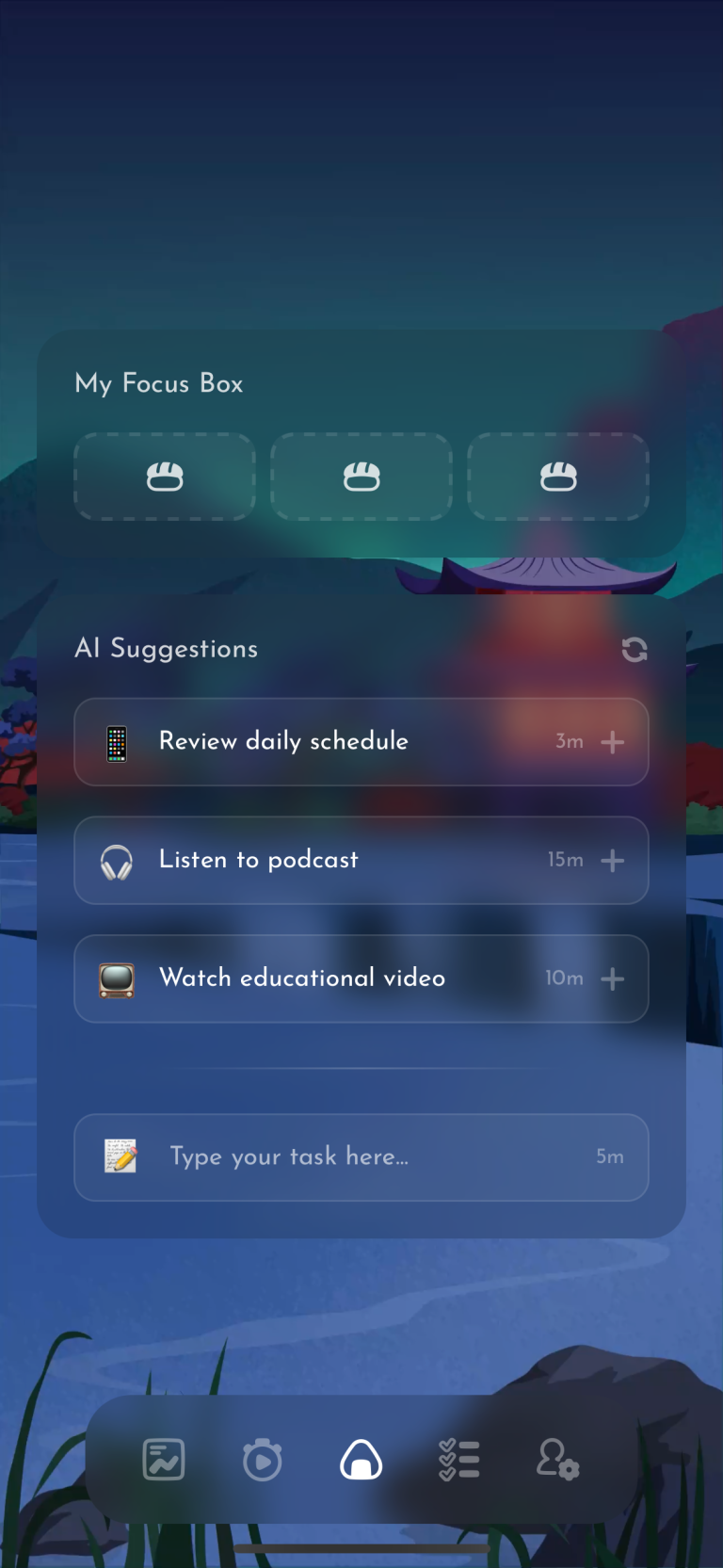
- Focus Techniques: Many applications offer useful tools such as timers and ambient sounds that help create a conducive work environment. For instance, using a focus timer can assist individuals in structuring their work periods according to the Pomodoro technique, enhancing productivity while allowing for necessary breaks.
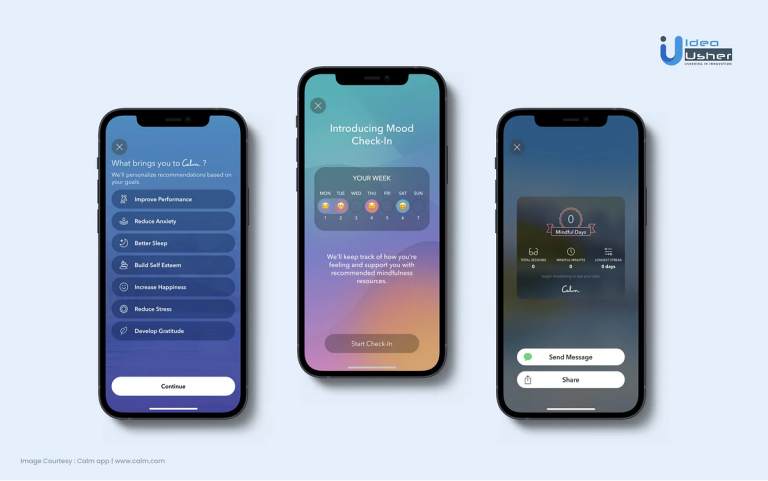
- Progress Tracking: Monitoring personal growth can be incredibly motivating. Apps that visually chart your journey not only encourage consistency but also allow users to celebrate milestones, no matter how small they might seem.
As the popularity of mindfulness apps increases across the United States, several noteworthy platforms have emerged, each catering to different preferences:
- Headspace: Renowned for its vibrant design and user-friendly interface, this app offers a wide range of meditation options and even has specific packs targeting issues like anxiety and sleep troubles.
- Calm: This app combines soothing music with guided meditations and bedtime stories, perfect for users seeking relaxation or improving sleep quality. It has also been endorsed by various celebrities, further increasing its visibility.
- Insight Timer: With its expansive library of free meditation tracks, Insight Timer provides something for everyone, featuring contributions from various meditation teachers around the globe. Users can explore countless meditation styles to find what resonates with them.
With more individuals turning to these apps as a resource for improving their emotional health, the evidence of their positive impact is becoming increasingly clear. In a society where stress and distractions frequently derail mental clarity, engaging with technology in a mindful manner not only enhances individual focus but also promotes a sustainable sense of balance.
The burgeoning field of digital mindfulness reminds us that while technology can certainly be a double-edged sword, it also possesses the capability to enrich our lives in substantial ways. As users explore these diverse apps, they embark on a journey that encourages personal reflection, emotional resilience, and ultimately, a healthier lifestyle amidst the chaos of the modern world.
DON’T MISS: Click here to learn about the crucial role of software updates in device security
Harnessing Technological Innovations for Mindfulness Practice
As the modern landscape of constant connectivity continues to evolve, the integration of technology in our daily lives presents both challenges and opportunities. The advent of mindfulness apps represents a promising frontier, aiming to harness technological advancements to counteract the persistent distractions we face. These applications serve as virtual companions, guiding users toward enhanced focus and stress relief.
Understanding how these apps function can empower users to maximize their benefits. Many mindfulness apps utilize principles from cognitive behavioral therapy (CBT) and mindfulness-based stress reduction (MBSR) to facilitate emotional well-being. By incorporating evidence-based techniques into their curricula, these platforms help users effectively manage anxiety, improve concentration, and cultivate a sense of peace within the often chaotic framework of daily routines.
The rapid growth of the mindfulness app market is reflected in user engagement statistics. As of 2023, over 25 million people in the United States have downloaded mindfulness and meditation apps. This number is expected to grow as increasing awareness of mental health issues presses individuals to seek out practical solutions. Surveys reveal that approximately 60% of users experience a tangible reduction in stress after just a few weeks of regular practice, marking a significant shift in personal well-being.
When exploring the variety of mindfulness apps available, users will find that not all platforms are created equal. Here are some key elements to consider when choosing the right app to enhance your mindfulness journey:
- Personalization: The best apps feature customizable programs that adapt to individual preferences and schedules. This allows users to create a tailored experience that resonates with their unique needs.
- Community Support: Some applications offer forums and social features that connect users with like-minded individuals. This sense of community fosters encouragement and accountability, enhancing motivation.
- Integration with Wearable Devices: Certain apps can sync with smartwatches and fitness trackers, allowing users to monitor their physiological responses during mindfulness sessions, making the practice more engaging and data-driven.
As users delve into a variety of applications, they are likely to discover a community of like-minded individuals, all dedicated to enhancing their mindfulness practices. This shared pursuit of emotional health reinforces the idea that personal growth is not a solitary endeavor but rather a collective journey.
While technology has often been criticized for perpetuating distractions, mindfulness apps represent a pivotal transformation in how individuals engage with their mental health. By incorporating concrete techniques into a digital framework, they create pathways for users to cultivate focus, reduce stress, and build a resilient mindset. Embracing these tools unveils the potential to reclaim control over mental well-being in a technology-saturated world.
Exploring Key Features of Mindfulness Apps
In today’s fast-paced world, integrating mindfulness into our daily routines through technology has become increasingly essential. Mindfulness apps combine innovative features aimed at enhancing focus and reducing stress, catering to diverse user needs. These apps are designed to help you cultivate mindfulness practices seamlessly within your busy schedule.
| Features | Benefits |
|---|---|
| Guided Meditations | Promotes deep relaxation and stress reduction |
| Focus Sessions | Enhances productivity and mental clarity |
| Mood Tracking | Encourages self-awareness and emotional regulation |
| Personalized Reminders | Keeps users engaged and committed to mindfulness practice |
The effectiveness of these apps lies not only in their features but also in their potential to transform the way we approach mental wellness. By incorporating mindfulness practices into your life, you can develop healthier coping mechanisms, leading to improved overall well-being. With continued interest in this intersection, the technology sector is committed to offering solutions that support mental health and mindfulness now more than ever.
DISCOVER MORE: Click here to learn about how software updates can extend your device’s life
The Transformative Power of Mindfulness Apps
As users continue to explore the landscape of mindfulness apps, it becomes evident that these tools do more than merely provide relaxation techniques; they also promote a holistic view of mental health and well-being. Many mindfulness applications now offer a rich array of features designed to address various aspects of users’ lives, helping them develop essential skills for maintaining focus and reducing stress.
One notable example is the integration of guided meditations. Many apps provide comprehensive libraries of guided sessions tailored for specific scenarios, such as “Mindful Mornings” to start the day with intention or “Midday Reset” sessions to recalibrate during a busy workday. Research indicates that just a few minutes of guided meditation can significantly improve attention span and emotional regulation, making such features essential for individuals seeking balance amid their hectic schedules.
Moreover, the rise of gamification within mindfulness apps is capturing the interest of users, particularly younger demographics. With features such as daily challenges, achievement badges, and progress tracking, apps such as Headspace and Insight Timer transform mindfulness practice into an interactive experience. This innovative approach actively engages users, encouraging them to establish and sustain healthy habits, thereby deepening their commitment to regular practice.
Additionally, some of the most advanced mindfulness apps harness artificial intelligence (AI) to provide personalized feedback and recommendations based on users’ behaviors and preferences. For instance, apps can analyze specific trends in a user’s mindfulness journey, such as identifying peak stress times, and suggest tailored practices for optimal results. This level of personalization not only enhances user experience but also fosters a greater understanding of one’s mental health patterns, empowering individuals to take proactive steps toward improvement.
The efficacy of mindfulness apps has not gone unnoticed by health professionals. A myriad of studies highlights their positive impact on reducing stress and enhancing mental clarity. A systematic review of 15 studies found that mobile mindfulness interventions can significantly lower psychological distress and improve emotional regulation. Such findings are critical, especially in a culture where mental health awareness is surging, fostering a societal shift toward seeking assistance through innovative, accessible means.
Along with innovation and community support, mindfulness apps are increasingly being integrated into corporate wellness programs. Companies like Google and Apple advocate for employee wellness through the inclusion of mindfulness resources within their work cultures. Many organizations have begun to recognize that promoting mindfulness not only enhances employee satisfaction but is also a strategic investment in productivity and overall company morale.
Furthermore, as remote work has become the norm for many, mindfulness apps serve as a vital resource in navigating the complexities of work-life balance. With mindfulness practices at their fingertips, employees can take brief pauses to reconnect with their breath, implement grounding techniques, or engage in quick meditation breaks—all of which can make a significant difference in maintaining focus and well-being throughout the workday.
In summary, the evolving landscape of mindfulness apps represents a unique convergence of technology and personal development. By embracing features such as guided meditations, gamification, and AI personalization, these applications can transform how users approach their mental health, ultimately encouraging a deeper connection with mindfulness practices in their daily lives.
DISCOVER MORE: Click here to learn how to automate your app updates
Final Thoughts on Mindfulness Apps
In an age where technology dominates our daily lives, it is reassuring to see the rise of mindfulness apps that provide innovative solutions to combat stress and enhance focus. These applications do not simply offer trendy techniques; they foster genuine personal growth and mental well-being, making them indispensable tools in today’s fast-paced world.
Through features like guided meditations, gamification, and advanced AI-driven personalization, users can cultivate a meaningful mindfulness practice tailored to their unique needs. This ability to engage with their mental health proactively leads to a more substantial understanding of their emotions and habits. As studies continue to affirm the efficacy of these apps in reducing psychological distress, more individuals are likely to embrace these tools as part of their wellness regimen.
Furthermore, the increasing incorporation of mindfulness applications into corporate wellness programs highlights their potential to reshape workplace cultures. Organizations recognizing the value of mental health resources can significantly enhance employee satisfaction and overall productivity. In a time when remote work presents its own challenges, these apps offer valuable support, allowing users to recalibrate throughout their workdays.
As you explore the world of mindfulness apps, consider how you can integrate their practices into your routine. Whether you are seeking to improve your focus or simply create moments of stillness in your busy life, these tools can serve as a critical ally in your journey towards mental clarity and emotional resilience. Embracing this synergy between mindfulness and technology may just lead you to a calmer, more centered existence.