
Transforming Spaces: Creative Ideas for a Minimalist and Functional Environment
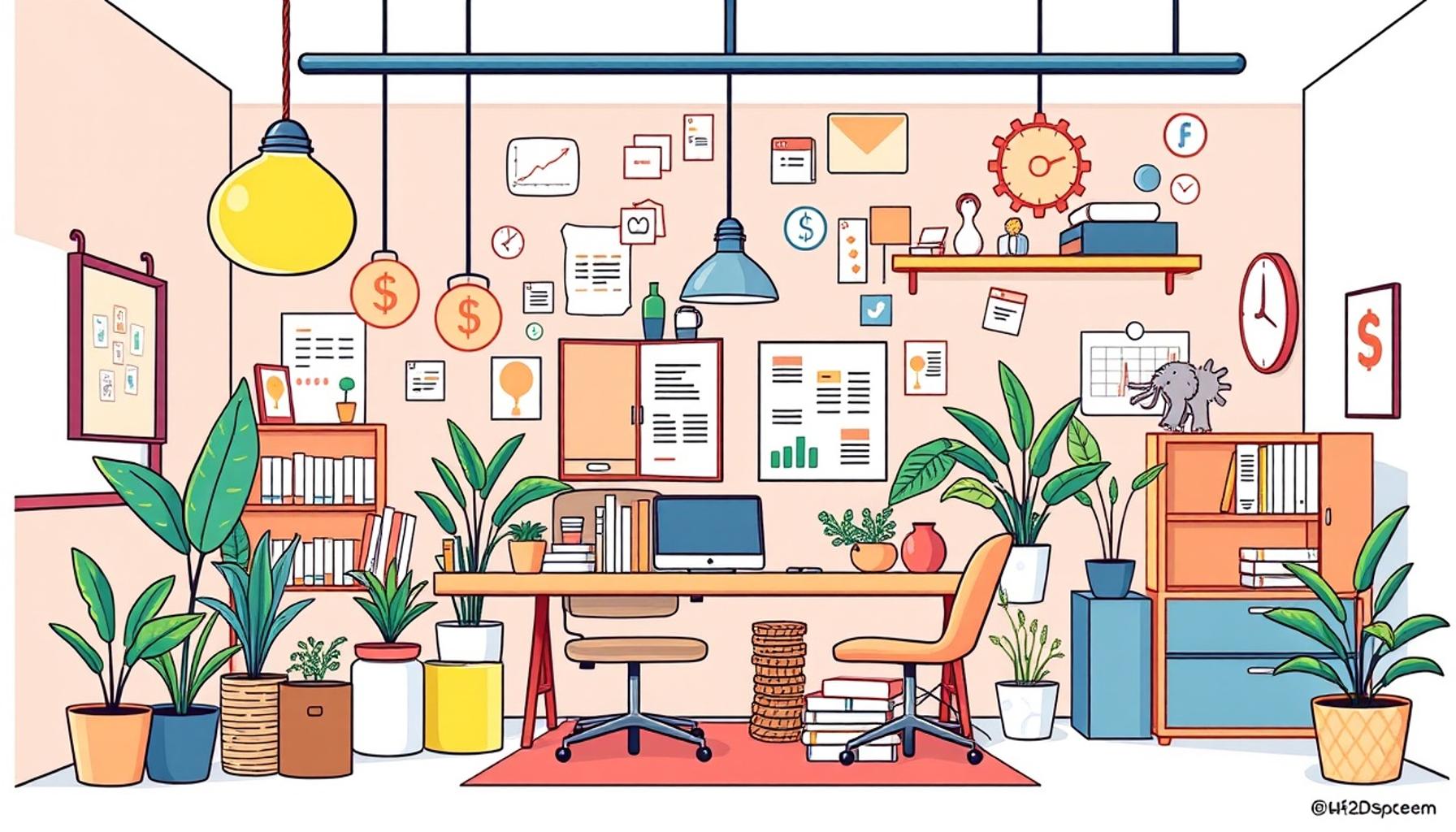
Embracing Minimalism for Functionality
In today’s fast-paced world, transforming spaces into a minimalist and functional environment is more crucial than ever. The clutter of daily life can easily overwhelm our personal sanctuaries, making it challenging to find focus and peace. Minimalism advocates for a lifestyle that removes excess, allowing individuals to prioritize aspects of life that genuinely contribute to their well-being. When implemented effectively, it can lead to profound improvements in mental clarity, productivity, and overall satisfaction.
Embracing minimalism allows individuals to reclaim their living areas and concentrate on what truly matters. For instance, adopting a minimalist approach can significantly alleviate stress caused by visual chaos, enabling a clearer mind and enhanced creativity. In practical terms, this could mean dedicating a specific corner of your home solely for relaxation or meditation—designated areas that invite tranquility and focus.
Key Elements of a Minimalist Space
To achieve a seamlessly functional atmosphere, consider integrating the following features:
- Decluttering: Removing excess items leads to a cleaner, more serene environment. Begin by evaluating your belongings, donating or discarding items that no longer serve a purpose. This act not only frees up physical space but also can be an emotionally liberating experience.
- Multi-functional furniture: Pieces like a sofa bed or a storage ottoman maximize usability. For example, an ottoman with hidden storage can efficiently house blankets or books, preventing unnecessary clutter while serving multiple functions.
- Neutral color palettes: Soft hues help maintain a calming atmosphere. Colors such as white, beige, or gentle pastels can elicit a sense of peace and spaciousness, making rooms feel larger and more inviting.
Along with these elements, thoughtful organization plays a crucial role in enhancing functionality. Ensure that spaces are designed to promote ease of movement and accessibility, providing both emotional and physical comfort. For instance, opt for open shelving in kitchens to not only display beautiful dishware but also make them more easily accessible when needed.
Innovative Design Ideas
As you embark on this transformation journey, explore creative ideas that reflect your unique style. Investigate options such as:
- Wall-mounted shelves: Perfect for displaying decor or books without taking up floor space. This approach allows for personalization while keeping surfaces clean and uncluttered.
- Sliding doors: Space-saving solutions that add a modern touch. These doors, often found in contemporary designs, can serve both function and style by seamlessly merging spaces without unnecessary intrusion.
- Natural light: Utilizing large windows or skylights to boost mood and energy. Ample natural light can enhance your environment, making it feel more open and encouraging a connection with the outdoors.
Incorporating these elements into your home not only ignites your creativity but also fosters a tranquil and organized sanctuary. By taking a minimalist approach, you may find that you are able to focus better, manage time more effectively, and even cultivate a more intentional lifestyle. Join us as we delve deeper into the world of minimalist design and its potential to reshape our environments, turning them into havens of peace amidst the chaos of modern life. Whether it’s a cozy apartment in New York City or a suburban home in Texas, the principles of minimalism can be adapted to suit any space, proving that less truly can be more.
Crafting Your Minimalist Vision
Creating a minimalist and functional environment begins with envisioning the kind of space you desire. This transformation isn’t merely about reducing clutter; it’s about adopting a mindset that values function over excess. A thoughtfully curated space embodies a sense of balance, allowing for both aesthetics and practicality to coexist harmoniously. To embark on this journey, it is essential to consider not just what to remove, but also how to thoughtfully integrate elements that enhance your living experience.
As you formulate this vision for your home, it’s crucial to maintain a clear understanding of your lifestyle needs. For instance, if you are an avid reader, consider designing a cozy reading nook that serves as a personal retreat from the day’s demands. Incorporating a well-placed bookshelf can provide storage while also showcasing your favorite volumes, marrying both decorative and functional aspects seamlessly.
Prioritize Functionality with Smart Solutions
Incorporating practical solutions into your minimalist design can significantly enhance the usability of any space. Here are some innovative strategies to consider:
- Built-in Storage: Utilize underutilized areas such as under staircases or along narrow hallways for built-in shelving or cabinets. This not only maximizes storage but also minimizes visual clutter by keeping items out of sight.
- Open Floor Plans: If renovations are within consideration, explore an open floor plan configuration. By removing unnecessary walls, you create a sense of flow and connectivity between spaces, enhancing functionality and fostering social interactions.
- Modular Furniture: Invest in modular furniture that can adapt to your changing needs. Pieces that can be easily reconfigured or moved allow for greater flexibility and keep your environment dynamic, catering to various activities throughout the day.
Additionally, establishing zones within a space can optimize functionality. Use area rugs to visually define spaces for different activities such as work, leisure, or dining, further promoting a sense of order and purpose. By delineating these zones, individuals can easily transition between different modes of activity without feeling overwhelmed by distractions.
The art of minimalism also encompasses the integration of personal touches. While the aim is to simplify, it is essential to incorporate meaningful decor that reflects your personality. A few strategically chosen pieces can bring warmth and character to an otherwise sparse environment, preventing the space from feeling cold or uninviting.
Investing in Quality over Quantity
Another vital aspect of adopting a minimalist lifestyle is shifting focus from quantity to quality. Opt for high-quality items that provide enduring functionality rather than temporary convenience. This principle applies not just to furniture, but also to materials and decor. For example, investing in a durable, stylish dining table can serve as a gathering place for years to come, reinforcing a sense of home without the need for frequent replacements.
Ultimately, transforming spaces into minimalist and functional environments calls for intentionality and creativity. By harmonizing functionality with personal expression, you create a setting that not only enhances your daily experience but also contributes to a more fulfilling lifestyle. As we continue to explore the world of minimalist design, you’ll discover additional strategies that can help you reshape your surroundings into a sanctuary of simplicity and purpose.
Transforming Spaces: Creative Ideas for a Minimalist and Functional Environment
As we dive deeper into the concept of a minimalist and functional environment, it is essential to understand how each element contributes to creating a cohesive and serene atmosphere. In a world cluttered with distractions, fostering a calm and spacious living area can enhance not only aesthetic appeal but also mental clarity and focus. This part explores practical and innovative ways to maximize functionality while maintaining simplicity. Let us illustrate this further through an insightful table of advantages that highlight the benefits of adopting such an approach in your living or working space.
| Advantage | Description |
|---|---|
| Enhanced Aesthetics | Minimalist design creates visually appealing spaces that appear larger and more organized. |
| Increased Functionality | Functional furniture maximizes space and simplifies daily tasks, promoting efficiency and ease of use. |
Incorporating these principles not only elevates the overall ambiance but also supports a lifestyle that prioritizes ease, efficiency, and tranquility. As you consider transforming your environment, think about how each component can contribute to this harmonious atmosphere. The integration of smart storage solutions, multifunctional furniture, and a refined color palette are just a few ways to embrace the minimalist philosophy.
Embracing Natural Elements
As we delve deeper into the art of transforming your spaces, one of the most impactful ways to enhance your minimalist environment is through the integration of natural elements. Biophilic design, which emphasizes the connection between nature and the built environment, can significantly improve your mood and well-being. Incorporating plants, natural light, and organic materials can create a serene atmosphere that aligns with minimalist principles while promoting a sense of tranquility.
Consider adding a few strategically placed indoor plants, such as succulents or snake plants, which require minimal care and help purify the air. Not only do they bring life into the space, but their presence also fosters a calming effect, reducing stress and enhancing productivity. To maximize their impact, choose decorative pots that complement your design, ensuring functionality merges seamlessly with aesthetics.
Utilizing Color Wisely
In a minimalist setting, the color palette plays a crucial role in defining the atmosphere of a space. Opting for a subdued or monochromatic palette can evoke a sense of calm and spaciousness. Shades of white, beige, and gray can enhance the flow of light and create an illusion of increased space, while occasional pops of color through artwork or accessories can add interest without overwhelming the senses.
Moreover, painting an accent wall in a soft, inviting hue can help define a specific area, such as a home office or reading nook, further promoting a functional environment. When choosing colors, consider the psychological effects they may have; for example, blue hues are known for their relaxing properties, while greens can evoke a refreshing and revitalizing energy.
Think Sustainable
As society increasingly emphasizes sustainability, infusing eco-friendly principles into your minimalist space not only benefits the planet but can also enhance functionality. Selecting furniture crafted from sustainable materials, such as bamboo or reclaimed wood, aligns with minimalist ideals by prioritizing quality over quantity and distinctiveness over excess.
Consider investing in timeless pieces that won’t quickly go out of style, reducing the need for replacement and minimizing waste. For instance, opting for a handcrafted coffee table or vintage chairs can lend character while contributing to the idea of mindfulness in purchasing decisions.
- Energy Efficiency: Implement energy-efficient appliances and lighting solutions, such as LED bulbs, which decrease energy usage and save on utility bills while supporting a minimalist approach through function and long-term savings.
- Upcycling Projects: Embrace creativity with upcycling projects that transform everyday items into functional decor. A simple wooden palette can become a unique coffee table or storage solution, combining practicality with eco-awareness.
By integrating these sustainability principles into your design, you cultivate not only a beautiful living space but also reflect a commitment to responsible living that aligns with a minimalist lifestyle.
Technology for Streamlined Living
In today’s fast-paced world, technology offers numerous solutions to streamline your daily activities, making it easier to maintain a minimalist environment. Smart home devices can enhance functionality, allowing you to control lighting, heating, or security systems from your smartphone, thereby minimizing clutter around switches and knobs.
Consider investing in smart speakers that also serve as hubs for other smart devices; they can play music, provide reminders, and control various functions around your home. Furthermore, establishing automated routines enables seamless transitions throughout your day, reducing the mental load of managing tasks and contributing to a peaceful, organized environment.
Ultimately, transforming your space into a minimalist and functional haven involves a thoughtful approach to every detail, from materials and design elements to the integration of technology. As you explore these creative strategies, you cultivate a lifestyle that not only nurtures your personal well-being but also enhances the overall harmony and efficiency of your home.
Conclusion
In conclusion, transforming spaces into minimalist and functional environments is not merely an aesthetic endeavor but a pathway to a more intentional and fulfilling lifestyle. By embracing natural elements, utilizing color wisely, and prioritizing sustainability, individuals can create serene and enjoyable atmospheres that reflect their values and enhance well-being. The integration of eco-friendly choices, such as renewable materials and energy-efficient solutions, underscores a commitment to responsible living while fostering creativity in everyday design.
Furthermore, leveraging modern technology opens doors to streamlined living, making it easier to manage daily activities and maintain an uncluttered environment. Smart devices not only simplify functionality but also contribute to a cohesive and harmonious home. As you embark on this journey of transformation, remember that every choice counts. It’s the cumulative effect of small details—from the furniture you select to the colors you choose—that shapes your overall experience and connection to your space.
As you refine and redefine your surroundings, remain open to experimentation and innovation. Consider how your newfound knowledge can influence your space and, by extension, your lifestyle. Through thoughtful design and mindful choices, you can elevate your home into a sanctuary that inspires tranquility, fosters creativity, and ultimately empowers you to embrace the art of minimalism. Explore these creative ideas, and witness how the transformation unfolds in your space and life.

Linda Carter is a writer and organization expert specializing in minimalism and personal organization. With extensive experience helping individuals create clutter-free, functional spaces and adopt mindful habits, Linda shares her knowledge on our platform. Her goal is to empower readers with practical advice and strategies to simplify their lives, stay organized, and achieve a sense of calm and balance in their daily routines.