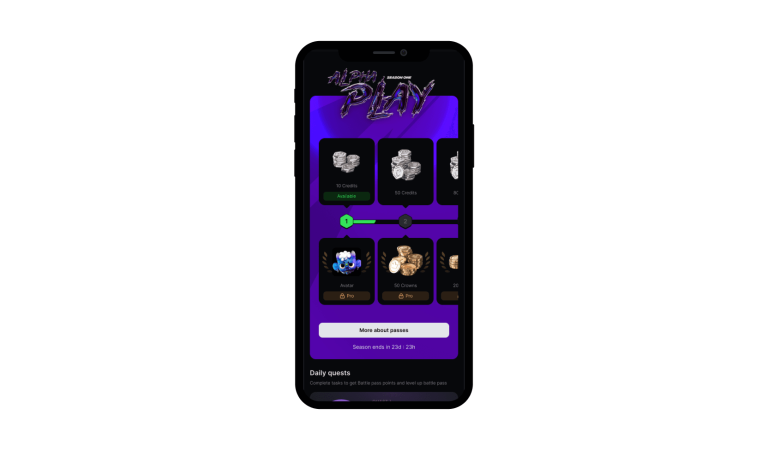
The Role of Visual Narrative in User Experience in Applications
Exploring the Essence of Visual Narrative
In the fast-paced world of digital applications, the role of visual narrative cannot be overstated. It serves as a key element that bridges the gap between functionality and emotion, enhancing user experience significantly. Visual narratives engage users, guiding them through their journey and making interactions more intuitive. As applications increasingly rely on captivating designs to stand out in a crowded market, understanding how to wield visual storytelling effectively becomes crucial for developers and designers alike.
Several core components contribute to crafting an effective visual narrative within applications. First, consider imagery. High-quality images can evoke a range of emotions, providing context and depth to the user’s journey. For instance, an health and wellness app might utilize vibrant images of active individuals engaged in workouts or meditation, evoking a sense of motivation and positivity. Such imagery can not only captivate users but also inspire action.
Color schemes also play a pivotal role in visual storytelling. Colors can trigger psychological responses and influence users’ decisions. For example, the color blue is often associated with trust and dependability, which is why many financial institutions choose it for their branding. An app designed for budgeting might implement various shades of blue to promote a sense of security and reliability, encouraging users to engage with financial tracking tools without hesitation.
Another important facet is typography. The choice of fonts does much more than affect readability; it can also establish a brand’s identity. For example, a sleek and modern sans-serif font might convey innovation and simplicity for a tech start-up app, while a playful, rounded font could suggest approachability for a children’s educational app. This subtlety in design can deepen the user’s connection to the application by aligning with their expectations and emotional responses.
Applications that master these elements can create a seamless experience. Users are more likely to engage with apps that provide an enriching narrative, leading to higher retention rates and satisfaction. An excellent example of this is the onboarding process in many popular apps like Duolingo or Slack, which use storytelling techniques to guide users. By presenting features in a narrative format, users can absorb information more easily, allowing them to hit the ground running.
This exploration into visual narrative illuminates its significance in shaping user perception and driving usability. As we unpack various strategies, the impact of these visual elements on user experience will become increasingly clear. Understanding these components can potentially revolutionize how applications are developed, ensuring that functionality is seamlessly paired with impactful storytelling. As you delve deeper into this field, consider how you can harness the power of visual narratives to enhance your own digital projects.
UNLOCK MORE INSIGHTS: Click here to learn how to conduct effective usability testing
The Impact of Visual Elements on User Engagement
Understanding the intricacies of visual narrative goes beyond mere aesthetics; it fundamentally shapes the way users interact with applications. At the heart of creating a positive user experience is a combination of visual elements that work together to tell a cohesive story. These elements—imagery, color schemes, typography, and iconography—contribute significantly to user engagement and satisfaction.
Imagery serves as a powerful storytelling tool, as compelling graphics can create an emotional connection with users. According to a study by the Visual Media Research Group, individuals remember 80% of what they see compared to just 20% of what they read. This principle is particularly relevant in applications where user attention is fleeting and competition is fierce. By integrating relatable and impactful visuals, apps can communicate their message effectively, urging users to take action. For example, travel apps often use stunning images of destinations that elicit feelings of wanderlust, effectively enticing users to book their next getaway.
Color can profoundly influence perception and behavior, making color psychology an essential aspect of application design. Research shows that color increases brand recognition by up to 80%, underscoring its power in shaping how users perceive an application. Here are a few common color associations:
- Red: Often associated with energy and urgency, making it effective for call-to-action buttons.
- Green: Represents health and tranquility, frequently used in wellness and environmental apps.
- Yellow: Evokes positivity and optimism, ideal for apps focused on learning or entertainment.
The use of typography can also greatly influence user experience by reinforcing brand identity and enhancing readability. The choice of typeface communicates subtle nuances about the application’s personality. For instance, a financial planning app likely opts for clean, legible fonts that convey trust and professionalism, while a fitness tracking app might use bold, dynamic fonts to mirror the energetic lifestyle it promotes.
A thoughtfully designed iconography adds another layer to the user experience, often serving to simplify complex information. Icons function as visual shortcuts that can create a more efficient interaction by reducing the cognitive load on users. For instance, familiar symbols like a magnifying glass for search or a heart for favorites make navigation straightforward, helping users achieve their objectives with minimal friction.
In summary, the effective integration of these visual elements cultivates an enriching user experience by fostering connection and accessibility. Applications that successfully deploy visual narratives not only captivate their audience but also enhance usability, leading to increased retention and user loyalty. As we continue to delve deeper into specific strategies and case studies, the profound implications of visual storytelling in application design will become ever more evident.
The Role of Visual Narrative in User Experience in Applications
In today’s digital landscape, applications have transcended mere functionality, evolving into platforms that tell compelling stories through visual narratives. This immersive technique not only captures users’ attention but also enhances their overall experience, guiding them through various interactions. A well-crafted visual narrative creates a seamless flow that fosters engagement, making users feel more connected to the content.
One of the most significant benefits of incorporating visual narratives into application design is the ability to simplify complex information. By using graphics, animations, and color schemes, designers can convey messages quickly and effectively, reducing cognitive overload. For instance, data visualization tools utilize infographics to present statistics in a digestible format, thereby enhancing user comprehension and retention.
Moreover, the emotional connection sparked by visual storytelling plays a pivotal role in shaping user perceptions. When users encounter relatable images or narratives, they are more likely to trust the application and develop loyalty towards it. This emotional engagement not only promotes user satisfaction but also encourages brand advocacy as users share their positive experiences with others.
Another essential aspect of visual narratives is their ability to guide users through processes. Onboarding experiences, in particular, benefit immensely from visual narratives. By demonstrating how to navigate an application through interactive visuals, users can learn quickly and efficiently, lowering the barrier to entry for new users. This leads to increased retention rates and heightened satisfaction as users feel competent and empowered when engaging with the app.
In conclusion, leveraging visual narratives is not just a trend but a vital aspect of user experience design that fosters engagement, simplifies information, and builds trust. Applications that harness this technique will likely stand out in a competitive market, ultimately leading to greater success.
| Advantage | Description |
|---|---|
| Enhanced User Engagement | Visual narratives captivate users, making them more invested in the application. |
| Simplified Communication | Graphics and visuals help convey complex information quickly, improving user comprehension. |
DISCOVER MORE: Click here to learn about effective usability testing
Visual Narrative: Guiding User Journeys
Beyond aesthetics, visual narratives play a pivotal role in guiding user journeys within applications. By crafting a clear and consistent storyline through visual cues, designers can create intuitive paths that help users navigate complex interfaces seamlessly. This narrative approach not only helps in conveying information more effectively but also enhances overall usability, making user interactions more delightful and impactful.
One of the most effective ways to communicate a visual narrative is through the use of progressive disclosure. This design technique involves presenting information incrementally, revealing essential details as the user progresses. Applications like LinkedIn exemplify this concept; they introduce users to various functionalities step by step, preventing overwhelm while fostering a sense of accomplishment. By strategically unveiling features with visual prompts and animations, such as onboarding screens that guide users through tasks, applications can cultivate a smoother user journey while encouraging exploration.
Animations serve as yet another critical component in visual narratives. They can breathe life into an application, offering feedback that confirms user actions or transitions smoothly between states, which contributes to a seamless experience. For instance, when a user sends a message within a chat application, a ripple or fade effect visually indicates that the message has successfully been dispatched. According to research from the Nielsen Norman Group, the use of animations in UI design reduces cognitive load, helping users understand and retain the application’s layout and functions more effectively.
Moreover, visual storytelling extends beyond individual user interactions; it can shape the overall narrative of an application. For example, fitness apps like MyFitnessPal utilize user-generated content to foster a sense of community through visuals. Users can share their fitness journeys and food logs accompanied by images, creating a rich tapestry of individual stories that inspire others. This sense of shared experience integrates visual elements that are not only engaging but also encourage users to remain active within the application, effectively increasing retention rates.
The alignment of a visual narrative with brand identity is also crucial. Applications that consistently project their brand through visual themes can cultivate familiarity and trust among users. Take Airbnb, for instance; their vibrant, candid images showcase real travelers in authentic settings, establishing emotional resonance with users while adhering to the brand’s core values of belonging and adventure. By maintaining a coherent visual narrative that reflects their identity, brands can enhance user experience and create loyalty.
The functionality of visual narrative is amplified by responsive design, which adapts the visual elements according to device and screen size. Applications that employ responsive design not only ensure usability across various platforms but also maintain the storytelling aspect, providing users an engaging experience regardless of the device they’re using. As more users pivot to mobile interfaces, integrating a responsive visual narrative becomes paramount for applications aimed at retaining audience engagement.
As experts in user experience design continuously explore the dimensions of visual narratives, it is clear that these elements are indispensable in shaping how users interact with applications. The potential to harness emotion, simplify complexity, and elevate brand recognition underscores the importance of well-crafted visual narratives in enhancing user experience and driving application success.
DISCOVER MORE: Click here to dive deeper
Conclusion: The Transformative Power of Visual Narratives
In an increasingly digital world, the significance of visual narratives in enhancing user experience within applications cannot be overstated. As we have explored, these narratives serve not only as tools for aesthetic appeal but as essential frameworks that guide users through their journeys. By leveraging techniques such as progressive disclosure and animations, designers can create interfaces that offer intuitive navigation and reduce cognitive overload, ultimately fostering a richer user experience.
The impact of visual storytelling transcends individual interactions. By fostering community and shared experiences, applications like MyFitnessPal illustrate the power of user-generated content in creating emotional connections, which are crucial for engagement and retention. Furthermore, consistent alignment with brand identity reinforces user trust and loyalty. Brands like Airbnb demonstrate that a coherent visual narrative can resonate deeply, transforming casual users into devoted advocates.
As user expectations shift toward seamless and enriching experiences, the integration of responsive design ensures that visual narratives remain accessible across varied devices and platforms. This adaptability allows applications to maintain engagement, regardless of how users connect. As we look to the future, it is vital for designers and developers to harness the potential of visual narratives, as they not only enhance usability and accessibility but also unlock the emotional resonance that can establish lifelong user relationships. Embracing this approach may very well be the key to success in the competitive landscape of application development.

Beatriz Johnson is a seasoned tech writer and digital tools expert with a passion for simplifying the complexities of technology and mobile applications. With over a decade of experience in the tech industry, she specializes in topics like productivity apps, software reviews, and emerging digital trends. Through her work, Beatriz empowers readers to make informed technology choices and stay ahead in the ever-changing world of apps and innovation.