The Influence of Accessibility on User Experience in Applications
The Importance of Accessibility in Modern Applications
The digital landscape is evolving rapidly, yet many applications still overlook a critical aspect: accessibility. With over 61 million adults in the United States living with disabilities, ensuring that applications are user-friendly for all is more important than ever. Ignoring accessibility can alienate a significant portion of the user base, impacting overall satisfaction and engagement.
To understand why accessibility matters, consider that accessibility features can include text-to-speech options, screen reader compatibility, and adjustable text sizes. These features are not merely add-ons; they are essential for ensuring that everyone, regardless of ability, can use digital products effectively. For instance, a visually impaired user relies on screen readers to interpret content, while individuals with motor disabilities may need customizable interfaces that allow for different navigation methods.
Applications that prioritize accessibility often see increased market reach and improved usability. By designing for a diverse audience, developers can tap into previously overlooked segments of the market, significantly expanding their user base. Furthermore, brands that demonstrate a commitment to inclusivity through accessible design often enjoy enhanced customer loyalty and trust.
Examples of accessible applications abound. Social media platforms like Facebook and Twitter have established a range of features to accommodate diverse user needs. Facebook, for instance, has implemented automatic alt text for images, allowing screen readers to describe what an image contains. This guarantees that visually impaired users can engage fully with content shared on the platform. Twitter, on the other hand, encourages users to add image descriptions, enhancing the overall accessibility of their tweets.
Enhancing User Experience Through Strategic Design
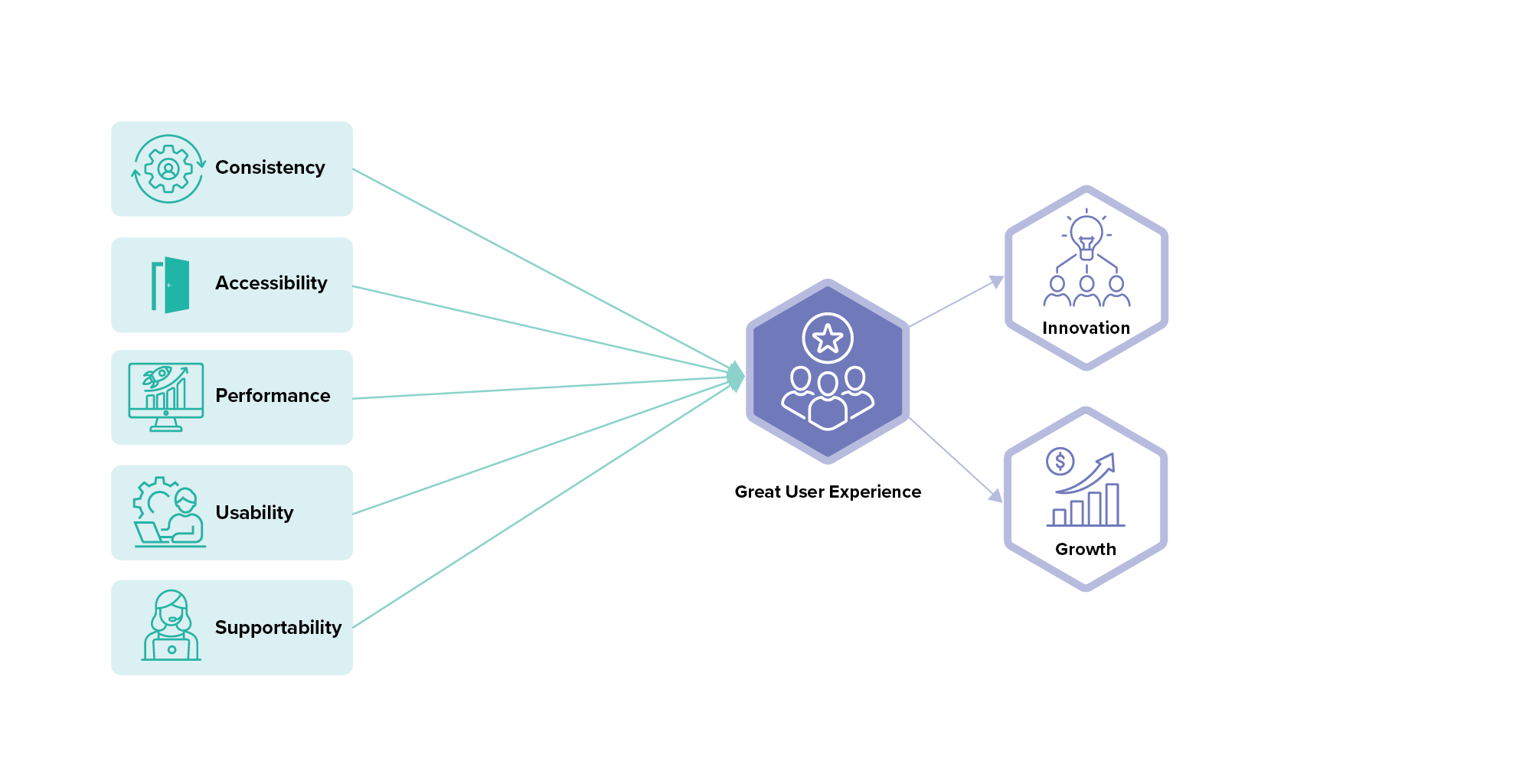
As we delve deeper into the influence of accessibility, it’s essential to understand how these elements affect user experience. The benefits of accessible design extend beyond mere compliance; they foster a sense of inclusivity and improve satisfaction for all users. Accessible design is fundamentally good design, benefiting everyone, not just those with disabilities.
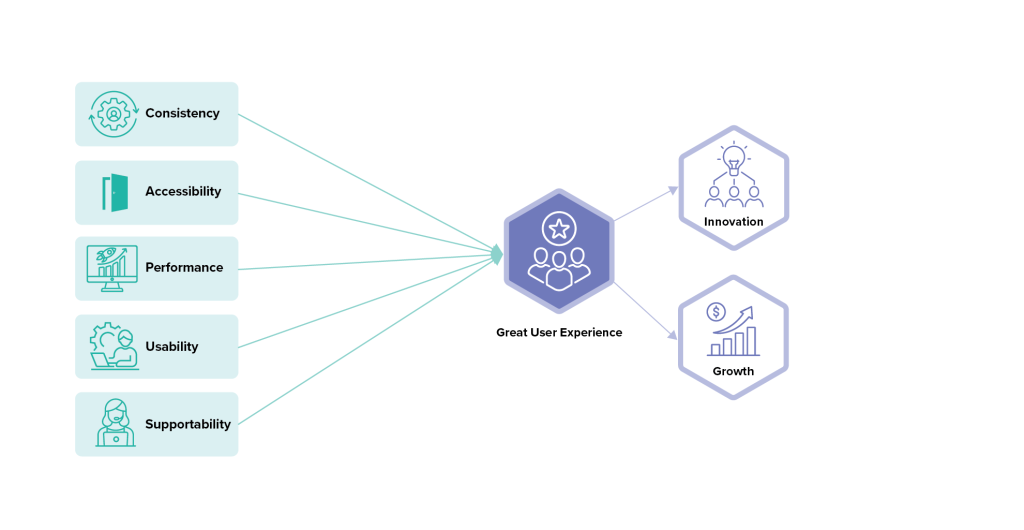
- Enhanced navigation through clear menus and labels can drastically improve usability. Intuitive navigation allows users to find what they need quickly, leading to a more satisfying user experience.
- Visual contrast and color choice that aids those with visual impairments is vital. High-contrast color schemes not only assist users with partial sight but also enhance readability for all users in varying lighting conditions.
- Testing applications with diverse users to identify potential barriers is crucial. Involving users of different abilities during the development process can reveal practical challenges that might be overlooked by developers who do not share those experiences.
Through this exploration, we aim to reveal the profound effects that accessibility has on user experience in applications, shifting the narrative towards a more inclusive digital environment for everyone. By prioritizing accessibility, we can transform the digital landscape into a space that welcomes and empowers all users, not just the majority. The journey towards making our digital experiences accessible is ongoing, but the benefits of inclusivity are undeniable and profoundly impactful.
DISCOVER MORE: Click here to learn about effective usability testing
How Accessibility Shapes User Engagement
As technology continues to permeate every facet of life, the importance of accessibility in applications cannot be overstated. The user experience is pivotal in determining whether individuals will engage with an app repeatedly or abandon it after a single use. Accessibility features directly influence this experience, creating pathways for more inclusive interaction. By implementing accessibility best practices, developers are not only adhering to legal requirements, such as the Americans with Disabilities Act (ADA), but they are also enhancing usability for everyone.
Consider the implications of application design on individuals with disabilities. For instance, a significant percentage of users experiencing hearing loss may find that apps lacking captions or transcripts are frustrating or inaccessible. In contrast, those with cognitive disabilities might struggle with overly complex interfaces. By catering to these audiences through thoughtful design, applications can transform challenges into opportunities, fostering a smoother user journey.
Effective accessibility design can enhance user experience in several critical ways:
- Improved satisfaction: Users who benefit from accessibility features often report higher satisfaction levels. When a user can engage fully with an application without encountering barriers, it fosters a sense of accomplishment and usability.
- Increased retention: Accessible applications are more likely to retain users. A positive experience leads to repeated interactions, which in turn boosts user loyalty. Studies show that a well-designed application can lead to a 28% increase in user retention.
- Broader audience reach: By considering accessibility during the design phase, developers can appeal to a broader audience, ultimately driving higher traffic and engagement rates. This can significantly impact overall success, especially in an age where inclusivity is highly valued by consumers.
Moreover, the design landscape is shifting toward universal design principles, focusing on creating applications that are usable by all individuals, regardless of their abilities. This shift benefits every user: a simplified interface can help those with cognitive disabilities as well as users who may be unfamiliar with technology. Accessibility features not only accommodate unique needs but also streamline experiences, generating a more harmonious interaction for all.
The integration of accessibility into application design also promotes innovation. Developers are challenged to think creatively about how to solve potential pain points for users. This necessity for creative problem-solving often yields groundbreaking solutions that enhance functionality for everyone, thus illustrating how accessibility positively influences user experience.
Access to information and services is a tenet of modern society, and by ensuring that digital applications are accessible, we not only abide by ethical responsibility but also cater to a diverse and expansive audience. As we continue exploring these influences, it is clear that prioritizing accessibility in application design is not merely a trend; it is an imperative that shapes the future of user interaction.
The Influence of Accessibility on User Experience in Applications
Accessibility in applications is a critical aspect that significantly enhances user experience. As technology evolves, it becomes increasingly important to ensure that all users, regardless of their abilities, can interact with applications seamlessly. The impact of accessibility can be observed in various dimensions, such as user satisfaction, engagement, and retention. Not only does it broaden the reach of applications to a diverse audience, but it also fosters inclusivity, allowing individuals with disabilities to fully participate in the digital environment.
For example, features like voice commands, screen readers, and text-to-speech functionality play a vital role in making applications more accessible. These tools allow users with visual impairments to navigate and interact with content effectively. Moreover, applications that prioritize accessibility can see improved performance metrics, as they cater to a wider demographic, including older adults and individuals with disabilities who might otherwise be excluded.
As developers and designers increasingly recognize the importance of accessibility, it becomes crucial to integrate best practices from the onset. Some of these practices include color contrast considerations for users with visual impairments, keyboard navigation systems for those who cannot use a mouse, and clear, concise language that aids comprehension. By focusing on these aspects, applications not only comply with regulations but also create a more welcoming environment for users.
| Category | Details |
|---|---|
| Enhanced Usability | Applications become usable for all, regardless of ability, improving overall interaction. |
| Broader Audience Reach | By including accessibility features, applications can attract users from diverse backgrounds. |
Furthermore, the integration of accessibility features can lead to better customer loyalty. Users are more likely to stay loyal to a brand that demonstrates an understanding of and commitment to accessibility. As the conversation around diversity and inclusion gathers momentum, businesses that prioritize these values stand to benefit from a positive brand image and improved user trust. Thus, the influence of accessibility transcends mere compliance; it’s about creating meaningful experiences that resonate with users.
DISCOVER MORE: Click here to learn effective usability testing techniques
The Economic Impact of Accessibility on Application Success
The relationship between accessibility and user experience goes beyond user satisfaction and retention; it also extends to the financial metrics that define a business’s success. In an increasingly competitive marketplace, where apps vie for every download, ensuring accessibility can be a decisive factor in a consumer’s choice. Research indicates that companies that prioritize accessibility in their applications often see significant improvements in their bottom line.
According to a report from the Accenture Accessibility and Disability Inclusion study, firms that invest in accessible technologies can generate up to 28% higher revenue than those that do not. This intriguing statistic sheds light on how enhancing the user experience through accessibility can create a competitive edge. Accessible applications not only tap into the burgeoning population of users with disabilities, which the World Health Organization estimates to be over one billion globally, but they also cater to the preferences of non-disabled users who favor inclusive practices.
Additionally, with the rise of mobile and web applications, the landscape of user expectations is changing. Users now anticipate seamless experiences that accommodate a variety of needs. The Web Content Accessibility Guidelines (WCAG) serve as a globally recognized framework for creating applications that are not only functional but also inclusive. Adhering to these guidelines can increase an app’s performance in terms of search engine optimization (SEO), as search engines increasingly favor websites that provide a better user experience across diverse demographics.
Moreover, accessibility can significantly reduce legal risk. App developers who overlook accessibility features may face lawsuits or governmental scrutiny, particularly as more state and federal regulations enforce digital accessibility. For instance, in the U.S., the Department of Justice has intensified its focus on ensuring that digital platforms adhere to ADA standards. The financial implications of legal disputes can be detrimental to companies, making it economically prudent to prioritize accessibility from the outset of the design process.
Accessibility also fosters community loyalty and brand reputation. A company that actively promotes an inclusive approach can cultivate a dedicated user base, translating into advocacy and word-of-mouth promotion, which are invaluable assets in the current digital landscape. A survey conducted by the National Organization on Disability found that nearly 60% of those with disabilities will recommend businesses that demonstrate a commitment to accessibility. This trend demonstrates the power of consumer loyalty, encouraging businesses to view accessibility not just as a requirement, but as a strategic advantage.
Taking a closer look at innovative accessibility tools, developments such as voice recognition for visually impaired users and real-time feedback mechanisms for users with cognitive impairments exemplify the avenues through which enhanced user experience can be achieved. By incorporating features like text-to-speech and customizable interfaces, applications can accommodate a broad spectrum of user preferences, thereby fostering engagement and inclusivity.
The investment in accessible applications acts as a clear signal to the market about a brand’s values. With the shift towards inclusivity ranks high on the consumer’s priority list, companies that embrace accessibility may find themselves at the forefront of the evolving digital economy. Consequently, as this dialogue unfolds, it further illuminates how prioritizing accessibility is essential—not just ethically, but also economically—for the contemporary application landscape.
DIVE DEEPER: Click here to learn more about effective usability testing
Conclusion: Embracing Accessibility for a Brighter Digital Future
As we navigate an increasingly digital landscape, the significance of accessibility in applications is clearer than ever. The interplay between accessibility and user experience not only shapes individual interactions but also determines the long-term viability of businesses. Companies that commit to accessibility are not merely fulfilling a regulatory obligation; they are strategically positioning themselves for enhanced market performance, customer loyalty, and brand reputation.
With over one billion people globally identified as living with disabilities, the potential pool of users is vast. Tapping into this demographic through inclusively designed applications can yield profound economic benefits, as companies witness revenue growth and increased market share. Moreover, embracing the Web Content Accessibility Guidelines (WCAG) facilitates not just compliance, but also better overall user experience, ensuring apps are optimized for search engines and different user needs.
In light of legal risks associated with accessibility oversight and the growing expectations of users, the choice to prioritize inclusivity is more than ethical. It is a business imperative. Organizations that successfully integrate accessibility into their design processes send a clear message about their values, fostering deeper connections with consumers who appreciate socially responsible practices.
In conclusion, the conversation around accessibility in applications is not just about meeting existing needs; it’s about paving the way for innovation and adaptability in an ever-evolving digital world. By championing accessibility, companies are not only enriching user experiences but also embarking on a journey toward a more inclusive and successful future.

Beatriz Johnson is a seasoned tech writer and digital tools expert with a passion for simplifying the complexities of technology and mobile applications. With over a decade of experience in the tech industry, she specializes in topics like productivity apps, software reviews, and emerging digital trends. Through her work, Beatriz empowers readers to make informed technology choices and stay ahead in the ever-changing world of apps and innovation.