
The Importance of Lighting in Spatial Efficiency: Transforming Environments with Minimalism
Understanding the Role of Lighting in Urban Spaces
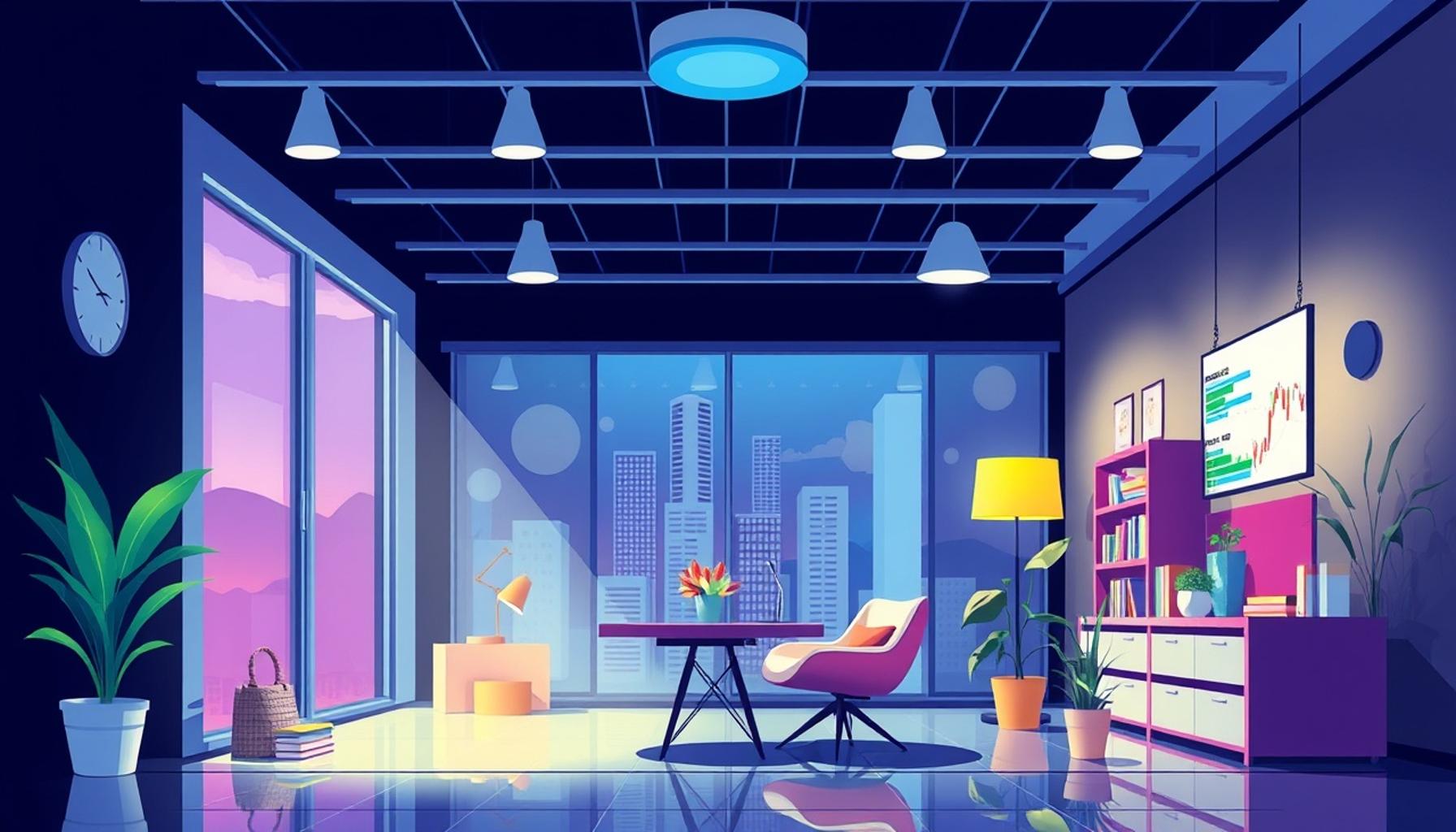
As cities evolve, the significance of spatial efficiency cannot be overstated. One effective way to enhance this efficiency is through thoughtful lighting design. The way we light a space profoundly influences not only its appearance but also how we experience it. Lighting sets the mood, enhances functionality, and can even bring a sense of calm to bustling urban environments.
For instance, natural light is a powerful tool in creating an illusion of spaciousness. Large windows or skylights in offices and homes can make smaller areas feel more open and welcoming. A study conducted by the Cornell University found that workplaces flooded with natural light can increase productivity by up to 15%. In contrast, spaces lacking adequate natural light may seem trapped and uninviting, leading to decreased motivation and well-being among occupants.
Artificial lighting also plays a critical role in enhancing workplace productivity. Studies suggest that well-designed office lighting, which includes adjustable desk lamps and overhead LED fixtures, can improve focus and creativity. Companies are increasingly investing in energy-efficient lighting systems like LEDs and smart lighting controls to reduce operational costs while also benefiting the environment. According to the U.S. Department of Energy, LED lighting can last up to 25 times longer than traditional incandescent bulbs, which translates to less frequent replacements and substantial energy savings.
Minimalism and Lighting: A Perfect Match
In modern design, minimalist aesthetics aim to declutter spaces, focusing on essential elements. The strategic use of lighting complements these designs beautifully. For example, the use of wall-mounted sconces or strategically placed floor lamps can eliminate the need for bulky furniture while enhancing ambient light. This approach not only creates a serene environment but also draws attention to the architectural features of a space.
- The elimination of clutter in minimalist designs is crucial. Coupling this simplicity with effective lighting strategies transforms spaces into tranquil retreats.
- Lighting can highlight key architectural features, such as exposed beams or textured walls, adding depth and character without overwhelming a room.
- With an emphasis on sustainability, energy-efficient lighting supports eco-friendly practices by minimizing electricity usage, ultimately contributing to lower carbon footprints.
As we continue to explore the intricate relationship between lighting and spatial efficiency, it becomes clear that how we illuminate our environments can redefine our experience of living and working in urban settings. The following sections will unveil innovative technologies and inspiring case studies from across the United States. Prepare to uncover how intelligent lighting solutions not only serve functional purposes but also sculpt the very essence of our surroundings, leading us toward a future of enhanced efficiency and well-being.
The Impact of Intelligent Lighting on Space Utilization
As urban areas continue to grow and evolve, the challenge of maximizing spatial efficiency has never been more critical. One of the most significant yet often overlooked aspects of this challenge is the role of intelligent lighting. Effective lighting design can transform the perception and functionality of a space, allowing for a more productive and pleasant environment. Utilizing a blend of natural and artificial lighting not only enhances aesthetic appeal but also improves spatial awareness and usage.
Recent studies highlight the profound effects of lighting on human behavior and productivity. Research from the University of Texas reveals that workplaces utilizing a combination of natural light and adjustable artificial lighting report a 20% increase in employee engagement. This statistic underscores the necessity of incorporating flexible and adaptive lighting solutions in contemporary designs, especially in offices where creativity and collaboration are paramount.
Lighting Strategies for Enhanced Spatial Efficiency
Implementing a robust lighting strategy entails more than choosing the right fixtures; it involves understanding how light interacts with the space itself. Here are key approaches to consider:
- Layered Lighting: Combining ambient, task, and accent lighting allows for versatility in meeting various needs throughout the day. This multifaceted approach can transform a cramped office into an inviting, functional space.
- Motion Sensors: Automated lighting systems equipped with motion sensors can significantly reduce energy consumption in underutilized spaces. This technology not only promotes sustainability but also enhances safety in darker, less visited areas.
- Dimmer Switches: The use of dimmers allows occupants to adjust lighting levels based on their preferences. This simple yet effective addition offers both energy savings and the ability to create a more personalized environment.
In minimalist design, where every element is carefully selected, effective lighting can serve as both a functional requirement and a statement of style. It softens hard edges and contributes to the overall tranquility of a minimalist space. For instance, using soft white LED bulbs can help create a warm atmosphere, mitigating the harshness often associated with modern, stark environments.
Perhaps one of the most compelling aspects of leveraging lighting in spatial efficiency is its contribution to psychological well-being. A well-lit environment can reduce feelings of isolation and stress, fostering an improved sense of community in shared urban spaces. As cities continue to grapple with challenges such as overpopulation and reduced green spaces, integrating thoughtful lighting designs will play a crucial role in reshaping how we experience our surroundings.
In summary, lighting serves as a vital element in the quest for improved spatial efficiency, especially when combined with minimalist design principles. By transforming environments through intentional lighting choices, urban planners and designers can create spaces that are not only functional but also enhance the overall quality of life for their inhabitants.
The Role of Natural Lighting in Spatial Efficiency
Natural lighting not only enhances the beauty of a space but also elevates its functionality. When utilized effectively, natural light can create the illusion of a larger area, aiding in spatial efficiency. Homes and offices that embrace large windows or skylights feel expansive and welcoming. This design choice aligns with the principles of minimalism, promoting a cleaner, clutter-free environment that feels open and airy.
Impact of Artificial Lighting on Productivity
Moreover, the choice of artificial lighting plays a crucial role in environments designed for productivity. The right lighting can significantly influence mood and focus, making it essential for workspaces. For instance, cooler-toned lights can increase alertness while warmer tones may foster relaxation. A well-lit space can also enhance spatial perception, allowing for more organized layouts, which meets the modern demand for functional living and working spaces.
| Category | Description |
|---|---|
| Natural Lighting | Enhances spatial perception and promotes a sense of openness while reducing reliance on artificial sources. |
| Artificial Lighting | Influences mood and productivity, allowing for a more functional and visually appealing space. |
Minimalist Lighting Design
The concept of minimalist lighting design focuses on simplicity and functionality. By selecting lighting fixtures that complement a minimalist aesthetic, such as geometric shapes or subdued color palettes, one can create a harmonious balance. The strategic placement of lighting fixtures can draw attention to specific areas, creating impactful visual focal points while preserving the clean lines typical of minimalism.
Conclusion
As we navigate through various environments, the importance of lighting becomes increasingly evident. It plays a vital role in shaping our perceptions of space, which is crucial in the pursuit of efficient and minimalist designs. Embracing both natural and artificial lighting can transform environments into adaptable and inspiring places.
Innovative Uses of Lighting Technology in Minimalist Spaces
The integration of advanced lighting technologies continues to revolutionize how we conceive and manipulate space. In the realm of minimalist design, where every square foot is precious, deploying innovative lighting solutions can significantly enhance both functionality and aesthetics. Emerging trends in lighting technology provide new tools for maximizing spatial efficiency while maintaining a serene and uncluttered environment.
Smart Lighting Systems
One innovative advancement in lighting is the rise of smart lighting systems. These systems allow users to control brightness, color, and timing through mobile applications or voice commands, promoting a personalized and adaptable space. According to a report by the Consumer Technology Association, over 31% of American households now utilize smart home technology, including smart lighting, reflecting a growing trend toward creating more responsive living environments. For instance, in a minimalist apartment, changing the hue from a bright white to a warm yellow during the evening can create a cozy and inviting atmosphere, simultaneously promoting relaxation and health.
Daylight Harvesting
Another breakthrough in the field of lighting is daylight harvesting. This technique involves the strategic placement of windows and skylights to optimize natural light utilization, thereby reducing reliance on artificial lighting during the day. Incorporating daylight sensors that adjust interior lighting based on natural light levels further enhances energy efficiency. A study by the U.S. Department of Energy found that buildings designed with daylight harvesting strategies showed up to a 30% reduction in energy costs. In minimalist spaces, where natural elements are often prioritized, daylight harvesting not only conserves energy but enriches the atmosphere, making it a prime candidate for sustainable design.
Adaptive Lighting for Different Activities
Adaptive lighting is another important aspect in enhancing spatial efficiency. This approach tailors lighting to suit various tasks, from work to leisure, all within the same environment. With the introduction of high-quality LED technology, the ability to switch light intensity or color temperature on demand has become feasible. For example, an area used for reading may benefit from a bright, focused light, while a space for relaxation could be illuminated with softer, warmer tones. By aligning lighting characteristics with specific activities, designers can facilitate a seamless flow between different uses of a space, thus making minimalist environments multifaceted.
Visual and Spatial Illusions
Lighting also plays a crucial role in shaping perceptions of space. The strategic use of shadows and highlights can alter how a room is viewed, making it appear larger or more open. By placing lights in the right positions, designers can create visual depth and texture, which enhances the minimalist ethos where simplicity is key. For instance, uplighting can make ceilings seem higher, while wall grazing can add dimension to flat surfaces. This method becomes especially pertinent in small urban apartments, where creating the illusion of space can dramatically improve the living experience.
As we explore the potential of lighting in minimalist environments, it becomes evident that this element not only serves an aesthetic purpose but also holds the power to affect functionality, sustainability, and emotional well-being. By adopting innovative lighting strategies, urban developers and home designers can pave the way for transformational changes that optimize spatial efficiency in our increasingly compact world.
Conclusion
In today’s rapidly evolving urban landscape, the importance of lighting in spatial efficiency cannot be overstated. As we venture into an era that champions minimalist design, effective lighting solutions emerge as essential tools for transforming environments. From smart lighting systems that provide adaptability to daylight harvesting strategies that embrace natural illumination, these innovations redefine how we perceive and utilize space. By accommodating various activities through adaptive lighting, interiors are more than just livable; they become dynamic ecosystems that cater to our daily needs.
The interplay of light and shadow enhances our perception of dimensions, making even the coziest urban apartments feel expansive. As research highlights, buildings leveraging energy-efficient lighting techniques can significantly decrease energy costs, allowing designers to promote sustainability without sacrificing aesthetics. Furthermore, the psychological benefits of thoughtfully designed lighting—cultivating serenity, focus, and emotional well-being—underscore its role beyond mere functionality.
Thus, as architects and interior designers continue to embrace minimalist principles, the pivotal role of lighting must remain at the forefront of discussions. As we rethink our spaces, let us explore the transformative power of lighting to not only enhance spatial efficiency but also elevate our everyday experiences. In this quest, innovation and creativity can converge, leading to a future where our environments are as efficient, inviting, and harmonious as we envision.

Linda Carter is a writer and organization expert specializing in minimalism and personal organization. With extensive experience helping individuals create clutter-free, functional spaces and adopt mindful habits, Linda shares her knowledge on our platform. Her goal is to empower readers with practical advice and strategies to simplify their lives, stay organized, and achieve a sense of calm and balance in their daily routines.