The Importance of Accessibility in User Experience in Digital Technologies
The Essential Role of Accessibility in Digital Technologies
In the ever-evolving world of digital technology, accessibility has emerged as a core principle that underpins effective user experience (UX). The concept of accessibility extends beyond mere compliance with guidelines; it embodies the commitment to ensuring that everyone, regardless of their abilities or disabilities, can interact with digital platforms seamlessly. As we move deeper into an age where technology permeates every aspect of our lives—from education to shopping, and beyond—it’s crucial to underscore the profound impact that accessibility can have on user satisfaction and inclusivity.
One of the most striking elements that highlights the importance of accessibility is its role in fostering inclusivity. Ensuring that individuals with disabilities can engage with digital content empowers this demographic, providing them with equal opportunities to participate in society. For instance, screen readers offer visually impaired users the ability to navigate websites by converting text into speech, thus granting them access to information that would otherwise be out of reach.
Another critical aspect of accessibility is legal compliance. Laws such as the Americans with Disabilities Act (ADA) set forth standards that mandate equitable access to digital services. Non-compliance can lead to legal ramifications and fines, and more importantly, it can alienate a significant segment of the population. As of recent studies, approximately 1 in 4 adults in the U.S. have a disability, representing a large and often overlooked audience that should influence digital design and functionality.
Moreover, accessibility leads to a broader audience and, consequently, increased market potential. Businesses that prioritize accessibility tend to attract a more diverse user base, which can enhance customer loyalty. For example, companies like Microsoft and Apple have embraced inclusive design, creating products that cater to a wide range of abilities. This not only fulfills ethical obligations but also manifests in improved brand loyalty and positive user experiences.
As society further integrates digital solutions for communication, commerce, and entertainment, the prioritization of accessibility in UX design becomes indispensable. By adopting these principles, developers and designers create digital environments that not only comply with legal standards but also cultivate a sense of belonging among users. Embracing accessibility stimulates innovation and sets a benchmark for excellence in the digital landscape, ensuring that no one is left behind in this digital revolution.
LEARN MORE: Click here to dive deeper
Breaking Down Barriers: The Impact of Accessibility on User Experience
As the digital landscape continues to expand, accessibility becomes not just a consideration but an essential component of the user experience (UX). The aim is simple: to create an environment where all users, including those with disabilities, can easily navigate, comprehend, and engage with digital technologies. To truly grasp the importance of accessibility, it is crucial to examine how it influences various aspects of UX design.
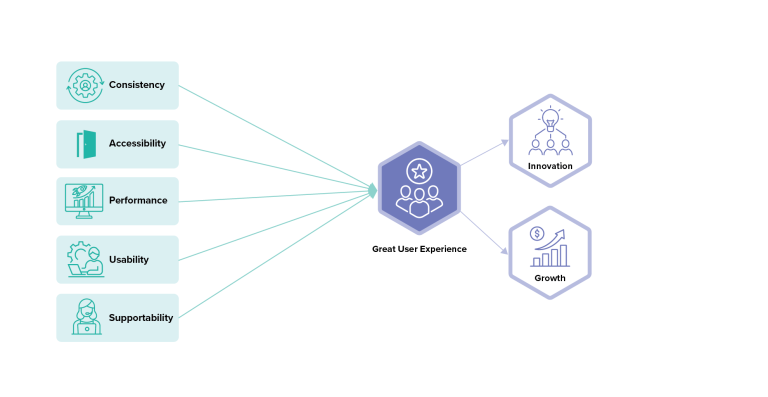
One of the most significant benefits of integrating accessibility into digital platforms is the enhancement of usability for everyone, not merely those with disabilities. By implementing features like text resizing, alternative text for images, and intuitive navigation, companies can create a more user-friendly experience. This enhancement is beneficial for a broad audience, including the aging population, individuals with temporary injuries, and even general users who appreciate uncomplicated interfaces. In fact, studies have demonstrated that businesses with accessible designs often see increased user satisfaction rates—an important metric in an age where consumer feedback can make or break a brand.
To better illustrate the importance of accessibility, let’s explore a few key features that can make a significant difference:
- Keyboard Navigation: Many users rely on keyboard shortcuts to access content. Design that prioritizes this feature ensures those who cannot use a mouse still have seamless navigation.
- Color Contrast: High contrast ratios between text and background not only aid visually impaired users but also enhance readability for all users, particularly in outdoor or brightly lit environments.
- Responsive Design: Ensuring that websites function optimally on various devices, including smartphones and tablets, caters to users on the go, who may utilize assistive technologies.
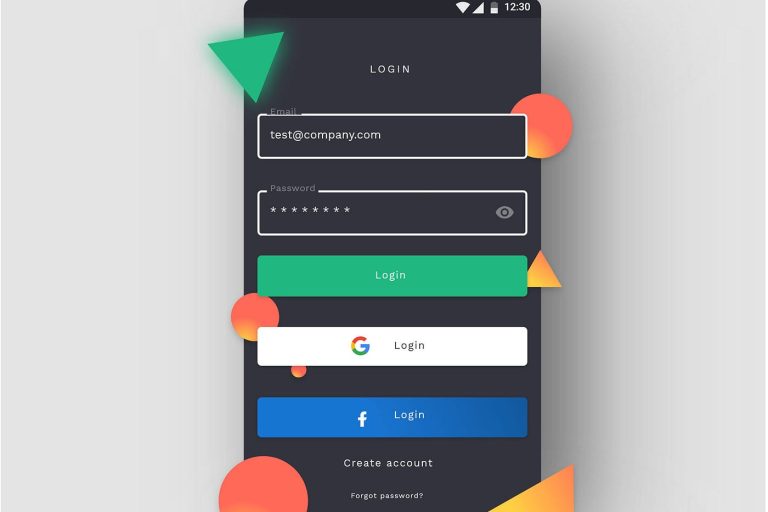
- Accessible Forms: Clear labeling and appropriate use of error messages in forms make it easier for all users to participate in digital activities, from signing up for newsletters to making purchases.
Another compelling reason to prioritize accessibility is its correlation with search engine optimization (SEO). Many accessibility features align harmoniously with SEO best practices. For example, using descriptive alt text for images not only benefits those using screen readers but also aids in image indexing by search engines. Thus, making your digital platform accessible isn’t merely a good deed; it can drive more organic traffic to your site, enhancing your overall reach.
In the United States, where approximately 61 million adults live with a disability, the market for accessible digital technologies is significant. Yet, many websites still fall short, limiting access for a vast portion of potential users. The digital divide is stark, but the inclusion of accessibility can turn these barriers into bridges. The proactive design of accessible digital platforms not only influences user experience positively but cultivates a more inclusive environment that recognizes and values diversity.
As we forge ahead in a technologically driven society, it’s essential to recognize that accessibility in user experience is not merely a compliance issue but an opportunity for innovation and connection. By prioritizing accessibility, developers and designers can create experiences that are not only effective but enriching for all users, setting a new standard for excellence in the digital age.
The Importance of Accessibility in User Experience in Digital Technologies
Accessibility in digital technologies is not merely a compliance issue; it is a fundamental aspect of user experience that enhances the reach and effectiveness of digital products. Catering to individuals with disabilities fosters an inclusive environment, allowing everyone to fully engage with content and interact online.
When digital platforms embrace accessibility, they not only guarantee equal access but also improve their overall usability. This echoes across different age groups and demographics, meaning a wider audience can navigate and benefit from services without barriers. Studies reveal that approximately 15% of the world’s population experiences some form of disability, underscoring the urgency of integrating accessibility features into user design principles.
Moreover, websites and applications that prioritize accessibility tend to enjoy enhanced SEO benefits. Search engines favor sites that are user-friendly, which includes those equipped with features like alternative text for images, easy navigation, and clear structure. This creates a dual advantage: a better experience for users with disabilities while improving search engine rankings for the creators.
Incorporating accessibility is also a proactive measure against potential legal ramifications. Non-compliance with accessibility guidelines can lead to lawsuits, harming a brand’s reputation and financial standing. Therefore, organizations must view accessibility as an integral part of their digital strategy, rather than an afterthought.
| Advantage | Details |
|---|---|
| Inclusive Design | Ensures all users, including those with disabilities, can access information. |
| Broader Audience Reach | Engages more users, improving customer satisfaction and loyalty. |
Implementing accessibility not only aligns with ethical considerations but also represents a significant business opportunity. By considering the various needs of users, organizations position themselves as leaders in innovation, promoting a digital landscape that is welcoming and effective for all.
LEARN MORE: Click here to dive deeper
Empowering Diversity: Accessibility’s Role in Inclusive Design
When we discuss the importance of accessibility in user experience (UX), we often highlight its benefits for individuals with disabilities. However, it’s essential to expand this conversation to encompass how accessible design can empower diverse user groups and foster a culture of inclusion. As digital technology permeates our everyday lives, creating platforms that accommodate varied needs is not just ethical—it’s smart business strategy.
A report by the World Health Organization estimates that around 15% of the world’s population experiences some form of disability. In the United States, this figure translates to approximately 61 million individuals. This substantial audience represents not just a segment of society but a significant market potential for businesses and organizations that embrace inclusive practices. Many companies are beginning to recognize that accessible digital experiences can lead to improved customer loyalty and higher retention rates.
Moreover, accessibility extends beyond traditional definitions. It encompasses various dimensions, including the needs of elderly users, individuals with cognitive impairments, and those who speak different languages. An effective way to cater to these varied needs is by adopting user-centered design principles. This approach encourages designers and developers to involve real users in the testing and development phases, ensuring that the final product resonates with a diverse audience. Engaging feedback from users with disabilities can produce insights that might otherwise go overlooked in a typical design process.
For example, many organizations have benefited from adopting the principles of Universal Design. This framework advocates for creating products that are usable by all people, to the greatest extent possible, without the need for adaptation. Some practical applications include:
- Multi-sensory Engagement: Incorporating audio, visual, and tactile feedback allows users to interact in whichever way suits them best, enhancing overall engagement.
- Language Options: Providing multiple language options on platforms not only attracts diverse user demographics but also caters to those who may have limited English proficiency.
- Customizable Interfaces: Allowing users to modify the interface based on individual preferences creates a personalized experience, enhancing usability for everyone.
In addition, investing in accessibility can align an organization with legislative trends. In recent years, there has been an increase in legal considerations surrounding digital accessibility, particularly under the Americans with Disabilities Act (ADA) and Section 508 of the Rehabilitation Act. Companies that proactively address accessibility standards can mitigate legal risks and create a reputation as socially responsible brands, ultimately benefiting from positive public perception.
Furthermore, accessibility can significantly enhance the approach to marketing and customer engagement. Brands that prioritize inclusivity tend to foster stronger emotional connections with their audience. Campaigns that resonate with individuals from diverse backgrounds are more likely to succeed because they reflect a genuine commitment to accessibility and representation. This connection is evident in the growing success of companies that share stories and create content showcasing real users of varying abilities.
As the digital world continues to evolve, leaving accessibility behind is not an option. Companies willing to innovate and invest in accessible UX design are paving the way for a more inclusive digital environment that honors and celebrates diversity. In doing so, they not only improve their platforms but also enrich the lives of countless users, making technology a tool for empowerment rather than exclusion.
DIVE DEEPER: Click here for insights on usability testing
Conclusion: A Call to Action for Digital Inclusivity
In a rapidly evolving digital landscape, the importance of accessibility in user experience (UX) cannot be overstated. As we have explored, embracing accessible design is not merely a compliance measure; it is a vital strategy that drives innovation, engagement, and market growth. By acknowledging the diverse needs of users—including those with disabilities, the elderly, and individuals from varied linguistic backgrounds—companies can create enriching experiences that resonate with a wider audience.
The potential market for accessible technologies is vast, with an estimated 61 million individuals in the U.S. alone benefiting from thoughtful, inclusive design. When organizations prioritize accessibility, they not only enhance their brand reputation but also cultivate customer loyalty that translates into long-term profitability. Moreover, implementing user-centered design and principles of Universal Design ensures that products are built with empathy and awareness, making technology an accessible vehicle of empowerment.
As legal requirements surrounding digital accessibility continue to evolve, organizations must proactively advocate for inclusive practices—not just to fulfill obligations but as a means to embrace corporate social responsibility. By valuing the voices of all users and integrating their feedback, businesses can mitigate risks and generate authentic connections with their audience.
Ultimately, the journey towards inclusivity in digital technologies is not an individual endeavor but a collective call to action. Companies that champion accessibility stand to lead the charge in creating a more equitable digital future where everyone, regardless of their abilities or backgrounds, can thrive. The time to act is now—embracing accessibility today will pave the way for a tomorrow rich with possibilities for all.

Beatriz Johnson is a seasoned tech writer and digital tools expert with a passion for simplifying the complexities of technology and mobile applications. With over a decade of experience in the tech industry, she specializes in topics like productivity apps, software reviews, and emerging digital trends. Through her work, Beatriz empowers readers to make informed technology choices and stay ahead in the ever-changing world of apps and innovation.