
The Art of Saying No: How Minimalism Can Improve Your Time Management

Mastering the Power of No
In the whirlwind of modern life, where every moment seems to be accounted for in social engagements, work responsibilities, and personal commitments, the art of saying no can feel like a revolutionary act. This simple word holds profound potential not just in maintaining a minimalist physical space but also in cultivating a balanced and meaningful existence. By embracing minimalism, you can streamline your commitments and focus your energy on pursuits that genuinely enrich your life.
Why Saying No Matters
Many individuals grapple with the challenge of saying no, often succumbing to societal pressures that equate busyness with success. This tendency can lead to a variety of negative outcomes, including:
- Overcommitting: Accepting every invitation or request can lead to an overbooked schedule, leaving little room for relaxation or self-care.
- Increased stress levels: Juggling numerous obligations often results in heightened anxiety, as individuals struggle to meet the expectations of others.
- Burnout: Continual overextension can lead to emotional and physical exhaustion, diminishing motivation and productivity.
Practicing the art of saying no is a crucial step in reclaiming your time and prioritizing your well-being. Understanding the beneficial aspects of minimalism sheds light on how it can improve your time management skills:
- Focus on essential tasks: When you learn to say no, you can prioritize tasks that align with your values and long-term goals, ensuring that your efforts are directed towards fulfilling activities.
- Reduce distractions: Minimizing commitments allows you to create a more tranquil environment, free from the clutter of obligation, which can heighten your focus and creativity.
- Enhance productivity: With fewer distractions and clearer intentions, you can accomplish tasks more effectively, leading to a sense of achievement and satisfaction.
Recognizing the relationship between minimalism and time management empowers you to create a lifestyle that resonates with your personal aspirations. Rather than stretching yourself too thin, you can cultivate an environment and schedule that nurtures both personal and professional growth.
Embrace the Shift
As you delve deeper into this transformative journey, you will uncover a variety of practical strategies for infusing minimalism into your daily routine. This approach goes beyond mere decluttering; it encourages a mindset shift characterized by clarity, intention, and the courage to prioritize your own needs. Whether you start by saying no to one commitment this week or reassess your entire schedule, each step towards minimalism can lead to a more peaceful and fulfilling life.
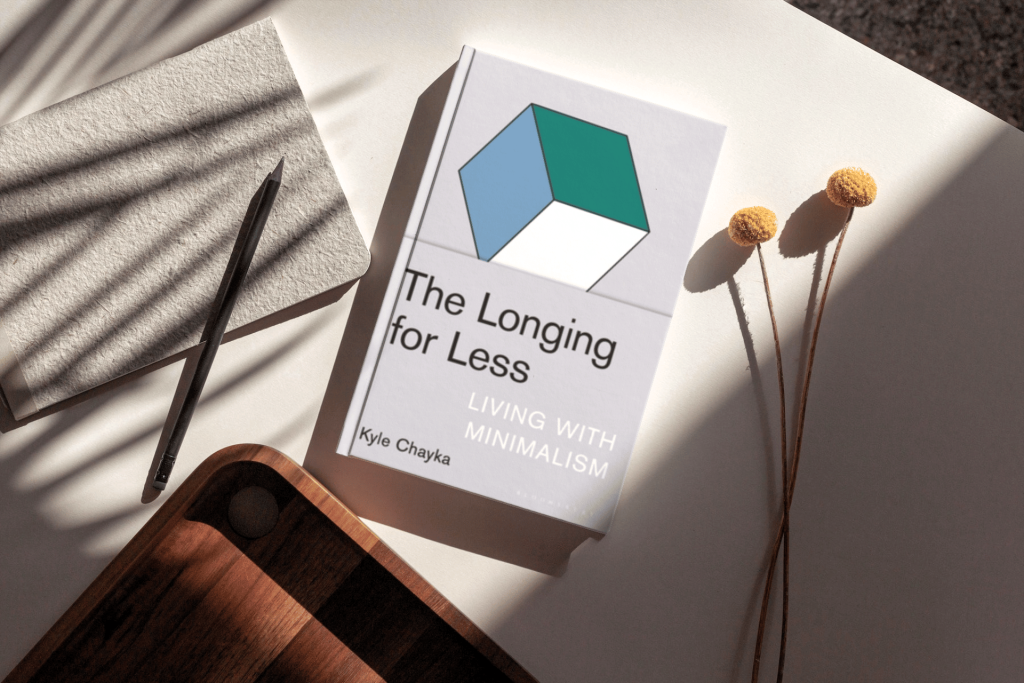
Consider how your own life could change if you approached each request with the question: “Does this align with my core values and goals?” This reframing can revolutionize how you manage your time and energy, ultimately leading to a more enriched existence. Embrace the power of no, and you may find that simplicity opens the door to profound personal growth.
Understanding Minimalism as a Time Management Tool
Minimalism is often perceived solely as a lifestyle choice focused on decluttering physical spaces, but it extends far beyond that initial interpretation. At its core, minimalism is about simplification, prioritization, and intention—principles that can dramatically enhance your time management skills. By adopting a minimalist mindset, you can cut the noise out of your life and put an emphasis on what truly matters.
Identifying Your Priorities
The foundation of minimalism is the ability to distinguish between what is essential and what is merely optional. Understanding your priorities is crucial when practicing the art of saying no. Here are some strategies to help you identify what deserves your time and attention:
- Define Your Values: Take a moment to reflect on what truly matters to you. Is it family time, career growth, health, or perhaps personal development? Clearly defining your values provides the necessary framework for evaluating commitments.
- Create a Prioritization System: Use tools such as the Eisenhower Box, which divides tasks into four categories: urgent and important, important but not urgent, urgent but not important, and neither. This can greatly assist in determining which activities to say yes to and which to decline.
- Set Clear Goals: Establish short and long-term goals that align with your values. When new commitments arise, ask yourself if they help you achieve these goals or distract you from them.
Once you have a clear understanding of your priorities, saying no becomes not just easier, but a necessary action to preserve your time and energy. It allows you to shift your focus away from unnecessary tasks and obligations, enabling you to channel your resources towards pursuits that are genuinely fulfilling.
The Ripple Effect of Declining Commitments
Interestingly, the act of saying no does not just impact your personal time management; it also has a ripple effect on those around you. When you establish boundaries and prioritize your commitments, others are likely to notice and respect your time. This newfound respect can lead to:
- Improved Relationships: By not overcommitting, you can give more attention to the relationships that matter most, strengthening these connections through quality interactions.
- Enhanced Collaboration: In professional settings, being clear about your limitations encourages others to do the same, fostering a more transparent and cooperative work environment.
- Increased Self-Respect: Saying no reinforces your ability to set boundaries, which ultimately leads to higher self-esteem and a more balanced lifestyle.
By understanding the profound implications of minimalism on time management, you’ll find that saying no is not a rejection but a redirection. It allows you to reclaim your time, focus on meaningful relationships, and invest in vibrant activities that align with your aspirations. Every moment you save is an opportunity to create lasting memories and pursue passion-driven projects.
| Advantage | Description |
|---|---|
| Enhanced Focus | By adopting a minimalist approach and learning to say no, you prioritize essential tasks, leading to improved focus on what truly matters. |
| Reduced Stress | Minimalism naturally reduces the chaos in your life and helps manage time effectively, thus diminishing the feeling of overwhelm. |
| Increased Productivity | When you focus only on high-impact tasks, your overall productivity surges, giving you more time for leisure and personal projects. |
| Better Decisions | Saying no enables clearer decision-making, allowing you to assess opportunities against your values and goals more efficiently. |
Exploring the art of saying no involves recognizing the profound effect of minimalism on time management. This philosophical shift discourages overcommitment and fosters a focus on substantial engagements. Moreover, it creates an environment where your mind can thrive without the clutter of unnecessary tasks. As you delve into this topic, consider how embracing minimalism can not only simplify your schedule but also enrich your life in meaningful ways—setting the stage for true fulfillment.
Mastering the Art of Saying No
Once you have identified your priorities, the next step in mastering minimalism as a time management tool is developing the confidence to say no. For many individuals, saying no can feel intimidating, especially in a culture that values busyness and compliance. However, embracing the art of saying no is an essential practice to reclaim your time and create a balanced life. Understanding and employing effective techniques can help you decline commitments without guilt or apprehension.
Techniques to Say No Without Guilt
It’s important to remember that saying no doesn’t have to be confrontational or harsh. Here are some techniques that can help you navigate these conversations gracefully:
- Use “I” Statements: Frame your refusals in a way that focuses on your own needs and limitations. For instance, saying “I can’t take on more at this time because I’m focusing on my priorities” is constructive and shifts the conversation away from the asker.
- Be Honest and Direct: Offering a clear reason for your refusal helps the other party understand your perspective. Feel free to say, “I appreciate the offer, but I am committed to my current projects, and I need to focus my energy there.”
- Propose Alternatives: If you want to maintain the relationship but genuinely cannot commit, suggest another way you can engage. You might say, “I can’t help this time, but I’d love to connect next month instead.” This keeps the door open for future interactions.
- Practice Makes Perfect: Like any skill, getting comfortable with saying no requires practice. Start with smaller commitments or minor asks until you build your confidence to address more significant requests.
By employing these techniques, you can create a comfortable space for honest communication, paving the way for respect around your boundaries and time constraints.
The Long-Term Benefits of Saying No
Saying no can yield significant long-term benefits, enhancing both your personal and professional life. Research shows that individuals who practice saying no experience:
- Increased Productivity: When you focus on a limited number of tasks that align with your goals, you can allocate more energy and resources, resulting in higher productivity levels. A study published in the *Journal of Applied Psychology* noted that employees who can decline tasks that did not serve their goals had significantly better performance outcomes.
- Lower Stress Levels: Overcommitting often leads to stress and burnout. By saying no to obligations that do not add value to your life, you create more space for relaxation and mindfulness, thus promoting mental well-being.
- Greater Clarity: Holding onto too many obligations can cloud your vision and decision-making. Reducing commitments allows for greater mental clarity and enhanced ability to focus on your priorities.
Allowing yourself to say no may feel challenging at first, but the more you practice, the more liberating it becomes. Learning to prioritize your time and commitments not only elevates your time management skills but also fosters a more authentic existence grounded in your values and aspirations.
The Minimalist Approach to Time Management
Ultimately, embracing minimalism as a philosophy for managing your time requires a radical shift in perspective. Rather than perceiving commitments as duties, see them as choices. Each choice reflects your values and priorities, reinforcing what is important in your life. Adopting this mindset transforms your relationship with time, allowing you to say no when necessary and create a life that prioritizes your well-being and fulfillment.
Conclusion: Embracing Minimalism for Enhanced Time Management
In a world that often glorifies busyness, mastering the art of saying no is a transformative skill that empowers individuals to take control of their time and focus on what truly matters. By embracing minimalism as a guiding principle in time management, one learns to prioritize commitments that align with their personal values, ultimately leading to a more fulfilling and balanced life.
As we’ve explored, saying no, when done thoughtfully and respectfully, does not only protect your time but also fosters clarity, reduces stress, and increases productivity. The techniques outlined—from using “I” statements to proposing alternatives—serve as effective tools to help navigate these challenging conversations with grace.
Moreover, the long-term benefits of consistent refusal to overcommit are profound. By saying yes only to engagements that resonate with your aspirations, you cultivate the mental space needed for creativity and personal growth. This shift encourages a more mindful approach to life, where every decision is reflective of your true desires.
Ultimately, the minimalist mindset invites you to see obligations as choices, transforming the way you interact with your time. By intentionally prioritizing how you spend your minutes and hours, you not only enhance your time management skills but also carve out a lifestyle that aligns with your authentic self. As you begin to embrace saying no, you’ll find that you are not just managing your time better, but also investing it wisely into a life rich with purpose and fulfillment.

Linda Carter is a writer and organization expert specializing in minimalism and personal organization. With extensive experience helping individuals create clutter-free, functional spaces and adopt mindful habits, Linda shares her knowledge on our platform. Her goal is to empower readers with practical advice and strategies to simplify their lives, stay organized, and achieve a sense of calm and balance in their daily routines.