The Art of Letting Go: How Spatial Efficiency Contributes to a Minimalist Lifestyle
Embracing a New Way of Living
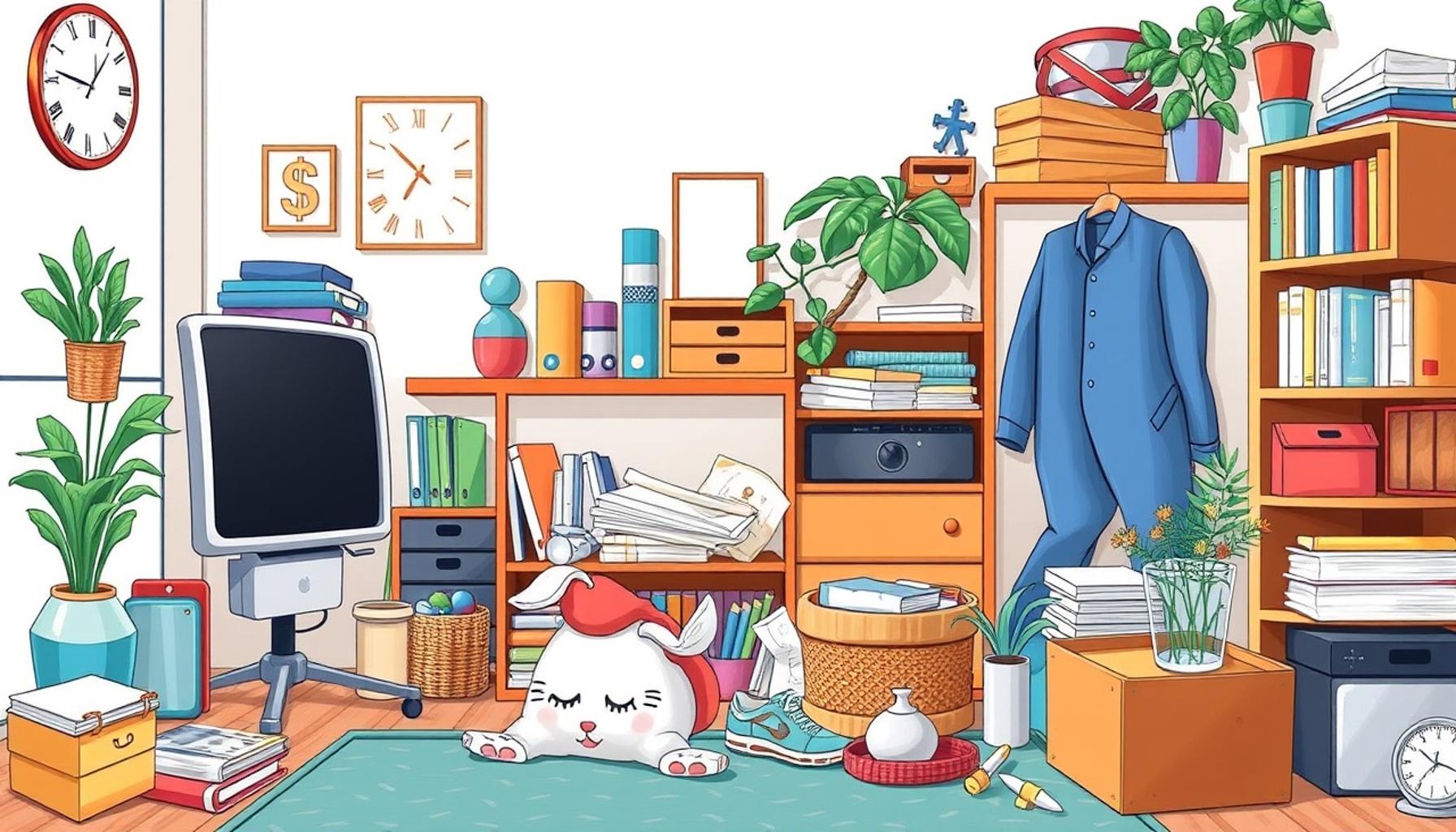
In today’s fast-paced world, clutter can be overwhelming. The quest for spatial efficiency has become a cornerstone of the minimalist lifestyle, sparking interest across the United States. This transformation is about more than merely downsizing possessions; it’s about adopting a mindset that prioritizes quality over quantity and intentionality in daily living.
Understanding Spatial Efficiency
At its core, spatial efficiency focuses on optimizing every inch of your living space to create a harmonious environment. This principle can be broken down into three key concepts:
- Prioritizing functionality: Every item in your home should serve a purpose. For instance, choosing a sofa that doubles as a bed or selecting furniture with built-in storage can maximize space.
- Eliminating unnecessary items: This involves a mindful evaluation of your possessions. Ask yourself if each item brings joy or serves a purpose. Techniques like the KonMari Method encourage tidying by category, helping you to assess your belongings critically.
- Creating multi-purpose areas: With remote work becoming more common, many households are reimagining spaces that accommodate work, leisure, and social activities. For example, a dining room can also be your work-from-home space, with minimal but essential items contributing to both functions.
These principles lead not only to a clearer mind but also to a more peaceful home environment, significantly enhancing overall well-being. According to research from the American Psychological Association, creating a tidy, organized space can greatly reduce anxiety levels and improve your mood.
The Benefits of Letting Go
Letting go of excess can evoke a powerful sense of freedom that resonates deeply in our consumer-driven society. Here are a few tangible benefits of adopting this minimalist philosophy:
- Reduce stress and anxiety: A cluttered environment can lead to feelings of overwhelm. By simplifying your space, you create a serene backdrop that can alleviate stress and foster tranquility.
- Enhance creativity and focus: A simplified environment can boost creativity. With fewer distractions, your mind is free to wander into imaginative territories. Many artists and writers find inspiration in minimalism, as it helps to clear mental fog.
- Lead to sustainable living choices: Minimalism often aligns with eco-friendly practices. By purchasing less, and choosing sustainable materials, you make a positive impact on the environment. A study by the Global Footprint Network shows that reducing personal consumption significantly lowers your carbon footprint.
As you explore the art of letting go, you’ll uncover layers of emotional and physical clutter that no longer serve your best interests. The process may also lead you to consider how corporate consumerism has shaped your desires, encouraging a more thoughtful approach to purchasing.
Embarking on the Journey
Join us as we delve into the transformative power of minimalism and examine how a thoughtful approach to spatial efficiency can redefine your living space. Each step you take towards owning less could ultimately lead to having more—more peace, more clarity, and more joy in your everyday life.
Whether you start by decluttering your closet or redesigning your living room layout, remember that every small change adds up. You might just find that as you let go of physical items, you also release emotional burdens, paving the way for a more fulfilling existence.
Exploring the Freedom of Space
As more individuals embrace the minimalist lifestyle, the concept of spatial efficiency is becoming a central theme in how we organize our lives and homes. This approach not only transforms physical spaces but also encourages personal growth through the act of letting go. Understanding the value of each item in your home is essential to this journey, as it opens a pathway to physical and emotional liberation.
The Psychological Impact of Clutter
Research has shown that physical clutter can contribute significantly to mental clutter. According to a study published in the journal Personality and Social Psychology Bulletin, individuals who described their homes as cluttered or chaotic reported higher levels of stress and anxiety. In contrast, those who engaged in minimalist practices, which advocate for curated living spaces, experienced increased feelings of calm and clarity. Embracing spatial efficiency means recognizing not just the benefits of physical space but how it contributes to a healthy mind.
Practical Steps toward Minimalism
Embracing the art of letting go involves practical steps, made easier by understanding how to apply the principles of spatial efficiency:
- Assess Your Belongings: Take a close look at what you own. Does it bring you joy or serve an essential function? If not, consider letting it go. This process can be cathartic, allowing you to reflect on what truly matters.
- Create a Decluttering Plan: Tackle one space at a time. Whether it’s a single room or a category of items, setting a manageable goal prevents overwhelm and keeps you motivated.
- Implement “One In, One Out”: Adopt a rule where for every new item you bring into your home, you remove one. This not only helps maintain spatial efficiency but also reinforces mindful consumption.
- Utilize Vertical Space: Maximize storage by thinking vertically. Shelves and wall organizers can free up floor space and create a more open atmosphere. This can be particularly useful in smaller apartments.
By incorporating these strategies, individuals can create a setting that reflects intentionality and peace. A home organized by design encourages clarity and supports a more purposeful lifestyle—a crucial aspect of minimalism.
A Broader Perspective
Furthermore, adopting minimalism and enhancing spatial efficiency allows for deeper connections with our environment and larger societal implications. As we let go of excess, we not only create a more tranquil personal space but also contribute to a cultural shift that values sustainability and conscious living. The minimalist mindset inherently questions consumerism, prompting a transition towards more thoughtful consumption habits that impact the world beyond our front doors.
In a nation where consumer culture often promotes excess, embracing the minimalist philosophy can lead to positive change, not only for individuals but for society as a whole. By maximizing our living spaces through spatial efficiency, we pave the way for a richer, more fulfilling lifestyle.
The Art of Letting Go: How Spatial Efficiency Contributes to a Minimalist Lifestyle
In today’s fast-paced world, the concept of minimalism offers a refreshing perspective on life and space. By embracing the philosophy of spatial efficiency, individuals can discover profound advantages that not only declutter their physical surroundings but also enhance their overall well-being. Minimalism encourages individuals to evaluate what objects, behaviors, and routines hold true value. This approach fosters not just a tidier environment, but promotes a sense of peace and focus that many seek in chaotic modern life.
Spatial efficiency is integral to achieving a minimalist lifestyle. This involves utilizing space purposefully and wisely, ensuring that every item serves a functional or emotional purpose. Consumers often find themselves overwhelmed by excessive possessions, leading to decision fatigue and anxiety. By adopting a minimalist approach and focusing on spatial efficiency, one can significantly reduce stress levels and increase clarity. The minimalist lifestyle champions the idea that less is more—those who practice it often report feeling liberated from the burdensome weight of excess belongings.
Moreover, spatial efficiency enhances creativity and productivity. A clutter-free environment allows the mind to flow freely, paving the way for inspiration and innovation. When one eliminates the noise of too many items, it becomes easier to focus on tasks and engage fully in the present moment. Additionally, embracing minimalism encourages more sustainable living, as one becomes more intentional about purchases, contributing to a reduced environmental footprint.
| Advantages | Impact on Lifestyle |
|---|---|
| Enhanced Mental Clarity | A clear space leads to a clear mind, reducing anxiety. |
| Increased Productivity | Less clutter promotes focus, enhancing creative output. |
As you explore the minimalist lifestyle further, consider how spatial efficiency can transform your relationship with your belongings and your environment. This art of letting go not only cultivates a home that reflects your true self, but it also invites a sense of freedom and possibility that extends beyond physical spaces.
Embracing Sustainable Living through Spatial Efficiency
As the conversation surrounding minimalism grows, so too does its relationship with sustainability. The art of letting go not only brings personal well-being but also resonates with environmental consciousness. Adopting a minimalist lifestyle fosters a commitment to sustainability by encouraging a re-evaluation of consumption patterns. When individuals take a step back from materialism, they often realize the significant environmental footprint associated with excess goods.
Material Waste and the Minimalist Approach
The United States generates over 292 million tons of waste annually, much of which comes from overconsumption and an excess of household items that can all too easily accumulate. By practicing spatial efficiency within the home, individuals contribute to reducing this statistic. A minimalist approach prompts thoughtful consideration of what is necessary versus what is simply a desire. This awareness leads to fewer purchases, ultimately decreasing waste. Studies indicate that by reducing consumption, we can significantly lessen the demand for new products, thereby supporting sustainable practices that protect our planet.
A Shift towards Ethical Consumerism
In a minimalist lifestyle, ethical consumerism becomes a natural companion. When individuals prioritize quality over quantity, their purchasing decisions tend to focus on products that are sustainable, ethically sourced, and crafted to last. This shift directly impacts businesses that prioritize environmental responsibility, encouraging a market that favors sustainability. A 2019 Nielsen report found that 73% of millennials are willing to pay more for sustainable offerings, demonstrating a growing consumer trend that aligns with minimalist values. By embodying these principles, individuals not only enhance their living spaces but actively contribute to a larger, positive change.
The Decluttered Mind: A Space for Creativity
Beyond physical and environmental benefits, spatial efficiency also cultivates a more profound mental clarity that often paves the way for creativity and productivity. When clutter is reduced and spaces are simplified, the mind can focus on what truly inspires and motivates. Numerous artists, writers, and creators endorse the minimalist ethos, asserting that a clean, organized environment spurs imagination and innovation. For example, renowned designer Marie Kondo champions the idea that a decluttered space brings clarity and joy, allowing individuals to pursue passions freely.
Creating Community through Shared Spaces
Minimalism encourages a reevaluation of not just our personal environments, but also how we engage with and within our communities. Shared living spaces and resources align with the principles of spatial efficiency, to foster connection and collaboration. In urban areas, co-housing initiatives and community resource sharing are becoming increasingly popular, driven by the desire to simplify living and promote sustainability. Such arrangements not only maximize spatial efficiency but also build supportive environments that echo the values of minimalism, creating a collective atmosphere of mindful living.
As the minimalist movement continues to gain traction in the United States, it becomes evident that the journey toward spatial efficiency is not merely about the items we choose to keep or discard. It’s a holistic approach that encompasses mental clarity, sustainability, ethical consumerism, and thriving communities, showcasing the interconnectedness of our spaces and the impact of letting go on a grand scale.
Conclusion: Unlocking the Power of Letting Go
The journey of embracing minimalism through the art of letting go transcends beyond simply decluttering our physical spaces; it represents a transformative lifestyle shift that enhances our mental well-being, promotes sustainability, and fosters community. By prioritizing spatial efficiency, individuals can create an environment that not only reflects their values but also supports their aspirations—both personal and environmental.
As we delve deeper into the minimalist philosophy, it becomes increasingly apparent that reducing our material possessions is an essential step towards cultivating mindful consumption habits. The profound impacts of our choices ripple outward, decreasing the staggering 292 million tons of waste generated yearly in the U.S. and steering us towards a more sustainable future. Moreover, a rise in ethical consumerism exemplifies how mindful purchases can drive markets to prioritize sustainability, ultimately benefiting our planet.
Furthermore, the act of letting go opens up invaluable mental space that can ignite creativity and innovation. In a world where distractions are rampant, maintaining a decluttered mind can lead to enhanced focus and inspiration. Equally important, fostering shared spaces encourages stronger community ties and collective well-being, underscoring the interconnectedness of our lives.
In sum, embracing minimalism is not merely a trend but rather a profound lifestyle choice that invites us to reflect, refocus, and reconnect—with ourselves, with others, and with the environment. As the minimalist movement continues to flourish, the art of letting go becomes a powerful catalyst for both individual transformation and societal progress. It is an invitation to explore a life where space, intention, and purpose harmoniously coexist.

Linda Carter is a writer and organization expert specializing in minimalism and personal organization. With extensive experience helping individuals create clutter-free, functional spaces and adopt mindful habits, Linda shares her knowledge on our platform. Her goal is to empower readers with practical advice and strategies to simplify their lives, stay organized, and achieve a sense of calm and balance in their daily routines.