The Art of Decluttering: How Space Efficiency Enhances Your Minimalist Lifestyle
The Art of Decluttering: A Pathway to Minimalism
In an era where consumerism and material accumulation often overshadow our daily lives, the practice of decluttering has emerged as a powerful antidote. As people navigate their busy schedules, the clutter in their homes and workplaces can become a significant source of stress. The principles of minimalist living advocate for a simpler, more intentional lifestyle that encourages individuals to evaluate their possessions and prioritize what truly matters. Decluttering is not just about tidying up; it’s about reclaiming your space and mental clarity one item at a time.
To understand the profound impacts of decluttering, let’s delve into its three core benefits:
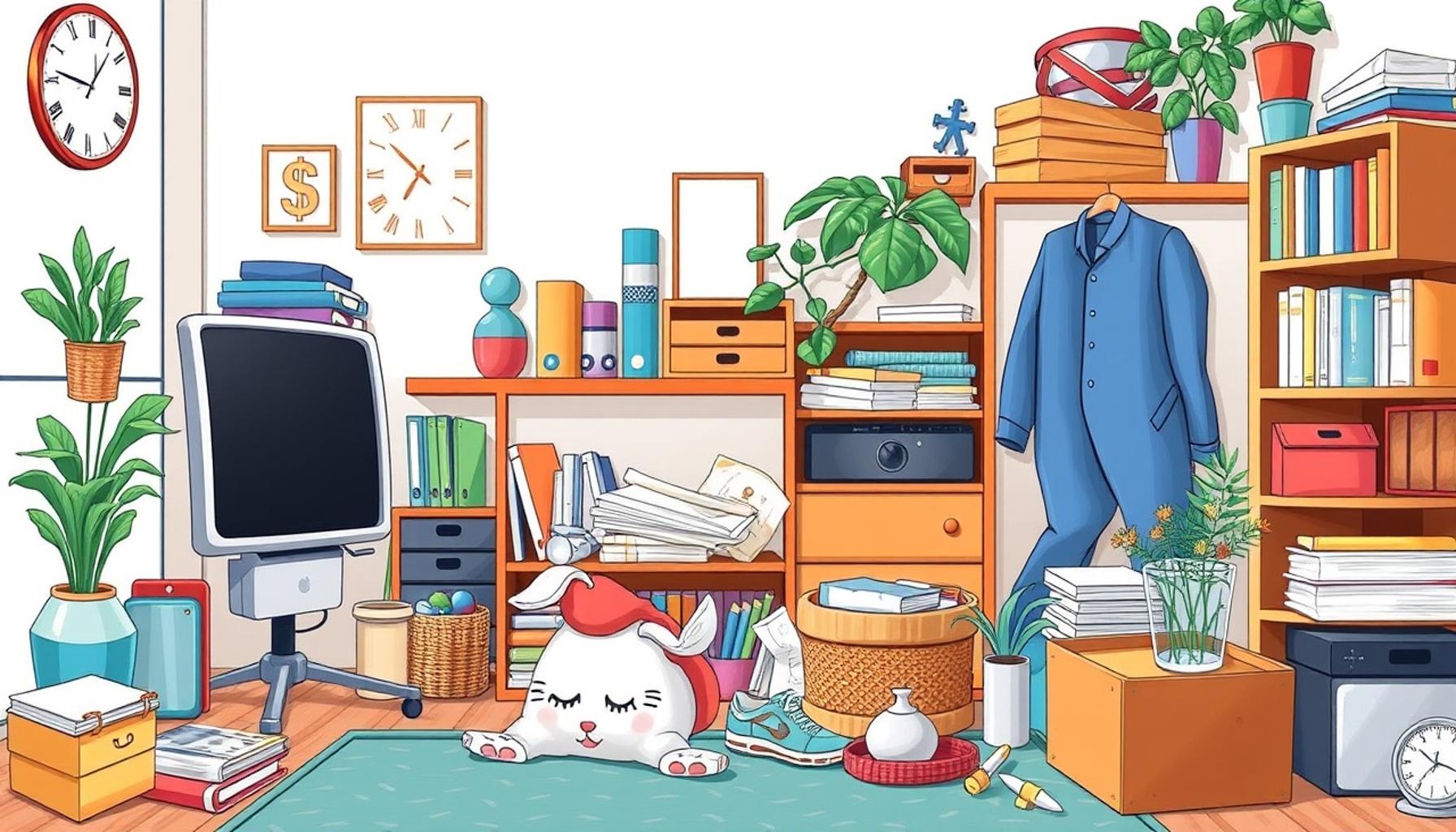
- Enhanced Focus: A clean and organized environment minimizes distractions, allowing for deeper concentration on essential tasks. Studies have shown that individuals working in cluttered spaces often experience increased feelings of overwhelm. In contrast, those in tidy environments report enhanced focus and productivity. Consider the difference between a cluttered desk filled with papers and trinkets versus a clean workspace where only the necessary tools are present.
- Improved Well-Being: Numerous studies indicate that a clutter-free environment can significantly lower stress and anxiety levels. For many, being surrounded by chaos can trigger feelings of unease and distraction. Imagine walking into a serene, decluttered living room versus one packed with outdated furniture and boxes. The former invites relaxation, while the latter can be a constant reminder of tasks left undone. A peaceful environment fosters mental health, allowing for clearer thinking and emotional stability.
- Greater Time Management: The act of knowing exactly where to find what you need can save precious time and energy, making daily routines much smoother. For instance, when your pantry is organized, meal prep becomes quicker and less stressful. This efficiency frees up time that can be better spent on activities you enjoy, whether that’s spending time with loved ones or pursuing personal interests.
As you embark on your decluttering journey, it is crucial to ask yourself essential questions:
- What items serve a purpose in your life? It’s helpful to evaluate how often you use items and whether they add value to your daily routine.
- How does each possession contribute to your overall happiness? Reflect on the emotional attachment you have to items and whether they genuinely enhance your life.
- Are you holding on to things out of obligation or nostalgia? Understanding the reasons for keeping certain possessions can aid you in making more intentional choices.
Embracing space efficiency through decluttering is an enlightening journey that can unlock a more fulfilling lifestyle. It is a conscious decision to let go of material possessions that no longer serve you, thereby creating an environment in which you can thrive. The minimalist approach encourages you to re-evaluate your relationship with your belongings, leading to a more meaningful existence grounded in simplicity and purpose.
In conclusion, decluttering is about more than just cleaning up; it is an essential step toward living a balanced and intentional life. By simplifying your surroundings, you can elevate your focus, improve your well-being, and enhance your time management. As you begin this transformative process, remember that every small step contributes to a larger narrative of personal growth and a deeper connection to what truly matters.
Understanding Space Efficiency and Its Impact on Your Life
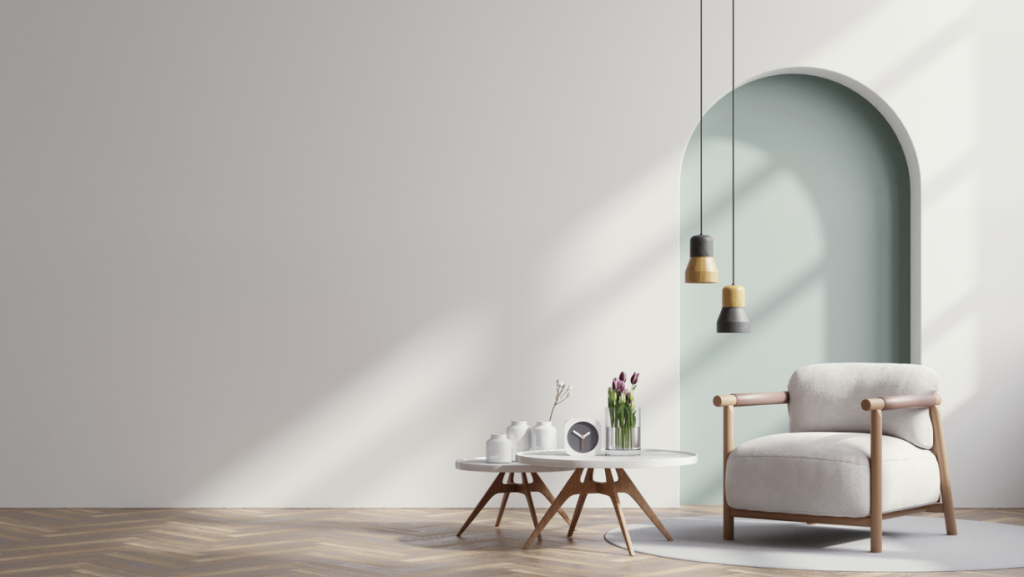
As you embark on the decluttering journey, the concept of space efficiency becomes vital to your minimalist lifestyle. At its core, space efficiency refers to the effective utilization of the space you have available. In practical terms, it means organizing your living environment in such a way that it feels more open and accessible, allowing you to engage more fully with each space. When you declutter and optimize the arrangement of your belongings, you create a sanctuary that promotes serenity and functionality.
According to a survey by the National Association of Professional Organizers, 82% of people feel stressed by clutter in their homes. This statistic underscores the importance of space efficiency not just for aesthetic appeal, but for mental well-being. Spaces that are cluttered do not merely take away physical space; they also consume your mental bandwidth, leaving little room for creativity or relaxation.
To cultivate an atmosphere of space efficiency, consider these strategies:
- Utilize Vertical Space: Shelving units and wall hooks can free up floor space while keeping essentials within reach. Consider installing floating shelves in your living room or kitchen to display decorative pieces or store items you use daily.
- Zone Your Areas: Create designated areas for specific activities, such as a calming reading nook or a functional home office. This helps streamline your workflow and minimize chaos, as each space is organized around a particular purpose.
- Multi-functional Furniture: Invest in furniture that serves multiple purposes, like a sofa bed for guests or an ottoman that doubles as a storage container. This approach can maximize space, allowing you to maintain a minimalist decor while accommodating daily needs.
Additionally, the emotional aspect of decluttering cannot be overlooked. When you evaluate how each item occupies space, it’s essential to navigate the emotional attachments that come into play. A sentimental item might have served a purpose in your past, but does it still hold significance in your present life? Making deliberate choices about what to keep allows you to redefine your relationship with your belongings, often revealing an unexpected sense of freedom.
Integrating space efficiency principles into your decluttering efforts enhances your overall lifestyle by providing physical and mental clarity. A room designed with intent invites creativity, calmness, and productivity, embodying the very essence of minimalist living. Embracing a thoughtful organization of your space transforms your home into an environment that nurtures your growth and well-being.
As you continue on this path, remember that the key is not merely to eliminate items but to create a curated collection that complements your life. The art of decluttering is about evolving toward a more intentional existence, filled with purpose and design. It’s a gradual process of refining your space to encourage a greater connection with what matters most.
| Advantages | Description |
|---|---|
| Increased Productivity | A clutter-free environment fosters enhanced focus, allowing individuals to concentrate better on tasks and maximize efficiency. |
| Reduced Stress | Minimalist spaces minimize distractions, contributing to lower anxiety and a more serene atmosphere, essential for mental well-being. |
| Enhanced Aesthetics | Clean, open spaces create a visually appealing setting that can invigorate personal creativity and inspiration. |
Embracing the minimalist lifestyle brings significant transformations that reflect not just in physical spaces but also mental perspectives. The art of decluttering allows individuals to cultivate an environment that is both functional and aesthetically pleasing. When clutter is minimized, it implies that every item serves a purpose, aligning with the principles of space efficiency.Moreover, the efficacy of storage solutions plays a crucial role in enhancing daily routines. Clever use of vertical space and innovative organization techniques ensures that every nook and cranny contributes to maximizing utility. This essential component of a minimalist lifestyle empowers individuals to curate their belongings purposefully rather than accumulating unnecessary items. As you delve deeper into the realm of decluttering, the journey reveals not only a transformation of space but also an opportunity to reflect on personal values and aspirations, unearthing a newfound appreciation for the simplicity that enhances living.
Strategies to Enhance Space Efficiency in Your Minimalist Home
With an understanding of space efficiency firmly established, the next step is implementing practical strategies that can help you transform your living space into a minimalist haven. By focusing on functional design and intentional storage solutions, you’ll not only create a clutter-free zone but also enhance your overall quality of life.
One of the most effective methods to elevate your space efficiency is through strategic organization techniques. Implementing the “One In, One Out” rule can serve as a powerful guideline. This principle asserts that every time you bring a new item into your home, you should let go of an existing item. This practice not only curbs clutter but also allows for a more mindful assessment of your possessions. It’s essential to prioritize what you truly need according to your lifestyle, ensuring each object has both functionality and purpose.
Furthermore, consider the KonMari Method, developed by tidying expert Marie Kondo, which emphasizes tidying by category rather than location. This method fosters a deeper relationship with your belongings by encouraging you to evaluate their utility and emotional significance all at once. By gathering similar items from varied spaces (for example, all clothing or books), you gain a comprehensive perspective on what you own, making it easier to decide what to keep and what to release.
Another aspect is furniture layout. Furniture placement plays a crucial role in enhancing space efficiency. For instance, creating an open floor plan by arranging your furniture to support a flow through the space can contribute significantly to a room’s overall feel. Instead of pushing all furniture against the walls, which often makes a room feel cramped, try grouping furniture to create inviting conversation areas. This tactic helps maximize the usage of the space and fosters a more engaging atmosphere within the room.
Incorporating creative storage solutions is also vital for a minimalist lifestyle. Think beyond conventional storage and consider using hidden compartments, under-bed storage bins, or decorative baskets that can blend seamlessly with your home décor. The rise of *tiny homes* in the U.S. exemplifies this trend, with many owners opting for compact furniture and innovative organization systems to optimize their limited space.
Technology can further enhance your decluttering efforts. Smart home gadgets, such as digital inventory systems for your kitchen or closet, allow you to keep track of what you own and what you need. This technology-driven approach aids in reducing unnecessary purchases, thereby supporting your minimalist philosophy.
The emotional journey of decluttering should not be underestimated. Engaging in mindful reflection about each item you possess fosters a mental clarity that often goes hand-in-hand with physical space efficiency. Journaling about your decluttering experience or even seeking support from online communities can deepen the motivation to sustain a minimalist lifestyle, making the process more enjoyable and connected.
Ultimately, enhancing space efficiency through these strategies aligns seamlessly with the pursuit of minimalism. As you continue to redefine your environment, you will find that each decision contributes to a cleared mind and a well-organized life, setting the foundation for a space that reflects your values and aspirations. By embracing these methods, you’ll unlock a transformation that transcends mere physical space, elevating your overall well-being as you create a living experience that is both functional and serene.
Conclusion: Embracing the Minimalist Journey
As we navigate the complexities of modern living, the importance of decluttering and embracing space efficiency cannot be overstated. This journey towards a minimalist lifestyle not only promotes physical organization but also cultivates a clearer, more focused mindset. By implementing strategies such as the “One In, One Out” rule, the KonMari Method, and innovative furniture arrangements, individuals can transform their environments into serene sanctuaries that reflect their true selves.
The emotional and psychological benefits that arise from decluttering are profound. As individuals gain momentum in curating their surroundings, they foster a heightened sense of control and well-being. The storage solutions and creative approaches discussed equip us not just with the tools to maintain a tidy space, but also empower us to live intentionally, prioritizing what genuinely adds value to our lives.
Moreover, as technology continues to advance, tools that aid in organization and inventory management play a significant role in reinforcing the principles of minimalism. This integration of technology can help mitigate impulse purchases and align our possessions with our genuine needs.
In conclusion, the art of decluttering is a transformative experience that lays the groundwork for a more fulfilling lifestyle. By embracing space efficiency, we can create environments that not only support our daily routines but also nurture our aspirations. As you embark on this path, remember that each decluttering decision draws you closer to a life enhanced by clarity, purpose, and peace. The minimalist lifestyle is not merely a trend, but a powerful statement of intentional living—one that resonates deeply with the quest for authenticity in today’s fast-paced world.

Linda Carter is a writer and organization expert specializing in minimalism and personal organization. With extensive experience helping individuals create clutter-free, functional spaces and adopt mindful habits, Linda shares her knowledge on our platform. Her goal is to empower readers with practical advice and strategies to simplify their lives, stay organized, and achieve a sense of calm and balance in their daily routines.