Reducing Emotional Turmoil: How Minimalism Can Help with Stress Management

The Weight of Modern Stress
In an age that prizes productivity and connectivity, stress often reigns supreme. With the pressures of demanding careers, social obligations, and the constant barrage of digital notifications, emotional turmoil can easily seep into our daily lives. The question is, how can we escape the clutches of this relentless chaos?
Minimalism has gained traction as an effective antidote to this overwhelming lifestyle. By intentionally choosing to focus on what truly matters—whether it be meaningful relationships, personal passions, or overall well-being—we can reduce distractions and cultivate a sense of mental clarity. The minimalist movement, although originally rooted in various artistic and design principles, has now evolved into a lifestyle choice that many individuals across the United States are adopting to restore balance to their lives.
Key Aspects of Minimalism for Stress Management
Here are several crucial elements of minimalism that can play a vital role in managing stress:
- Decluttering physical space: The environment we inhabit significantly impacts our mental well-being. A tidy, organized space can foster a sense of peace and enhance productivity. Consider the simplicity of owning fewer furniture pieces, opting for multifunctional items, and creating a decluttering routine—as small changes can yield significant effects on emotional health.
- Reducing decision fatigue: In a society laden with choices, it’s easy to feel overwhelmed. Minimalism advocates for fewer possessions, which translates into fewer decisions to make daily. This reduction in choice can lead to less mental strain and a clearer mind, as less time is spent deliberating over what to wear, eat, or buy.
- Enhancing focus: A minimalist lifestyle encourages mindfulness, allowing you to concentrate better on the present moment. Engaging in activities such as meditation or yoga in a calm, uncluttered space can enhance focus and reduce stress. Research has shown that regular mindfulness practices can lead to decreased levels of anxiety and increased emotional resilience.
Transformative Impact of Minimalism
Studies indicate that embracing a minimalist lifestyle, even in small doses, can significantly contribute to an individual’s emotional well-being. Many who have adopted minimalism claim to experience feelings of being more grounded, less overwhelmed, and more empowered in their decision-making. As feelings of stress diminish, individuals can refocus their energy on what genuinely matters in their lives.
Are you ready to delve deeper into how the principles of minimalism can reshape your relationship with stress? Consider exploring local minimalist communities, engaging with online resources, or experimenting with decluttering your own space—such changes may just lead you toward greater peace and clarity in your life.
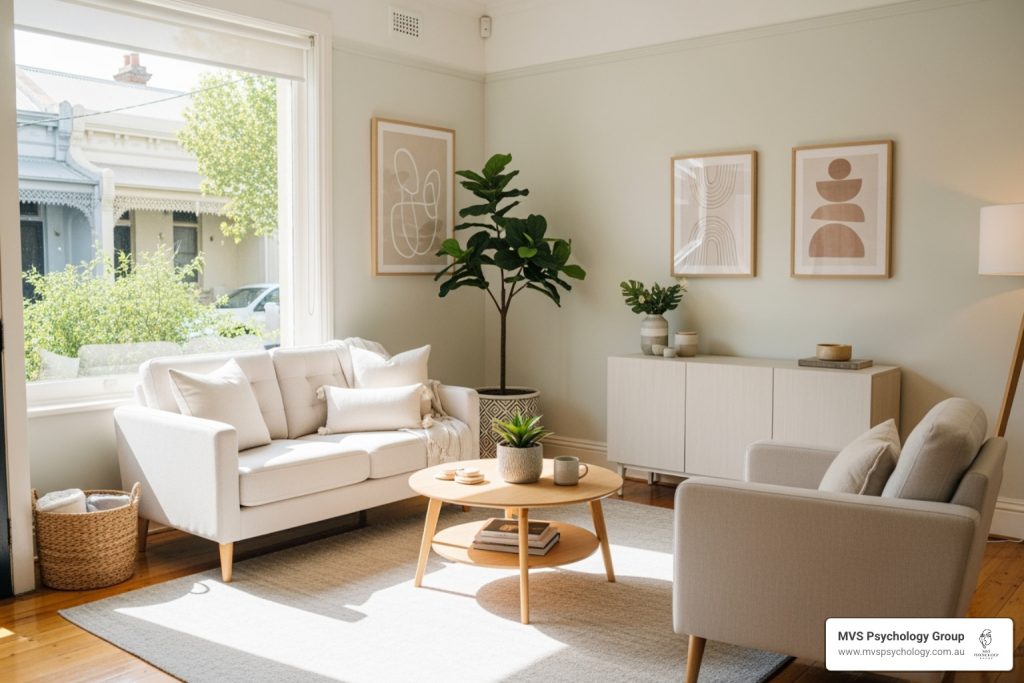
Embracing Minimalism for a Peaceful Mind
As stress becomes an almost ubiquitous part of modern life, it’s crucial to seek effective strategies for mitigation. Minimalism is not just about owning fewer things; rather, it is a holistic approach that focuses on intention and purpose across various facets of life. This philosophy encourages individuals to examine their belongings, commitments, and even thoughts, leading to a more centered existence.
Decluttering physical space serves as one of the cornerstones of minimalism, directly impacting emotional well-being. A cluttered environment is often associated with heightened anxiety and reduced productivity. Research has shown that physical disarray can evoke feelings of chaos and distraction. On the contrary, a clean, organized space promotes tranquility and allows the mind to breathe. Individuals can start with small, manageable tasks—like clearing a single room or even just a desktop. The sense of accomplishment felt after such tasks can invigorate further decluttering efforts, eventually leading to a serene environment conducive to stress relief.
A Simpler Life: Less Choice, Less Stress
Another of the key aspects of minimalism is the significant reduction of decision fatigue. In today’s consumer culture, we are bombarded with countless choices—from the clothes we wear to the meals we eat. This relentless barrage can lead to overwhelm and make even simple decisions feel daunting. By adopting a minimalist mindset, individuals can embrace the power of fewer options. For example, establishing a designated capsule wardrobe or meal planning can minimize daily decisions. This narrowing of choices allows the mind to operate more efficiently without the constant strain of assessing numerous alternatives.
Mindfulness and Enhanced Focus
Minimalism also fosters a deeper connection to mindfulness and focus. By stripping away distractions, individuals can cultivate a more present state of mind. Mindfulness practices, such as meditation or deep-breathing exercises, can be immensely beneficial in a clean and uncluttered environment. Data indicates that consistent engagement in mindfulness activities leads to reductions in stress and anxiety levels. Creating a quiet nook in the home, free from clutter and distractions, can serve as a perfect space for reflection or meditation, allowing one to ground themselves amid life’s turbulence.
As a growing body of evidence suggests, embracing the principles of minimalism can lead to significant improvements in emotional health. By prioritizing what truly matters and letting go of the superfluous, individuals can carve out a clearer path for themselves. Interested in learning more? Stay tuned as we delve further into the transformative impact of minimalism on stress management and emotional clarity.
| Advantages | Description |
|---|---|
| Improved Focus | By eliminating distractions, minimalism allows for greater concentration on essential tasks, which leads to reduced stress levels. |
| Emotional Clarity | Living with less fosters an environment that enhances self-reflection and emotional understanding, helping individuals navigate their feelings more effectively. |
| Reduced Anxiety | A simplified environment cultivates a sense of serenity, thereby diminishing feelings of overwhelm that often contribute to anxiety. |
| Enhanced Well-being | Minimalism promotes a lifestyle that aligns with personal values, which can significantly boost overall happiness and satisfaction. |
Minimalism is not just about decluttering physical spaces; it’s a pathway to mental tranquility. Adopting a minimalist approach allows individuals to prioritize what truly matters, creating a nurturing space for emotional well-being. By focusing on fewer possessions and simpler living, one can reduce the chaos that often fuels emotional turmoil. This goes hand-in-hand with enhanced decision-making capabilities, as less clutter leads to fewer distractions, fostering clarity and purpose in daily tasks. Each of these elements contributes to a robust framework for stress management, aligning seamlessly with the goals of emotional health. Embracing minimalism could be the transformative step towards achieving sustained emotional equilibrium.
Creating Space for Emotional Clarity
Beyond the tangible realm of decluttering, minimalism also encourages individuals to evaluate their emotional and mental clutter. Often, the weight of unresolved thoughts and overcommitments can foster emotional turmoil. Embracing a minimalist lifestyle allows one to identify and release these burdens, paving the way for emotional clarity and peace.
Setting Boundaries for Improved Well-being
In a world characterized by nonstop connectivity and an incessant demand for attention, many individuals find it challenging to set healthy boundaries. Minimalism encourages a streamlined approach to relationships and commitments, fostering a culture where individuals can say no to things that do not serve their emotional well-being. This selective engagement helps preserve energy and focus for the people and activities that are truly valuable.
- Prioritizing Relationships: Minimalism allows individuals to curate their social circles, emphasizing quality over quantity.
- Limiting Commitments: Saying no to unnecessary engagements can create space for personal time and self-care.
- Establishing Digital Boundaries: Reducing screen time and unfollowing social media accounts that elevate stress can lead to a more tranquil mind.
Intentional Living Through Mindful Consumption
Minimalism encourages intentional living, which involves making conscious choices in consumption. This philosophy extends beyond physical possessions to include emotional and psychological inputs. Questioning the necessity of each choice can help individuals move from autopilot to mindfulness, ultimately minimizing stress. This intentionality can manifest in multiple areas:
- Clothing and Aesthetics: A carefully curated wardrobe not only simplifies daily decisions but also cultivates a sense of self-expression.
- Media Consumption: Focusing on quality content—books, films, or podcasts—helps individuals align their media choices with their values, reducing stress-inducing distractions.
- Food Choices: Emphasizing wholesome, manageable meals instead of overly complex recipes can lead to improved mental clarity and emotional stability.
Creating Routines that Foster Calm
Another vital component of minimalism is establishing simple yet effective routines that encourage consistency and balance. Routines help individuals create a predictable environment, leading to reduced stress levels. By setting a rhythm to daily life, minimalism can aid in fostering a serene mindset. Some examples include:
- Morning Rituals: Starting the day with activities such as yoga, reading, or journaling can cultivate a peaceful mindset.
- Designated Unplugged Times: Limiting accessibility to digital devices during specific hours fosters mindfulness and encourages real-life interactions.
- Evening Wind-Down Rituals: Engaging in calming practices like aromatherapy or meditation before bedtime can enhance sleep quality and emotional resilience.
By identifying personal stressors and implementing minimalist principles, individuals can carve out a nurturing environment that encourages emotional well-being. Minimalism not only serves as a method for physical decluttering but acts as a critical tool in managing the complexities of modern life, allowing individuals to focus on what truly matters for their mental health.
Conclusion
In the quest for emotional well-being, minimalism emerges as a transformative solution that extends beyond mere physical decluttering. By embracing a streamlined lifestyle, individuals invite clarity, peace, and intentionality into their lives. The principles of minimalism not only help in reducing emotional turmoil but also empower individuals to prioritize what truly matters—be it meaningful relationships, personal routines, or mindful consumption.
As we navigate the complexities of modern life, the challenge often lies in distinguishing between necessity and excess. Minimalism encourages this discernment, fostering a mindset where thoughtful choices replace impulse decisions. Whether through establishing healthy boundaries, curating social interactions, or simplifying daily routines, the benefits are profound. Research suggests that individuals who adopt minimalist principles experience lower stress levels and heightened emotional resilience.
Ultimately, integrating minimalism into daily life offers more than just a fortified defense against stress; it promotes a lifestyle rooted in awareness and mindfulness. By exploring and committing to these minimalist strategies, individuals can reclaim their mental space, cultivate emotional stability, and lead a more balanced life. As the journey unfolds, it is essential to remember that minimalism is not merely a trend but a powerful tool equipped to tackle the emotional challenges of today, guiding each person towards a life of purpose and serenity.

Linda Carter is a writer and organization expert specializing in minimalism and personal organization. With extensive experience helping individuals create clutter-free, functional spaces and adopt mindful habits, Linda shares her knowledge on our platform. Her goal is to empower readers with practical advice and strategies to simplify their lives, stay organized, and achieve a sense of calm and balance in their daily routines.