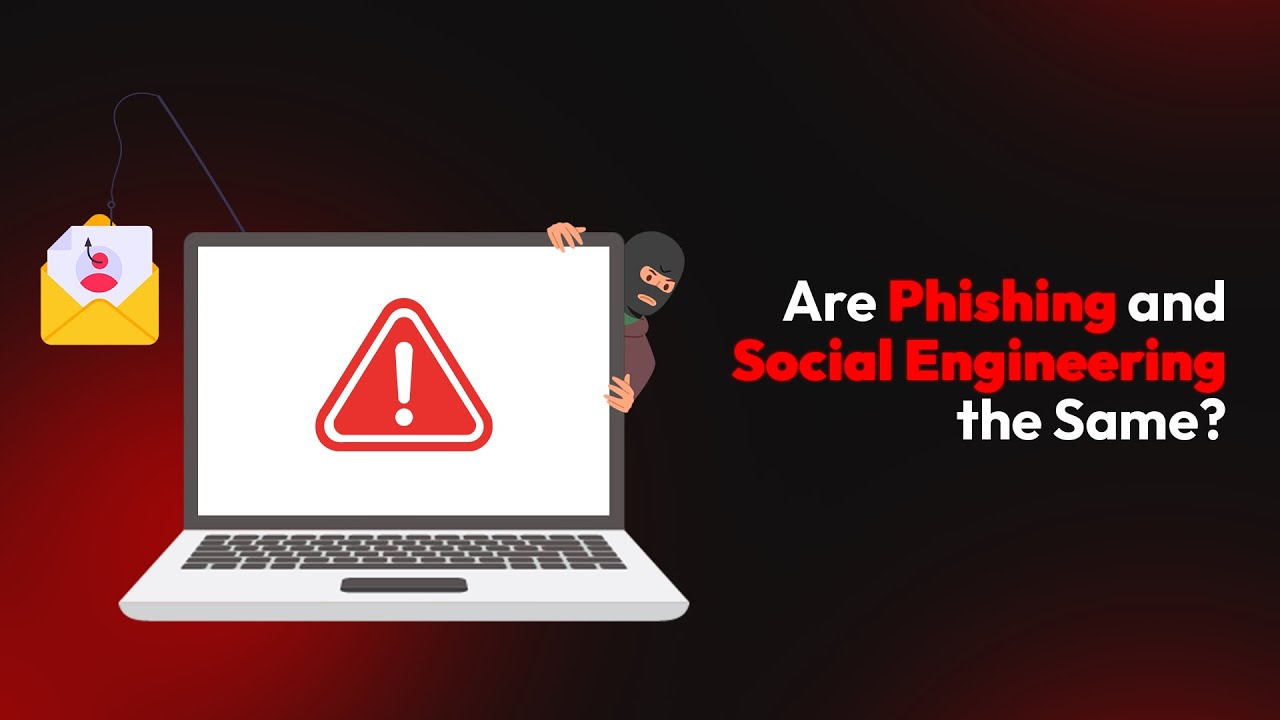
Phishing and Social Engineering: How to Recognize and Avoid Attacks
Understanding Phishing and Social Engineering Attacks
In an era where digital communication dominates our daily interactions, the threat landscape has evolved, making it increasingly susceptible to various forms of cyberattacks. Among these, phishing and social engineering attacks have emerged as some of the most prevalent and damaging threats. With an estimated 3.4 billion phishing emails sent daily, the potential for deceit is omnipresent. Thus, recognizing and effectively avoiding these attacks has never been more critical.
Common Tactics Used in Phishing and Social Engineering
Phishing attacks have grown increasingly sophisticated, with the following tactics being the most common:
- Email phishing: Scammers send fraudulent emails that masquerade as legitimate communications from trusted entities, such as banks or popular online services. These emails often include urgent messages prompting recipients to click on malicious links or provide sensitive information.
- Spear phishing: Unlike generalized phishing attempts, spear phishing targets specific individuals or organizations. For instance, an attacker might impersonate a company’s CEO to manipulate an employee into revealing confidential information.
- Vishing: This form of phishing occurs via phone calls, where attackers often pose as legitimate representatives from banks or tech companies to trick victims into sharing sensitive data.
- Smishing: SMS phishing leverages text messages to deceive users. These messages typically contain links that, when clicked, lead to fraudulent websites designed to harvest personal information.
These tactics exploit basic human emotions—fear, urgency, and curiosity—making individuals susceptible to manipulation. For instance, a message claiming your bank account will be frozen unless you verify your identity plays on fear, compelling many to act without due caution.
The Rising Threat Landscape
With over 70% of organizations in the United States reporting phishing attacks in the preceding year, the scale of these threats is staggering. Moreover, the rise of social media platforms has provided cybercriminals with a wealth of information about potential victims. By observing the personal details shared publicly, attackers can craft tailored messages that seem credible and convincing.
For instance, a seemingly innocuous social media post may reveal a person’s workplace and interests, which a cybercriminal could leverage to craft a believable email that resonates deeply with the target, increasing the likelihood of success.
Strategies to Protect Yourself
As we navigate this evolving landscape, awareness and education are potent tools against phishing and social engineering tactics. Implementing practical strategies, such as verifying the authenticity of unexpected communications, using multi-factor authentication, and staying informed about the latest scams, can greatly strengthen your defenses.
In conclusion, as phishing and social engineering techniques progress, staying informed and vigilant is key to protecting personal and professional information. By recognizing the signs and understanding the inherent tactics used by cybercriminals, individuals and organizations alike can bolster their defenses in an increasingly risky cyber environment.
DISCOVER MORE: Click here to learn about effective usability testing
Identifying the Signs of Phishing and Social Engineering
Understanding how to recognize phishing and social engineering attacks is critical for anyone who uses digital communication methods. By being aware of the common signs associated with these tactics, individuals and organizations can decrease the chances of falling victim to such scams. Here are some key indicators to watch out for:
- Unusual Sender Addresses: Often, phishing emails come from addresses that appear almost legitimate at first glance. A common tactic is to use a slight variation of a trusted domain, such as using [email protected] instead of [email protected]. Always check the sender’s email address carefully.
- Poor Grammar and Spelling: Many phishing attempts, especially those originating from non-native English speakers, contain spelling or grammatical errors. Legitimate companies usually have proofread their communications, so errors can be a red flag.
- Suspicious Links: Before clicking on any link, hover over it to see the actual URL. This often reveals if the link leads to an unexpected or untrusted website. Beware of shortened URLs, as these can obscure the destination.
- Requests for Sensitive Information: Be skeptical of any unsolicited request for personal information, especially passwords or Social Security numbers. Legitimate businesses will never ask for sensitive data via email or text.
- Urgent Language: Phishing messages often compel you to act quickly, threatening dire consequences like account suspension if you do not comply. This sense of urgency is designed to override your critical thinking.
The effectiveness of these techniques hinges on the emotional manipulation of the recipient. For example, a phone call claiming to be from the IRS, instilling a sense of immediate dread and urgency, can leave individuals susceptible to scammers’ demands for immediate payment or personal information. Such scenarios highlight the importance of maintaining a thoughtful, measured response and verifying the source before taking action.
Emerging Trends in Phishing and Social Engineering
As technology evolves, so too do the methods by which cybercriminals target individuals and organizations. Recent data suggests a spike in phishing attempts during global events, like the COVID-19 pandemic, where fear and misinformation were rampant. Scammers cleverly adapted their tactics to capitalize on people’s anxieties, sending fake messages about vaccination updates or economic relief. This trend reinforces the need for ongoing education and vigilance in protecting against phishing and social engineering.
Furthermore, the integration of AI and machine learning into phishing schemes has changed the landscape dramatically. Cybercriminals now utilize advanced tools to automate attacks, making their tactics more convincing and difficult to detect. Some phishing emails are generated based on previous successful patterns, and this is where it becomes crucial for recipients to stay informed about the latest tactics used by attackers.
To mitigate these risks, organizations must foster a culture of cybersecurity awareness among employees. Regular training sessions should instill caution and critical thinking when handling any unsolicited communications, ensuring that staff members can recognize and respond to potential threats effectively.
Understanding Phishing Techniques
Phishing attacks are increasingly sophisticated, utilizing advanced tactics to manipulate victims. Common methods include email spoofing, where attackers pose as legitimate organizations to deceive individuals into revealing sensitive information. For instance, an email might appear to originate from a well-known bank, urging the recipient to verify their account details. This tactic plays on urgency and fear, compelling individuals to act quickly without verifying the source. Additionally, social engineering techniques, which exploit human psychology, augment phishing efforts. Attackers often gather information from social media and other public platforms to craft tailored messages that resonate with potential victims. By establishing a sense of familiarity or urgency, attackers can significantly increase the likelihood of their targets falling for these traps.
Recognizing Signs of Phishing
It’s crucial to recognize the warning signs that may indicate a phishing attempt. Look for signs such as poor spelling and grammar, as many phishing emails originate from non-native speakers. Be wary of generic greetings like “Dear Customer,” which may signal a mass phishing attempt rather than personalized communication.Another red flag is suspicious links. Always hover over links before clicking to reveal the actual URL. If it doesn’t match the supposed sender’s website or appears odd, it’s best to avoid interacting with it. Additionally, legitimate organizations typically never request sensitive information via email; if a message prompts you to do so, it’s a clear indication of phishing.
Protecting Yourself from Phishing Attacks
To safeguard against phishing and social engineering attacks, consider implementing multi-factor authentication (MFA) wherever possible. This adds an extra layer of security by requiring you to verify your identity through another medium before granting access. Furthermore, regularly updating passwords can mitigate risks associated with compromised accounts. Educating yourself about the latest phishing techniques can substantially enhance your defenses. Regularly participating in training or informational sessions, whether offered by your employer or available online, can keep you informed about current threats and trends.
| Category | Advantages |
|---|---|
| Email Spoofing | Imitates trusted sources to extract sensitive information. |
| Social Engineering | Manipulates human behavior to gain trust and confidential data. |
By developing a wary mindset and staying informed, individuals can significantly lessen their vulnerability to such attacks. Armed with knowledge, one can navigate the ever-evolving landscape of phishing and social engineering, ensuring a safer online experience.
DIVE DEEPER: Click here for expert tips on usability testing
Protective Measures Against Phishing and Social Engineering
Recognizing the signs of phishing and social engineering attacks is only part of the equation; taking proactive steps to safeguard oneself and one’s organization is equally crucial. Here are some essential measures to enhance your defenses:
- Enable Two-Factor Authentication (2FA): Utilizing 2FA can significantly mitigate the risk of unauthorized access. With 2FA, even if a cybercriminal acquires your password through phishing efforts, they would still require a second form of verification, usually delivered to your mobile device, to gain entry.
- Regularly Update Your Software: Keeping your operating system and applications updated is vital. Many updates include patches for known security vulnerabilities that cybercriminals may exploit. Enable automatic updates whenever possible to stay ahead of potential threats.
- Utilize Spam Filters: Most email providers offer spam filtering options that help identify and isolate suspicious messages before they reach your inbox. While this is not foolproof, a robust spam filter can eliminate a significant number of phishing attempts from ever being seen.
- Educate Yourself and Others: Knowledge is your best defense. Familiarizing yourself with different types of phishing attempts—such as spear phishing or whaling—empowers you to recognize specific tactics used by cybercriminals. Encourage discussions around cybersecurity within your organization to cultivate an environment of shared awareness.
- Report Suspicious Activities: If you encounter a questionable email or a phone call that raises your suspicions, report it. Forward phishing emails to your service provider or IT department, as many organizations have protocols to handle potential threats effectively.
Strengthening Organizational Security
Businesses are prime targets for phishing and social engineering attacks, given the treasure trove of sensitive information they hold. Therefore, it’s imperative for organizations to adopt a multi-layered cybersecurity approach. Implementing comprehensive security policies that encompass not just technology, but also human behavior, is key. Here are some crucial strategies:
- Conduct Regular Security Training: Organizations should schedule frequent training sessions that focus on phishing awareness. The content can range from real-life examples of phishing attempts to interactive simulations that test employees in a controlled environment.
- Establish Clear Reporting Protocols: Employees should feel empowered to report any suspicious activity without fear of repercussions. When staff knows how and to whom they can report concerns, it lessens the chances of successful phishing attempts going unaddressed.
- Employ Intrusion Detection Systems: Advanced security measures, such as intrusion detection and prevention systems, can monitor network traffic for suspicious activity. These tools can often identify phishing attempts in real time, providing added protection against sophisticated attacks.
- Perform Regular Security Audits: Periodic assessments of your organization’s cybersecurity measures help identify vulnerabilities and areas for improvement. These audits can be instrumental in addressing weak points before they can be exploited.
It’s essential to remember that phishing and social engineering tactics are continually evolving. The most effective defense is a combination of awareness, education, and advanced security measures that can adapt to new threats. Staying informed and proactive is the key to maintaining a secure digital environment, whether for individuals at home or organizations in the business sector.
DIVE DEEPER: Click here to discover effective usability testing strategies
Conclusion
In today’s digitally connected world, phishing and social engineering represent significant threats that can affect everyone, from individual users to large organizations. The reality is that these cybercriminal tactics are increasingly sophisticated and are not bound by any particular sector, making it essential for all users to remain vigilant. By understanding the various methods employed by attackers and recognizing the telltale signs of these scams, individuals can better protect themselves and their sensitive information.
Implementing the recommended protective measures—such as enabling two-factor authentication, regularly updating software, and fostering a culture of cybersecurity awareness—can greatly enhance one’s defenses against these deceptive practices. Furthermore, organizations must prioritize ongoing training and clear communication regarding potential threats, ensuring that every employee plays an active role in security.
As cyber threats continue to evolve, so too must our approaches to combatting them. It is imperative that we not only equip ourselves with the latest defensive tools and technologies but also foster an environment of continuous learning and awareness. With a proactive mindset and a commitment to cybersecurity education, we can collectively reduce the risk of falling victim to phishing and social engineering attacks. Stay informed, stay alert, and take action to safeguard your digital life—it’s the best defense against evolving cyber threats.

Beatriz Johnson is a seasoned tech writer and digital tools expert with a passion for simplifying the complexities of technology and mobile applications. With over a decade of experience in the tech industry, she specializes in topics like productivity apps, software reviews, and emerging digital trends. Through her work, Beatriz empowers readers to make informed technology choices and stay ahead in the ever-changing world of apps and innovation.