Nomadic Lifestyles: How Spatial Efficiency Adapts to Life on the Move
Understanding the Rise of Nomadic Lifestyles
In an increasingly globalized world, nomadic lifestyles have surged in popularity, particularly in the United States, where the allure of freedom and exploration captivates many. This shift toward mobility is not merely a trend; it reflects a deep-seated desire for flexibility and adventure in how we live, work, and connect. However, with this exciting way of life come unique challenges, especially in managing space effectively.
Being constantly on the move presents a considerable need for spatial efficiency. With limited space available in mobile living arrangements, individuals and families are rethinking their living arrangements to prioritize portability and minimalism. This new lifestyle calls for a deep understanding of how to maximize every square foot, ensuring comfort without the clutter.
- Home on Wheels: A growing number of people are opting for RVs or camper vans. These vehicles are ingeniously designed to optimize space, often featuring foldable furniture, hidden storage compartments, and multipurpose areas. For example, a bench can transform into a sleeping space with ease, showcasing true innovation in mobile living.
- Compact Living: The tiny home movement has gained significant traction across the country as people embrace a more sustainable lifestyle. These miniature dwellings challenge traditional notions of size and luxury, encouraging inhabitants to live with less. For instance, tiny homes often use vertical space for shelving or convert staircases into storage, demonstrating that small does not mean compromising on style or comfort.
- Digital Nomadism: With advancements in technology, more individuals are embracing a freelance lifestyle that allows them to work remotely while traveling. This new breed of workers is redefining the concept of a traditional workspace. Equipped with laptops, mobile hotspots, and collaborative software, digital nomads can seamlessly blend work and travel. Café patios in urban centers or scenic beaches can serve as office spaces, combining productivity with leisure.
Embracing this lifestyle through careful planning and innovative designs doesn’t only prioritize individual desires; it significantly impacts broader societal structures. The increase in mobile living influences urban planning—cities may need to accommodate more nomadic residents with infrastructure that supports transient lifestyles. Furthermore, local economies are also affected, as nomads spend in smaller communities, potentially revitalizing local businesses that cater to their needs.
Beyond the physical implications, nomadic living fosters a unique psychological landscape. Those who lead this lifestyle often forge deeper connections with nature and a diverse range of cultures, leading to richer, more fulfilling experiences. However, it can also challenge traditional relationships, pushing individuals to form bonds in diverse and sometimes fleeting environments.
As we delve deeper into the intricacies of spatial efficiency for nomads, we might discover not just a new way of living but a more profound way of understanding community, sustainability, and human connection. Whether you’re considering a life less tethered or simply curious about this transformative lifestyle, the journey ahead may inspire your own way of living.
Innovative Solutions in Space Management
As nomadic lifestyles gain traction, individuals are compelled to seek out innovative solutions to manage their limited living spaces effectively. The challenge of marrying comfort with functionality has inspired a wave of creativity, leading to unique designs and imaginative uses of materials that prioritize spatial efficiency. This evolution in living arrangements is particularly relevant in the era of van life, tiny homes, and remote work.
Modern nomads often focus on several key principles to maximize their living arrangements:
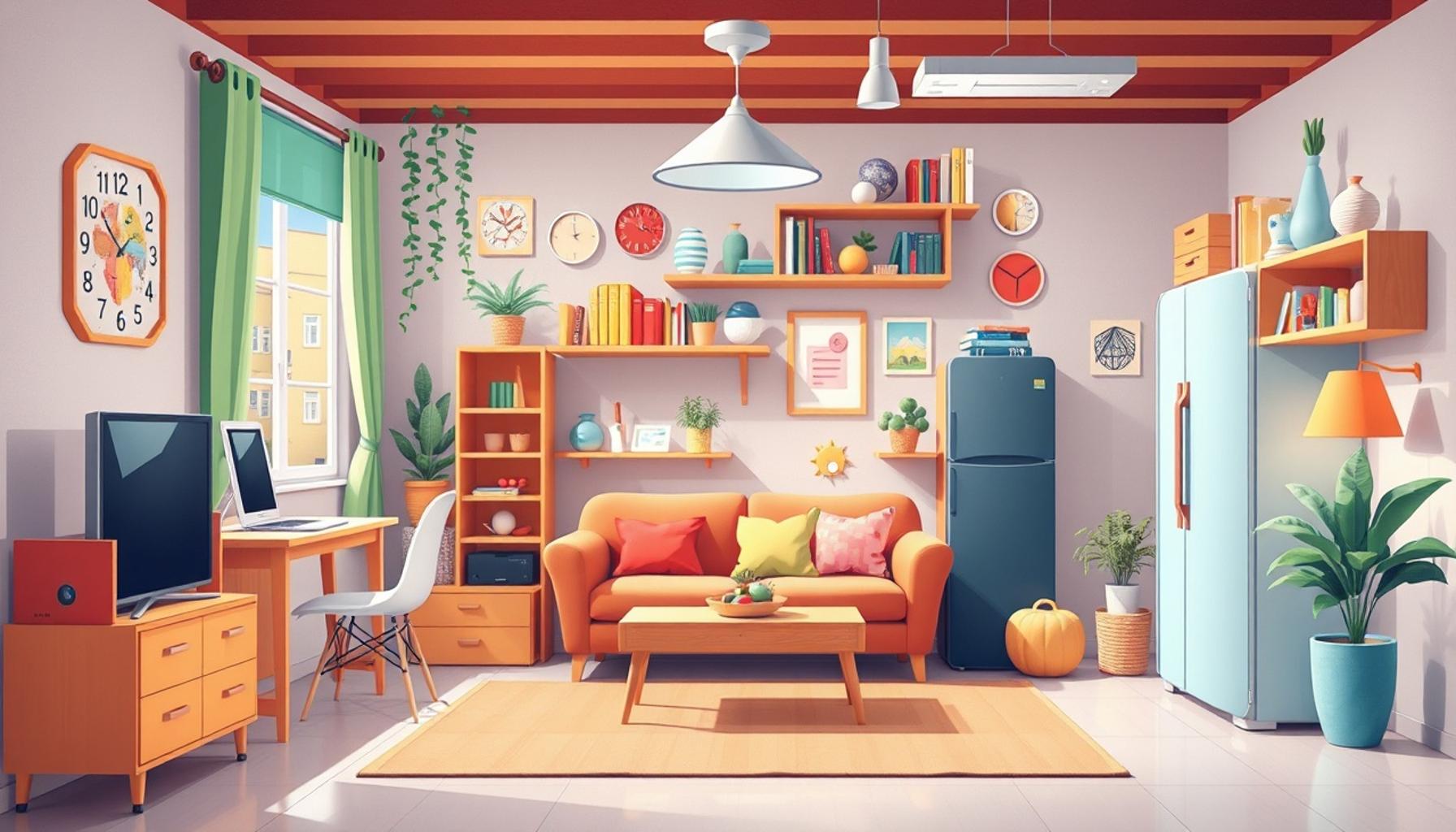
- Multi-Functionality: One of the primary strategies for spatial efficiency is the use of multi-functional furniture. Pieces that serve more than one purpose—instead of a standard table, a foldable one that doubles as a workspace—can free up vital living space. Many tiny homes incorporate furniture that transforms, such as a sofa that converts into a bed or a dining table that expands and contracts based on the number of users.
- Smart Storage Solutions: Creative storage solutions are vital for any nomadic lifestyle. From utilizing the space under beds with pull-out drawers to incorporating built-in cabinets that take advantage of vertical space, the goal is to optimize every conceivable area without overwhelming the environment. Items are often stored in hidden compartments or concealed bases to maintain a sleek look while providing essential functionality.
- Vertical Living: Making use of vertical space is an effective way to combat limitations in square footage. Lofted beds are a staple in tiny homes and mobile living, allowing residents to create an entire living area beneath them. Wall-mounted shelves and hanging storage options can also free up floor space, turning walls into effective storage canvases.
- Minimalism: The minimalist philosophy often resonates strongly with those embracing nomadic lifestyles. By reducing personal belongings to only essentials, individuals can simplify their lives and declutter their spaces. This intentional approach fosters not only a more spacious living environment but also aligns with a growing desire for sustainability and environmental responsibility.
Such strategies do more than create efficient spaces; they encourage a mindset shift towards simplicity and intentionality. When choosing a nomadic lifestyle, individuals frequently find themselves considering the true value of their possessions: do they bring joy and utility, or are they merely occupying space? As they reevaluate their belongings, many travelers find liberation in minimizing their material encumbrances.
The impact of these choices extends far beyond individual experiences. Spatial efficiency influences the overall design of communities as nomadic residents seek out urban spaces that cater to their unique needs. Co-living spaces, for example, have emerged as popular hubs for digital nomads, providing access to shared resources and fostering a sense of community among like-minded individuals. Consequently, cities may need to adapt, implementing infrastructure that welcomes these mobile citizens and invests in facilities that support transient lifestyles.
In navigating the challenges of life on the move, nomadic individuals not only redefine their own living experiences but also contribute to the evolution of modern society. Their innovative approaches to spatial efficiency underscore the potential for creativity within constraints, inviting future generations to rethink how they interact with space—whether permanent or temporary.
| Advantage | Details |
|---|---|
| Flexibility in Space Utilization | Optimizing living spaces allows for a dynamic lifestyle, adjusting easily to various locations. |
| Minimalist Living | Reduces clutter and focuses on essentials, promoting mindfulness and intentionality. |
| Cost-Efficiency | Lowers living expenses by choosing affordable locations and reducing unnecessary amenities. |
| Adaptable Designs | Innovative architectural methods create multi-functional spaces that enhance mobility. |
As we delve into the intricacies of nomadic lifestyles, an evident adaptation to the ever-changing environment is the flexibility in space utilization. This approach not only accommodates transient living situations but also encourages individuals to rethink how residential spaces can be employed, ensuring seamless transitions from one locale to another.Additionally, embracing a minimalist living philosophy is becoming increasingly popular, emphasizing the importance of owning only what is necessary. This intentionality fosters a mindful relationship with possessions and evolves the concept of home into something that transcends physical goods.Another remarkable advantage is cost-efficiency. With the freedom to choose affordable and diverse locations, those leading a nomadic lifestyle can significantly lower living expenses, thereby allowing for more experiences and adventures.Moreover, adaptable designs in housing, inspired by mobility, are revolutionizing architectural trends. The creation of multi-functional spaces caters to the diverse needs of people on the move, providing innovative solutions for everyday living. These advantages of nomadic lifestyles, rooted in spatial efficiency, uncover new possibilities for how we view home and living environments in an ever-globalized world. Each of these elements invites readers to explore how living on the move can be both sustainable and enriching.
Technology’s Role in Modern Nomadic Living
The integration of technology into nomadic lifestyles has revolutionized the concept of spatial efficiency, allowing individuals to maintain a sense of home while traversing diverse landscapes. From advanced mobile apps to smart home innovations, technology plays a pivotal role in making life on the move more manageable and fulfilling.
One of the significant advancements is the proliferation of mobile apps designed specifically for nomads. Applications that assist with everything from booking accommodations to scouting out temporary workspaces have become indispensable tools. Platforms like Airbnb and Couchsurfing have enabled travelers to find short-term housing that fits their specific needs and budgets, while co-working apps such as Workfrom help users identify comfortable places to work remotely. The accessibility of information through these platforms has drastically simplified the logistics of living on the go.
Moreover, the rise of smart technology within tiny homes and mobile living spaces allows for further optimization of spatial efficiency. Smart appliances, such as compact refrigerators that monitor energy use or space-saving cooking devices like the Instant Pot, empower nomads to manage their resources wisely. Automation—like smart thermostats and lighting—reduces energy consumption, making mobile living more sustainable and economical.
- Mobile Connectivity: One of the cornerstones of nomadic living is reliable internet access. With the advent of 5G technology and portable Wi-Fi devices, maintaining a robust connection has never been easier. This has enabled many people to embrace a digital nomad lifestyle, seamlessly blending work and travel.
- Portable Technology: Lightweight laptops, tablets, and smartphones are essential for today’s nomads. Beyond mere work tools, these devices double as entertainment centers, allowing for movies, music, and online learning, which can help ease the sense of isolation some may feel while on the road.
- Smart Organization Tools: Project management and organizational applications such as Asana, Trello, and Notion enable nomads to keep their lives organized. These tools help in managing work tasks while also balancing personal responsibilities, creating a harmonious workflow that maximizes spatial efficiency in both time and physical space.
- Health and Wellness Apps: The integration of fitness and wellness apps into a nomadic lifestyle encourages individuals to maintain a healthy balance while traveling. From guided meditation to virtual fitness classes, such platforms promote physical and mental well-being in compact living situations.
It’s important to note that while technology enhances life for modern nomads, it can also present challenges. The digital nomad lifestyle often blurs the lines between work and leisure, leading to issues such as burnout and feelings of inadequacy. Finding balance is crucial, and many nomads are increasingly turning to digital wellness strategies, emphasizing the need for periodic decompression and disconnecting from technology.
Ultimately, the incorporation of technology into nomadic living impacts not only individual lifestyles but also broader societal frameworks. As remote work and flexible living continue to become mainstream, cities and towns across the United States must reconsider their approaches to infrastructure. Public Wi-Fi hotspots, co-working spaces, and community hubs that welcome transient populations are becoming necessary components of urban development. Thus, technology not only facilitates spatial efficiency but also drives societal change, leading to more inclusive and adaptable environments for all.
Conclusion
In conclusion, the rise of nomadic lifestyles serves as a testament to humanity’s evolving relationship with space, resources, and technology. The emphasis on spatial efficiency has prompted individuals to rethink traditional living paradigms, developing innovative solutions that support a mobile existence. As we have explored, modern tools such as mobile applications, smart home technologies, and organizational resources empower nomads to optimize their environment, transforming limitations into opportunities.
The duality of this lifestyle—one that embraces freedom while often grappling with the challenges of connectivity and balance—highlights a significant cultural shift. As more people embark on this journey, cities are evolving to accommodate transient populations, integrating infrastructure that fosters community and support for nomads. This includes the establishment of co-working spaces, accessible public Wi-Fi, and community centers, which are adapting to the demands of a mobile workforce.
As we move forward, the discussion around nomadic living is essential not just for those who live it but for society at large. It invites us to reflect on how our environments can become more inclusive and mindful, promoting adaptability in the face of change. The intersection of technology, community, and lifestyle will undoubtedly continue to shape our understanding of home, space, and belonging. Exploring these themes provides an opportunity for deeper engagement and understanding of the modern world’s dynamics as we redefine our sense of place amidst constant motion.

Linda Carter is a writer and organization expert specializing in minimalism and personal organization. With extensive experience helping individuals create clutter-free, functional spaces and adopt mindful habits, Linda shares her knowledge on our platform. Her goal is to empower readers with practical advice and strategies to simplify their lives, stay organized, and achieve a sense of calm and balance in their daily routines.