
Mindful Living as a Tool for Creating Calm Spaces: Strategies for a Minimalist and Cozy Home
Creating Calm in Chaos
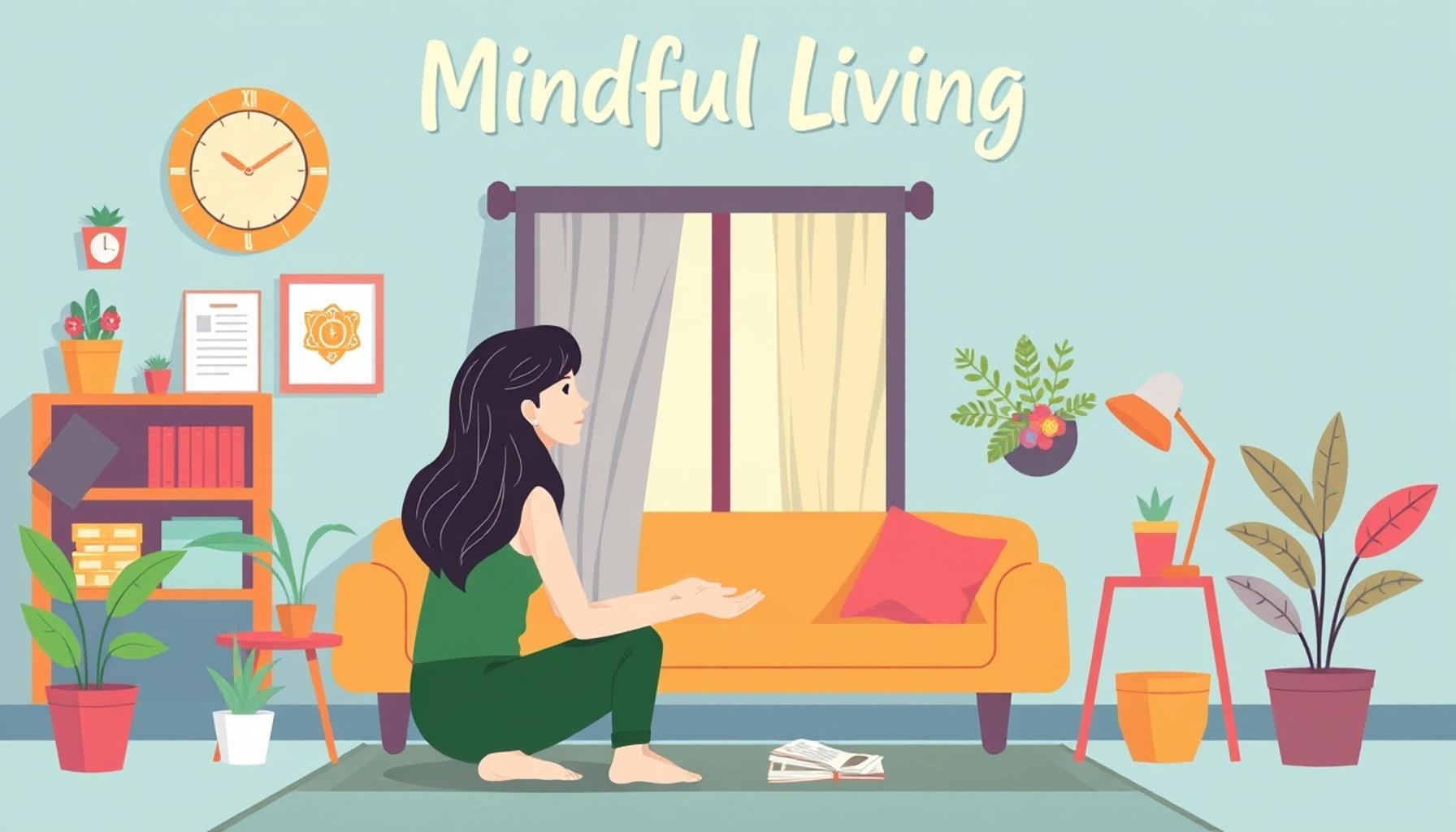
In an age where the hustle and bustle of everyday life often intrudes on our sense of peace, the pursuit of tranquility within your home becomes increasingly important. Instead of surrendering to the chaos, exploring the concept of mindful living can be transformative. This approach emphasizes a deeper awareness of our surroundings and fosters intentionality in both our environment and daily routines, enabling us to curate spaces that uplift and soothe.
Visualize your home not just as a physical space, but as a personal sanctuary—an extension of your inner life. To achieve this balance, consider these key strategies that can help guide your transformation:
- Declutter: Begin this journey by assessing your belongings. Items that no longer serve a purpose or spark joy can contribute to visual and emotional distraction. Embrace the practice of decluttering by donating or recycling items, creating a serene space free from visual chaos.
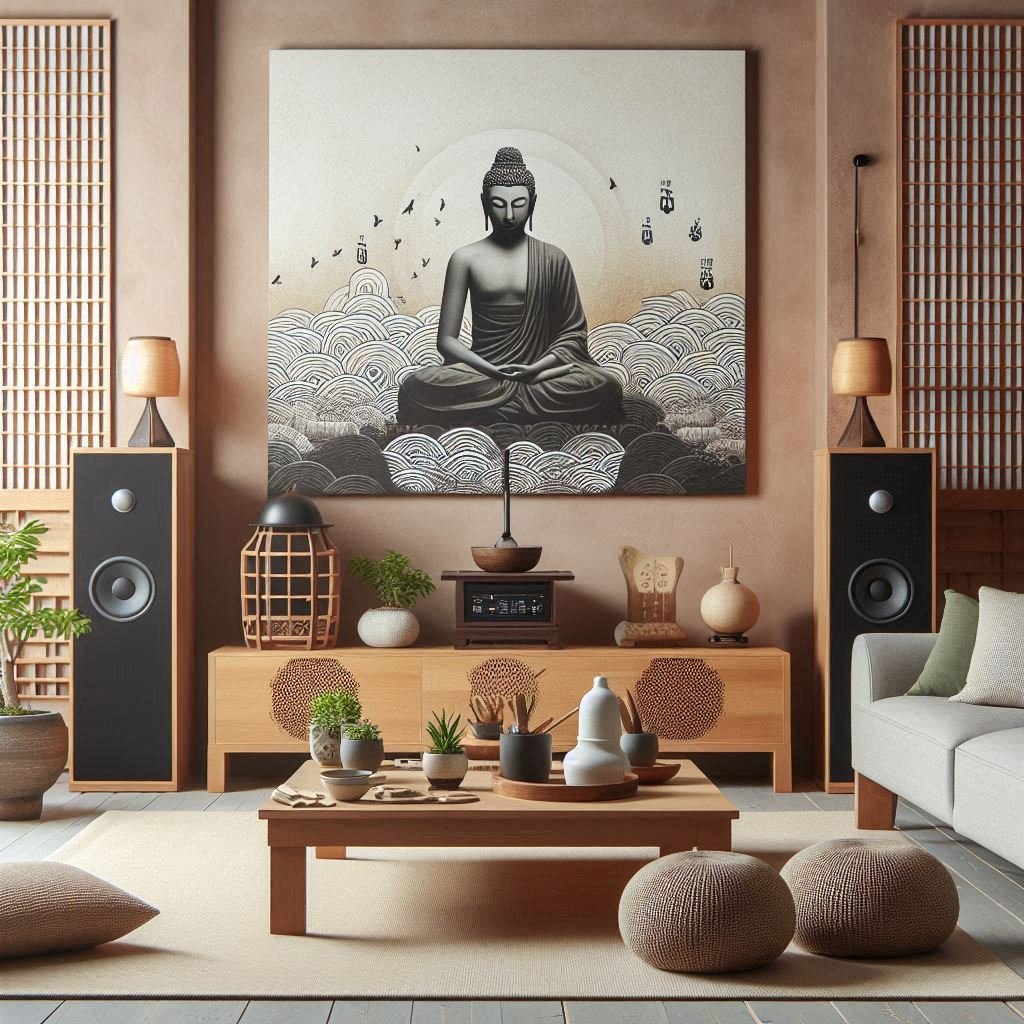
- Mindful Decor: The art and furnishings you choose can significantly impact your mood. Opt for pieces that resonate with you personally—this may include nature-inspired artwork, soothing photographs, or handcrafted items that inspire gratitude. Your décor should reflect your values and promote a sense of calm.
- Natural Elements: Introducing elements from nature into your environment can have remarkable effects on your wellbeing. Consider adding houseplants, which not only purify the air but also create a sense of vibrancy. Natural light can be equally impactful; arrange your living spaces to maximize daylight or use soft lighting to create an inviting ambiance.
- Color Psychology: The colors that dominate your space can unconsciously influence your emotions. Shades of blue and green, often associated with tranquility, can create a calming atmosphere. Experiment with different color palettes in your home and observe how various hues influence your mood throughout the day.
By adopting a minimalist philosophy, you can prioritize comfort and connection over excess. This mindset not only fosters an aesthetically pleasing environment but also cultivates mindfulness in how you interact with your space. A minimalist approach allows you to embrace the beauty of simplicity, making it easier to enjoy the serenity of your home.
Imagine stepping into a world where every corner of your home reflects your commitment to inner calm and clarity. Mindful living is more than just a trend; it is a lifestyle choice that encourages you to be present, deeply connected, and authentically you. Allow this exploration into the principles of mindful living to guide you as you embark on the journey to create a serene and cozy home—a sanctuary that nurtures your spirit and offers refuge from the chaos of the outside world. Your journey towards tranquility begins today.
Embracing Decluttering for Serenity
One of the core tenets of mindful living is the practice of decluttering—a significant first step toward cultivating calmness in your home. Over the years, the accumulation of possessions can create a mental burden, contributing to feelings of stress and anxiety. By removing unnecessary items, you not only create physical space but also clear mental pathways, facilitating a more peaceful mindset.
Consider the famous quote by Marie Kondo: “The question of what you want to own is actually the question of how you want to live your life.” This perspective motivates many to engage in meaningful decluttering. Here are some effective strategies that can help simplify this process:
- Set Clear Goals: Start with specific areas in your home that need decluttering, such as a particular room or closet. Establishing distinct objectives can keep you focused and motivated.
- One-in-One-Out Rule: To prevent future clutter, adopt the simple rule of removing one item for every new item you bring into your space. This ensures that you remain mindful of your consumption habits.
- Time Constraints: Allocate a fixed amount of time, such as 15-30 minutes, for decluttering sessions. Short bursts of focused activity can lead to significant progress without feeling overwhelming.
- Emotional Attachment Assessment: Reflect on your emotional connections to belongings. Items that trigger frustration or sadness should be considered for removal, while those that evoke positive memories may be worth keeping.
This decluttering effort extends beyond merely cleaning out your space; it enhances mindfulness by involving intentional choices about what you bring into your life. Every item you retain should serve a purpose or bring genuine joy, which aligns perfectly with the philosophy of minimalism.
Mindful Decor and Personal Expression
After decluttering, the next step is to thoughtfully curate your home’s decor. Mindful decor not only enhances aesthetic appeal but also contributes to a sense of comfort and belonging. Each piece you choose should resonate with your values and heighten your spirit. Here are some elements to keep in mind when selecting decorations for a cozy and serene environment:
- Meaningful Artwork: Integrate art that tells a story or evokes positive emotions. Consider local artists or handmade crafts that reflect your community and contribute to a sense of connection.
- Functional and Aesthetic Furniture: Invest in furniture that balances style and practicality. Look for pieces that are not only beautiful but can also be easily maintained and inspire functionality in your space.
- Incorporate Textiles: Soft furnishings such as cushions, throws, and area rugs can significantly enhance the coziness of a room. Opt for natural materials like cotton or linen that create an inviting atmosphere.
- Small Touches: Incorporate elements like candles, essential oil diffusers, or artisanal pottery that connect with the senses, evoking tranquility and warmth in your daily life.
Ultimately, the essence of mindful living in creating calm spaces resides not only in physical organization but also in curating an environment that reflects your inner self. By embracing intentional choices in your home decor, you create a space that nurtures serenity while allowing personality to shine through.
| Advantage | Description |
|---|---|
| Enhances Mindfulness | Incorporating mindful living practices aids in cultivating a deeper awareness of one’s environment, reducing stress and promoting tranquility. |
| Encourages Clarity | A minimalist home fosters a clutter-free atmosphere that encourages clarity of thought, fostering higher levels of productivity and creativity. |
Mindful living strategies can be integrated into various aspects of home decor and organization. For instance, adopting a minimalist design not only simplifies the aesthetic but also allows individuals to focus on what truly matters. This can include selecting furniture that serves multiple purposes or choosing decor pieces that hold personal significance. Beyond aesthetics, these practices cultivate a sense of peace and comfort, which is essential in today’s fast-paced world. Engaging in practices such as decluttering regularly or creating a dedicated relaxation nook can enhance personal well-being profoundly. Strong connections to one’s living environment are pivotal in establishing safe havens that promote relaxation and serenity. By understanding the intertwined relationship between mindfulness and minimalist living, individuals can create spaces that reflect their values and aid in emotional health. This journey emphasizes that a calm home reflects a calm mind, leading to a harmonious lifestyle.
Cultivating a Calm Atmosphere Through Mindful Practices
Once you have decluttered and thoughtfully decorated your home, the next crucial step in fostering a serene space is implementing mindful practices that enhance your daily experience. These practices focus on creating a tranquil atmosphere that calms the mind and nourishes the spirit. Some strategies to consider include:
- Mindful Breathing Spaces: Designate specific areas in your home where you can practice mindfulness or meditation. This could be a cozy nook by a window filled with natural light, or a corner adorned with plants. Incorporating elements, such as cushions or a meditation mat, can further promote relaxation and focus.
- Natural Elements: Research suggests that exposure to nature significantly improves mental health. Bringing in plants not only purifies the air but also establishes a deeper connection to the environment, instilling a sense of peace. Choose low-maintenance varieties like succulents or snake plants if you’re new to indoor gardening.
- Mindful Lighting: The right lighting can dramatically alter the mood of your home. Favor soft, warm lighting over harsh fluorescents, which can be jarring and unsettling. Consider using dimmer switches, lamps with soft bulbs, or natural lighting by keeping windows unobstructed to create a soothing ambiance.
- Soundscapes for Serenity: Sound plays a pivotal role in establishing a calming environment. Incorporate gentle sounds through soft music, nature sounds, or even a small indoor water feature. These auditory elements can aid in stress reduction, enhancing the tranquility of your space.
As you create these mindful features, it’s essential to infuse your daily routine with moments of mindfulness. Simple activities such as sipping tea, journaling, or practicing yoga can help maintain a positive atmosphere within your home.
Emphasizing Simplicity with Functional Spaces
Another key aspect of achieving a minimalist and cozy home involves maximizing functionality without compromising on style. This can be effectively accomplished with smart organization and intentional design choices:
- Multi-Functional Furniture: Invest in furniture that serves dual purposes, such as a stylish ottoman that doubles as storage or a sofa bed for accommodating guests. Such pieces not only minimize clutter but also enhance the room’s aesthetic appeal.
- Open Spaces and Flow: Maintain a sense of flow in your home by keeping walkways clear and arranging furniture to promote easy movement. Open spaces cultivate a sense of freedom and tranquility, making your environment feel inviting and less congested.
- Smart Storage Solutions: Utilize vertical space with shelves or built-in storage, allowing floor space to breathe. Hidden compartments in furniture can also help keep essentials organized while maintaining a clean look.
- Color Palettes and Textures: Choose calming color palettes—think soft blues, greens, and neutral hues that evoke a sense of tranquility. Layer different textures, such as a plush throw over woven furniture, to add depth and comfort to your environment.
As you implement these strategies for a minimalist and cozy home, remember that mindful living is about creating a personalized space. Each choice should cater to your sense of well-being, making your home not just a location, but a haven of calm and contentment. Embracing these principles will ultimately transform your living environment into a sanctuary that reflects peace and mindfulness in every corner.
Conclusion
In summary, adopting mindful living as a tool for creating calm spaces is an empowering approach to cultivating a minimalist and cozy home. By embracing intentionality in our design choices and daily routines, we can transform our surroundings into sanctuaries that evoke tranquility and peace. The strategies detailed in this article—from creating mindful breathing spaces to integrating natural elements and maintaining an uncluttered environment—provide a roadmap to achieving this goal.
The benefits of a serene home extend beyond aesthetics; they positively impact our mental well-being, fostering a sense of balance amidst the chaos of modern life. When we prioritize simplicity and functionality, we not only beautify our spaces but also enhance our ability to navigate daily stressors with grace. Choosing calming color palettes, investing in multi-functional furniture, and utilizing soundscapes can further deepen our connection to this mindful living approach.
As you integrate these practices into your home, remember that mindful living is indeed a personalized journey. Each choice you make should resonate with your unique needs and aspirations, creating an inviting atmosphere where you can recharge and reflect. Let your home evolve into a sanctuary of calm—a place that not only shelters you but nourishes your spirit and fosters a sense of inner peace.

Linda Carter is a writer and organization expert specializing in minimalism and personal organization. With extensive experience helping individuals create clutter-free, functional spaces and adopt mindful habits, Linda shares her knowledge on our platform. Her goal is to empower readers with practical advice and strategies to simplify their lives, stay organized, and achieve a sense of calm and balance in their daily routines.