How Task Management Apps Can Boost Your Daily Productivity
Unlocking Your Potential with Task Management Apps
In today’s fast-paced world, staying organized can feel like a daunting challenge. Enter task management apps, a revolutionary tool designed to help individuals maximize their efficiency and streamline their daily activities. With numerous options available, these apps offer varying features that cater to diverse workflows, making them indispensable for both personal projects and professional endeavors.
One of the standout features of many task management apps is prioritization. Users can easily rank tasks by urgency or importance, helping them focus on what truly matters. For example, an employee juggling multiple deadlines can quickly see which tasks require immediate attention, ensuring critical projects are completed on time. This ability to triage tasks not only boosts productivity but also alleviates the anxiety that comes with overwhelming workloads.
Another essential aspect of these apps is their ability to facilitate collaboration. In an increasingly remote work environment, sharing tasks with team members has become more crucial than ever. Many apps allow users to assign tasks, set deadlines, and even comment on specific projects, enabling seamless communication. This feature fosters teamwork and ensures everyone stays on the same page, which is vital for maintaining momentum in group projects.
Time tracking is yet another valuable function of task management apps. By monitoring how long tasks take, users can identify areas for improvement and adjust their schedules accordingly. This feature not only helps in recognizing inefficiencies but also encourages better time management practices. For example, a student who tracks study sessions may discover that they are most productive in the early morning, prompting them to adjust their study schedule to maximize effectiveness.
Research indicates that utilizing a task management app can significantly improve your productivity. According to a study conducted by the American Psychological Association, individuals who use these tools report feeling more in control of their workloads and less stressed. The structured approach of breaking down tasks into manageable pieces can transform the way people tackle their daily responsibilities.
Imagine being able to:
- Reduce missed deadlines by having a clear view of your upcoming commitments.
- Minimize distractions by focusing solely on current tasks instead of juggling numerous to-dos in your mind.
- Achieve your goals more efficiently by tracking progress and celebrating small wins along the way.
Task management apps not only help in organizing your tasks but also play a crucial role in enhancing focus and clarity. As you explore these tools, you’ll discover how they can transform your daily routine and elevate your overall productivity. They offer a blend of structure and flexibility, making them suitable for various lifestyles—whether you are a busy parent managing household chores, a student juggling school projects, or a professional aiming to streamline daily operations.
With an extensive range of task management apps available, including popular options like Trello, Asana, and Todoist, the possibilities to optimize your workflow are virtually limitless. Each app brings its unique set of features, catering to different styles of task management. As the demand for productivity tools continues to grow, embracing these apps may very well be the key to unlocking your full potential.
DIVE DEEPER: Click here for insights on effective usability testing
Transforming Your Workflow: The Power of Task Management Apps
As the demand for efficiency increases, individuals and teams are constantly seeking innovative solutions to enhance their productivity. Task management apps serve as vital tools in this quest, offering a structured approach to managing tasks and responsibilities. One of the key benefits these applications provide is the ability to create clear and structured task lists, which prevent confusion and set a roadmap for accomplishments. By breaking down larger projects into smaller, actionable steps, users can focus on completing one task at a time, which not only simplifies their workload but also fosters a sense of achievement as each task gets completed.
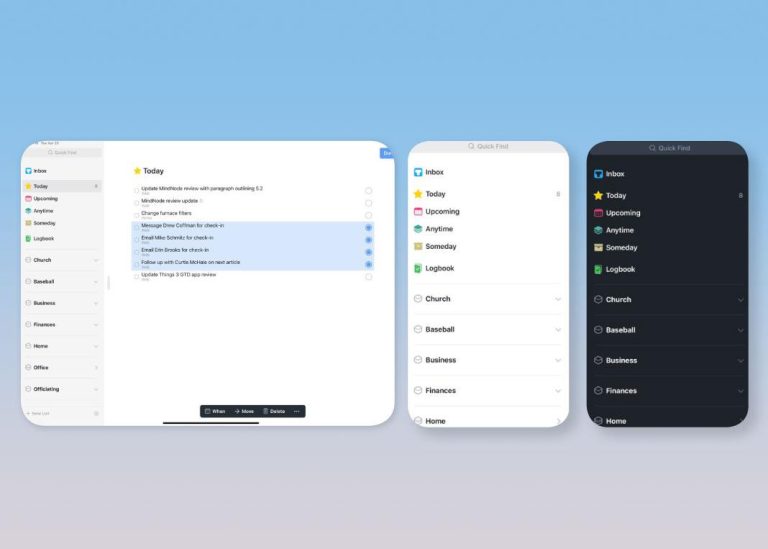
Another significant advantage of task management apps is their customizability. Users can tailor their interfaces and project categories to reflect their unique preferences and work styles. This level of personalization can have a profound impact on motivation, as it allows individuals to visualize their progress and celebrate their achievements in a way that resonates personally. Whether you prefer a minimalist design, color-coded tasks, or a Kanban board layout, these apps cater to different tastes, ensuring that you stay engaged while managing your workload.
The integration of reminders and notifications further amplifies the effectiveness of task management tools. Users can set deadlines, receive alerts for upcoming tasks, and even automate reminders for recurring assignments. This feature is particularly useful for busy professionals or students who may easily overlook important dates amidst a sea of responsibilities. The ability to receive timely notifications helps cultivate discipline and ensures that tasks are completed promptly, significantly reducing the chances of missing critical deadlines.
Moreover, task management apps often come equipped with analytic tools that allow users to track their productivity trends over time. By analyzing task completion rates, duration spent on various activities, and overall productivity, individuals can identify personal patterns and adjust their work habits accordingly. For instance, a freelancer might discover that they tend to be more productive during afternoon hours, prompting them to schedule their most demanding tasks during that time frame.
According to a recent study by the Project Management Institute, organizations that adopt digital project management tools see a significant boost in their project success rates. Implementing task management apps can lead to a 20% increase in team productivity, highlighting the correlation between structured task management and effective delivery of work. This correlation emphasizes the necessity of adopting such tools, whether for managing daily tasks or larger projects.
Ultimately, task management apps empower users to:
- Visualize their workload clearly, reducing clutter and confusion.
- Enhance accountability by tracking deadlines and responsibilities.
- Boost motivation through progress tracking and customizable layouts.
The immediate accessibility of these features sets task management apps apart, allowing users to harness their time effectively and streamline their work processes. As technology continues to evolve, embracing these digital tools will be integral to enhancing productivity and achieving personal and professional goals.
Key Features of Task Management Apps
In today’s fast-paced environment, maximizing productivity is essential. Task management apps have revolutionized the way individuals and teams handle their workload. These applications offer a variety of features designed to streamline tasks and enhance efficiency.
| Category | Benefits |
|---|---|
| Task Prioritization | Helps in identifying urgent tasks to focus on for the day, enhancing productivity by reducing distractions. |
| Time Tracking | Provides insights into how time is allocated, enabling users to adjust their habits for greater efficiency. |
| Collaboration Tools | Facilitates seamless communication among team members, ensuring all are aligned and aware of responsibilities. |
| Progress Tracking | Allows users to visualize their progress on projects, driving motivation and accountability. |
Employing these features can lead to substantial improvements in daily performance. By harnessing the power of task management apps, individuals can not only gain clarity over their tasks but also cultivate a disciplined approach to work that inevitably leads to higher productivity levels.
The Cold Hard Facts
Studies have shown that organizations implementing task management software can see up to a 20% increase in productivity, demonstrating how essential these tools have become in an ever-demanding marketplace. Furthermore, as employees become more engaged with their tasks, overall job satisfaction also tends to improve, creating a positive feedback loop of productivity and morale.
EXPLORE MORE: Click here to enhance your usability testing skills
Collaboration and Communication: A Unified Approach
Beyond personal productivity, task management apps excel in fostering collaboration among teams, which is particularly vital in the modern workplace that often embraces remote work. The collaboration features embedded in these apps allow teams to communicate more effectively, share essential documents, and delegate tasks without the usual back-and-forth that can drain time and resources. By centralizing project-related discussions within the app, team members can reference previous conversations, avoiding the confusion that often arises from scattered emails and messages.
For instance, many task management applications integrate features such as real-time collaboration, where multiple users can update, edit, and comment on tasks simultaneously. This immediate feedback loop not only accelerates the project timeline but also fosters a sense of camaraderie within teams, as everyone is engaged in a shared goal. Furthermore, these applications frequently include features such as @mentions or comments, allowing users to tag colleagues on specific tasks, ensuring that everyone remains aware of their responsibilities and contributions.
Another remarkable aspect is their file sharing capabilities. Users can attach documents, images, or links directly to tasks. This streamlining of resource sharing eliminates the cumbersome task of sifting through emails to locate necessary files. Imagine being able to access project briefs, design drafts, or presentation materials in one convenient location—this not only saves time but also significantly reduces the chance of errors that could arise from using outdated versions of documents. As a result, teams can stay aligned and focused on their goals without the added chaos that often accompanies miscommunication.
Task management apps also offer integration with other software tools, creating a seamless workflow. For example, whether you are syncing with calendar applications to ensure that deadlines are visible or utilizing integration with accounting software for invoicing tasks, these integrations enhance productivity by allowing users to work within a cohesive ecosystem. Such compatibility reduces the stress of juggling multiple applications, as users can work in one central hub to manage their tasks, schedules, and communications.
Moreover, the adaptability of these apps extends to user analytics, helping teams understand their workflow better. Many task management tools provide insights on how long tasks typically take, which areas often face bottlenecks, and the overall team productivity levels. By examining this data, teams can allocate resources more efficiently and implement timely adjustments, creating a more responsive work environment. As an example, a development team may notice that certain phases of their project consistently run behind schedule, prompting them to assess their processes and make necessary changes before it impacts future deadlines.
Engaging with task management applications not only unlocks individual productivity but also invites a level of collective efficiency that can propel organizations forward. The combination of enhanced communication, streamlined document sharing, and robust analytics creates a rich framework for collaboration that is truly transformative. In a world where adaptability is key, leveraging these apps equips teams with the tools necessary to navigate the complexities of modern projects effectively.
DISCOVER MORE: Click here to learn about effective usability testing
Conclusion: Unlocking Your Productivity Potential
In today’s fast-paced world, the quest for enhanced productivity often feels overwhelming. However, task management apps have emerged as a revolutionary solution that can radically transform how individuals and teams approach their work. By leveraging key features such as real-time collaboration, streamlined communication, and robust analytics, these applications serve not only to increase individual output but also to bolster team performance. The capacity to integrate with various software tools creates a unified ecosystem where users can manage their tasks, schedules, and documentation seamlessly.
Moreover, the data-driven insights provided by many of these apps allow users to identify inefficiencies and adapt workflows accordingly, ultimately leading to higher levels of productivity. Whether you’re a busy professional balancing multiple projects or a team leader striving to enhance collaboration, task management apps are invaluable assets in fostering a thriving work environment.
As businesses continue to adapt to the fluid nature of the modern workplace, embracing these technological tools can be the key to not only maintaining productivity but also unlocking new levels of efficiency and innovation. For those looking to elevate their daily productivity, exploring and fully utilizing task management applications could well be the game-changer. With endless possibilities waiting to be discovered, now is the time to take action and embark on your journey towards a more productive and organized future.

Beatriz Johnson is a seasoned tech writer and digital tools expert with a passion for simplifying the complexities of technology and mobile applications. With over a decade of experience in the tech industry, she specializes in topics like productivity apps, software reviews, and emerging digital trends. Through her work, Beatriz empowers readers to make informed technology choices and stay ahead in the ever-changing world of apps and innovation.