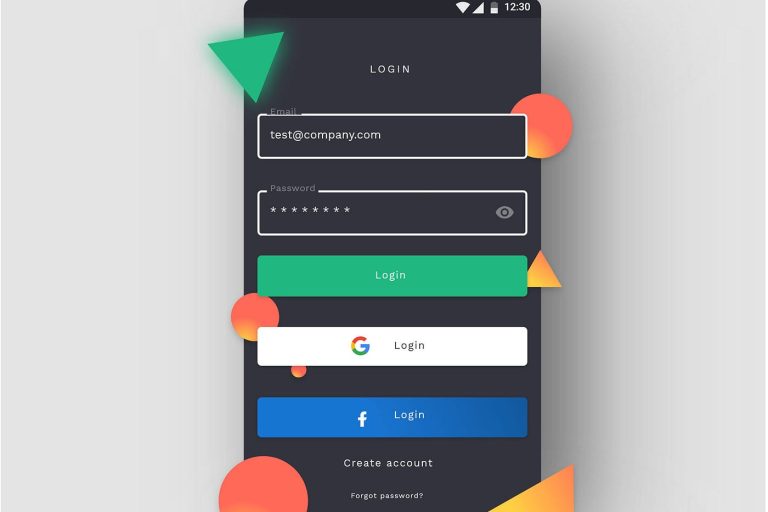

How Inclusive Design Enhances User Experience in Apps
Understanding Inclusive Design
In an increasingly digital world, the principle of inclusive design has emerged as a key area of focus. This concept transcends simple adherence to accessibility laws; it is a comprehensive approach that acknowledges and addresses the diverse needs of all users. By adopting inclusive design, developers create digital environments that welcome everyone, including those with disabilities, significantly enhancing the user experience for all individuals.
The Impact of Inclusive Design
Designing apps with inclusivity in mind often results in heightened user satisfaction and engagement. Companies that prioritize inclusive design see a variety of benefits, including:
- Wider Reach: By making apps accessible to a broader range of demographics, such as seniors, people with visual or auditory impairments, and individuals with cognitive differences, developers can tap into new markets. For instance, a study conducted by the World Health Organization estimates that over 1 billion people worldwide live with some form of disability, which is a significant portion of potential app users.
- Enhanced Usability: Thoughtfully considering different user scenarios—such as those using screen readers, speech recognition software, or alternative input devices—can refine navigation and functionality. For example, including clear labeling and easy-to-understand instructions can make an app more user-friendly for all.
- Increased Loyalty: When users find that an app meets their needs and provides a seamless experience, they are more likely to stay loyal to that platform. Companies like Microsoft and Apple, which have embraced inclusive design principles, often demonstrate higher customer retention rates due to user satisfaction.
Features such as voice commands, customizable interfaces, and well-structured visual elements can significantly enhance usability. Research has also shown that inclusive design positively impacts business profits, prompting organizations to rethink their design strategies from the ground up. McKinsey & Company revealed that companies committing to diversity and inclusion outperform their less inclusive counterparts, showing a direct correlation between inclusivity and profitability.
Moving Forward
As more organizations recognize the importance of inclusive design, there is a notable shift in how digital products are conceived and developed. This article will delve into essential strategies along with compelling real-world examples that demonstrate how inclusive design not only fulfills legal obligations but also serves as a powerful driver of innovation in app development. Companies that integrate these principles into their frameworks are not only addressing compliance but setting themselves apart in an increasingly competitive market.
In conclusion, the adoption of inclusive design is not just an ethical obligation; it is a strategic advantage that enhances user experience, broadens market reach, and fosters brand loyalty. As technology evolves, the focus on inclusivity can lead to innovations that benefit not just marginalized groups but the entire user base, paving the way for a more accessible future in digital spaces.

LEARN MORE: Click here to discover effective usability testing techniques
Principles of Inclusive Design in App Development
At the core of inclusive design lies a fundamental understanding of crafting experiences that resonate with the vast array of users present in today’s society. By employing a user-centered methodology, developers can create apps that transcend traditional boundaries and cater to the needs of diverse populations. Utilizing techniques such as personas and user testing with various demographic groups allows for a comprehensive grasp of how different individuals interact with technology.
Key Principles to Implement
To effectively integrate inclusive design into app development, certain key principles should be embraced:
- Diverse User Research: Engaging users from various backgrounds—including people with disabilities—during the research phase unveils invaluable insights. This research should inform every aspect of the app, from its features to its aesthetic. For instance, insights from individuals who rely on screen readers can direct developers to create more navigable interfaces.
- Flexible and Adaptable Design: Apps should be designed with flexibility in mind, allowing users to tailor their experiences according to their specific needs. Such adaptability might involve adjustable text sizes, themes with high contrast, or voice command functionalities that accommodate those with fine motor skill disabilities.
- Clear and Concise Content: Language is a powerful tool, and using straightforward, user-friendly language can help users of varied literacy and cognitive levels navigate apps with ease. Clear instructions, concise prompts, and thoughtful labeling not only aid those with cognitive differences but also enhance overall comprehension for all users.
- Iterative Testing: It is crucial for developers to conduct ongoing testing with diverse user groups throughout the app’s lifecycle. Feedback loops allow for the identification of potential barriers before they reach the end consumer, ensuring that the app remains inclusive and user-friendly.
The integration of these principles establishes a robust framework that aligns with the concept of inclusive design. The Social Model of Disability emphasizes the need to shift the focus from individual limitations to the societal barriers that hinder access. When apps are designed inclusively, developers not only empower users but also foster environments that celebrate diversity.
Real-World Success Stories
Several prominent companies have effectively utilized inclusive design principles to enhance their apps and user experiences. For example, Google‘s Android operating system incorporates in-depth accessibility features, such as TalkBack, that provide spoken feedback, allowing individuals with visual impairments to navigate their devices effectively. Similarly, Netflix has embraced inclusive design by offering audio descriptions and subtitles in multiple languages, ensuring that everyone can enjoy their content, irrespective of hearing or language barriers.
As these examples demonstrate, embracing inclusive design is not merely about compliance with standards; it is about fundamentally reshaping how we perceive and interact with technology. By prioritizing inclusivity, app developers pave the way toward a more equitable digital landscape where every user feels valued and empowered.
Understanding the Importance of Inclusive Design
Inclusive design goes beyond the basics of accessibility; it is a philosophy that addresses the diverse needs of users. By implementing inclusive design principles, app developers not only comply with legal standards but also pave the way for enhanced user engagement and satisfaction. Users appreciate a product that recognizes their unique requirements, thus fostering a deeper emotional connection with the technology. Developers can utilize various strategies to facilitate inclusivity, such as conducting user research that includes a diverse participant pool. This approach helps in identifying pain points from different perspectives and creating solutions that cater to all. Furthermore, the integration of adaptable features, such as adjustable text sizes, color settings, and voice commands, significantly contributes to a seamless experience for users with different preferences and abilities.Another vital aspect of inclusive design is the emphasis on user feedback. Continually iterating an app based on user experiences ensures that the product evolves along with its audience. By welcoming suggestions and offering customizable features, app designers can create a unique space for users, making them feel heard and valued.
Table of Advantages of Inclusive Design
| Category | Key Aspects |
|---|---|
| Increased Accessibility | Integrated features for users with disabilities enhance engagement. |
| User Empowerment | Customizable settings give users control over their experience. |
Inclusive design is not just about compliance; it’s about making technology work for everyone. Apps that prioritize inclusive design principles can capture a broader audience, leading to greater user retention and satisfaction. By digging deeper into understanding diverse user needs, developers are poised to create memorable user experiences that resonate on a personal level. As society becomes increasingly reliant on technology, the demand for inclusively designed apps will only continue to grow, making it essential for developers to stay ahead of the curve.
LEARN MORE: Click here for in-depth insights
Understanding the Impact of Inclusive Design on User Engagement
Inclusive design not only benefits users with disabilities but also enhances the overall user experience for everyone. The advantages reach beyond mere accessibility; they create applications that better engage all users and foster a sense of community, thereby driving app adoption and retention rates.
Widening the User Base
By embracing inclusive design principles, developers can tap into previously underserved markets, thus expanding their user base. For instance, according to a report from the Babson College, around 57 million adults in the United States live with disabilities. This significant segment represents a potential audience that can dramatically boost an app’s usage when products cater to their needs. Furthermore, people who do not identify as having a disability have also voiced interest in accessibility features. For example, features such as voice commands or easy navigation benefit busy parents or individuals multitasking, enhancing the user experience for everyone.
Creating a Positive Brand Image
When companies prioritize inclusive design, they cultivate a positive brand image that resonates with consumers. Today’s customers are more conscious of social responsibility and prefer brands that demonstrate inclusivity and empathy. A study by Simon-Kucher & Partners revealed that 65% of consumers are willing to pay more for a product from a company dedicated to social causes. Therefore, an inclusive app not only serves a utilitarian purpose but also enhances the company’s reputation and marketability.
Boosting User Satisfaction and Loyalty
Inclusive design fosters user satisfaction because it reflects a fundamental understanding of user needs. Apps that account for various preferences and contexts improve user retention rates. The Gartner Group highlighted that high usability scores correlate with increased customer satisfaction and loyalty. Moreover, as users are inclined to revisit applications that address their unique needs, this directly impacts a company’s bottom line. By crafting experiences where every user feels comfortable and capable, developers incentivize continued engagement and brand loyalty.
Encouraging Innovation Through Collaboration
The journey to inclusivity often leads to innovative features and functionalities ideated through a collaborative process. When developers engage with diverse user groups, they uncover unique use cases and alternative solutions to common design challenges. This collaboration often results in novel ideas that can enhance not only the accessibility but also the overall functionality of an app. As noted in a study by the Institute for Human-Centered Design, fostering collaboration among teams that integrate inclusive design principles produces improved product solutions that resonate with a broader audience.
Integrating inclusive design into the app development process is more than just an ethical obligation; it strategically enhances user experience and fosters a culture of innovation. This in turn leads to higher engagement, satisfaction, and ultimately drives business success. As we continue to navigate a technology-driven world, adopting inclusive design practices will become essential, ensuring that all users, regardless of their abilities, can confidently interact with digital platforms.
DISCOVER MORE: Click here for insights on effective usability testing
Conclusion: The Promise of Inclusive Design in App Development
In summary, inclusive design serves as a critical framework that not only addresses the needs of users with disabilities but also enhances the overall user experience for everyone. By expanding the user base and fostering a more engaging environment, companies are likely to see greater adoption and retention of their applications. The potential market of over 57 million adults in the United States living with disabilities underscores the importance of accessible features and functionalities.
Furthermore, embracing inclusive design elevates brand perception, as today’s consumers increasingly favor businesses that embody social responsibility and inclusivity. A study showing that 65% of consumers are willing to pay more for socially conscious brands highlights the commercial advantages of this approach. As companies invest in user-centered design, they not only boost their reputations but also cultivate customer loyalty.
In addition, the collaborative nature of inclusive design drives innovation, pushing developers to explore new ideas that enhance app functionalities. Engaging with diverse user groups helps uncover unique needs, fostering an environment rich in creativity and problem-solving.
As the digital landscape continues to evolve, prioritizing inclusive design will ensure that all users can interact seamlessly with applications, creating a better, more equitable user experience. In an era defined by rapid technological advancement, inclusivity isn’t just a feature; it’s an essential strategy for sustainable success in app development. By committing to inclusive design principles, companies can lead the way in crafting digital experiences that truly resonate with every user.

Beatriz Johnson is a seasoned tech writer and digital tools expert with a passion for simplifying the complexities of technology and mobile applications. With over a decade of experience in the tech industry, she specializes in topics like productivity apps, software reviews, and emerging digital trends. Through her work, Beatriz empowers readers to make informed technology choices and stay ahead in the ever-changing world of apps and innovation.