How Gamification Can Transform User Experience in Apps
Understanding the Mechanisms of Gamification
In an era dominated by rapid technological advancements and ever-distracting digital content, it has become imperative for app developers and businesses to find novel ways to engage users. With over 3.2 billion smartphone users globally, capturing the attention of these individuals is a complex task. This is where gamification comes into play, strategically applying game-like elements to enhance user experience in non-gaming contexts.
From casual gaming applications to serious tools aimed at education and professional development, gamification is not just a trend but a transformative approach that is reshaping user interactions. Understanding its key components can illuminate how businesses can better connect with their audiences.
Increased Engagement
One of the most promising benefits of gamification is the ability to increase engagement. Traditional tasks like completing surveys or learning a new skill can often feel tedious to users. However, introducing elements such as scoring systems, challenges, and interactive modules can turn these experiences into thrilling adventures. For example, platforms like Kahoot! allow educators to create engaging quizzes that foster student participation through game-like formats, making learning not only fun but also highly effective.
Enhanced Motivation
People are inherently motivated by rewards. This psychological principle is central to gamification, which harnesses enhanced motivation by providing tangible incentives. Users can earn points, unlock badges, and climb leaderboards, reinforcing their desire to return and interact with the platform. Apps such as <strong MyFitnessPal use this approach to help users track their health and fitness goals, enabling them to earn digital rewards for maintaining consistent habits.
Improved Retention
Retention is another critical aspect of user experience that gamification significantly impacts. According to various studies, apps that successfully incorporate gamified features can boast improved retention rates by keeping users engaged and invested in their progress. For instance, the educational app Quizlet not only allows users to create flashcards, but it also gamifies the learning process, encouraging users to come back regularly to study and test their knowledge through quizzes that simulate game scenarios.
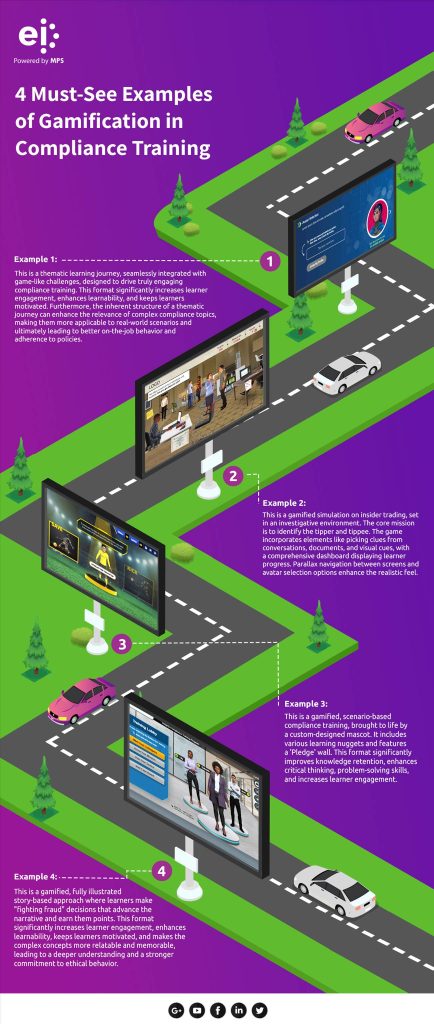
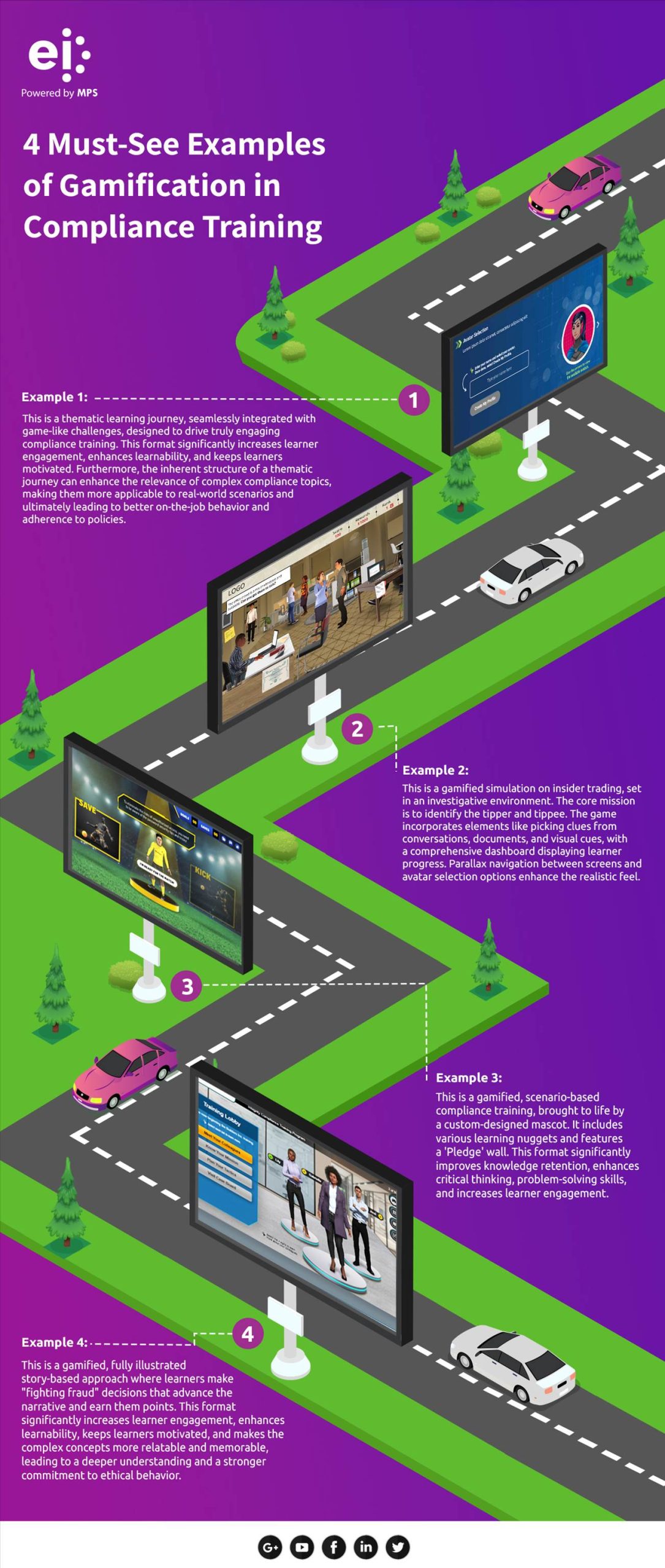
Moreover, enterprises are increasingly recognizing the potential of gamification in employee training programs. Companies like Google and Deloitte have adopted gamified training solutions that promote active learning and enhance employee engagement—turning what was once a chore into a captivating journey of discovery.
As we explore the fascinating world of gamification, it becomes clear that integrating these concepts into app design and user interaction not only renders experiences more enjoyable but also impacts engagement metrics and overall success. The declining attention spans necessitate this shift in how we present information, compelling both developers and businesses to investigate and harness the dynamic potential of gamification in every sector.
DIVE DEEPER: Click here to discover effective usability testing strategies
The Impact of Gamification on User Engagement
As businesses race to capture the attention of users in a saturated digital landscape, the implementation of gamification emerges as a powerful tool to amplify user experience and satisfaction. By integrating game mechanics into apps, organizations can create compelling experiences that resonate with users on a deeper level. But what are the underlying principles that contribute to this transformation?
Key Elements of Gamification
To fully appreciate how gamification can reshape user interactions, one must first understand its core elements that foster engagement and motivation. Key components include:
- Points and Scores: Users accumulate points for completing tasks or reaching milestones, offering immediate feedback and a sense of achievement.
- Badges and Achievements: Visual symbols of success provide a tangible recognition of users’ efforts, inspiring them to strive for further accomplishments.
- Leaderboards: Competing against others or comparing personal scores fosters a sense of rivalry and community, encouraging regular participation.
- Challenges and Quests: Engaging users through specific tasks or missions creates a narrative that enhances the overall experience, providing goals to aim for.
Creating Immersive Experiences
Gamification not only draws users in but also creates immersive experiences that resonate with their aspirations. Many successful applications leverage this strategy to maintain user interest. For instance, fitness apps like Strava go beyond simple tracking by encouraging users to compete in challenges and share their progress with friends. This not only motivates users to maintain their fitness goals but creates a community that bolsters accountability.
In educational environments, gamified apps like Duolingo utilize interactive language learning tactics that incorporate point systems, levels, and daily challenges. By allowing users to earn rewards as they progress, Duolingo transforms the mundane task of learning a new language into an engaging, game-like endeavor. Studies have shown that users who experience gamification in learning platforms report increased enjoyment and retention of knowledge.
The Benefits of Gamification Beyond Engagement
The effects of gamification extend beyond mere engagement. It can lead to enhanced user loyalty, as the rewarding nature of gamified experiences encourages users to return repeatedly. Moreover, businesses can benefit from the data-driven insights gained through user interactions. By tracking progress and preferences, organizations can tailor their offerings, further optimizing the user experience. For example:
- Tracking engagement metrics can identify which features resonate most with users, guiding future enhancements.
- User feedback collected through interactive surveys can reveal areas for improvement, creating a feedback loop that fosters innovation.
- Dynamic goal-setting based on user behavior allows for personalized experiences that increase satisfaction and retention rates.
As we uncover the transformative power of gamification, it becomes evident how these game-like elements can strategically improve engagement and satisfaction. The integration of this innovative approach is not merely an enhancement; it is a strategic necessity for businesses striving to thrive in today’s fast-paced digital ecosystem. The exploration of gamification’s full potential promises to open new avenues in the realm of user experience, encouraging developers to adopt these engaging strategies to captivate and retain their audiences.
Enhancing User Engagement Through Gamification
Gamification is a powerful technique that leverages the elements of game design to enhance user experience in apps. By incorporating game mechanics such as points, badges, and leaderboards, developers can significantly boost user engagement and retention. In the context of apps, this transformation manifests in various ways, making the user journey not only more enjoyable but also more productive.One of the core advantages of gamification is its ability to motivate users through incentives. When users are rewarded for completing tasks or reaching milestones, they are more likely to continue using the app. Research has shown that gamified features can increase user participation by up to 30%. Additionally, gamification encourages healthy competition among users, driving them to improve their performance and spend more time on the platform.Moreover, gamification can create a sense of community among users. Social elements integrated into apps, such as collaborative challenges or social sharing options, foster relationships and interaction. Users feel more connected to the app and each other, which can lead to increased loyalty and long-term retention. This community aspect is especially important as it allows users to share progress, tips, and achievements, enriching the overall experience.To illustrate, fitness apps often incorporate gamification by adding challenges and tracking physical achievements. Users not only strive to meet their personal goals but also compete against friends or a global audience. This collective excitement enhances motivation, whereby the app evolves from a mere tool into a captivating experience.As the digital landscape continues to evolve, understanding how to effectively implement gamification within mobile platforms can set an app apart from its competition. Developers must keenly consider the balance between fun and functionality—ensuring that users derive tangible benefits while enjoying a games-like atmosphere.
| Category | Key Features |
|---|---|
| User Motivation | Gamification provides incentives like rewards and badges to keep users engaged. |
| Social Connectivity | Integrating social elements fosters community and enhances user loyalty. |
By strategically applying these gamified elements, app developers can ensure a more engaging user experience that not only retains users but also encourages them to explore new features and services within the app. This multifaceted approach to user experience design holds the potential to transform how apps engage their audience, making the digital space more interactive and rewarding.
DIVE DEEPER: Click here to learn about usability testing
Enhancing User Retention Through Gamification
One of the most significant aspects of gamification in applications lies in its ability to enhance user retention. According to research, apps that incorporate gamified features experience up to a 50% increase in day-to-day user engagement. This is largely attributed to the psychological effects of gamification, which taps into users’ intrinsic motivations to strive for achievement, mastery, and social interaction.
The Psychology Behind Gamification
The principles of gamification align closely with well-established psychological theories. For instance, Self-Determination Theory (SDT) suggests that individuals are motivated by three innate psychological needs: autonomy, competence, and relatedness. By providing users with the freedom to navigate through tasks at their own pace, coupled with instant feedback and community interaction, apps can fulfill these needs, creating a more satisfying experience. This is particularly evident in apps like Fitbit, which encourage users to form active communities, monitor their progress, and celebrate achievements together.
Case Studies of Gamification Success
Examining successful instances of gamification reveals valuable lessons for developers. Take, for example, the popular ride-sharing app Lyft, which uses gamification to engage its drivers. Lyft implemented a system of bonus-earning levels based on ride completion and frequent usage over specific timeframes. Drivers are incentivized to not only increase their driving hours but to maintain high levels of service to achieve the next bonus tier. This clever use of competition and achievement significantly increases driver retention and satisfaction.
Another noteworthy application is Headspace, a meditation app that employs gamification to cultivate mindfulness. Users can track their meditation minutes and progress through various levels. Badges representing different levels of mastery encourage users to continue meditating regularly. As a result, the simple act of meditating transforms into an engaging experience enriched with motivation, and users are more likely to stick with their meditation practices long-term.
Measuring Effectiveness of Gamification
The effectiveness of gamification strategies can also be emphasized through meticulous analytics. Apps can use tools to track user behavior and engagement metrics, providing insights into what features encourage users to return. For example:
- Retention Rates: Analyze user churn and identify correlations with key gamified elements.
- Feature Utilization: Determine which specific game mechanics lead to higher user activity.
- User Progression: Observe how users advance through levels or challenges, providing crucial data for tailoring experiences.
The ability to measure the impact of gamification not only informs developers about user preferences but also shapes future updates to motivate users continuously. A responsive approach to user feedback can lead to innovative features that keep the gamified experience fresh and exciting.
Challenges in Implementing Gamification
While the benefits of gamification are compelling, challenges exist in its implementation. Developers must tread carefully to avoid over-saturation or placing undue pressure on users through overly competitive elements. Studies indicate that poorly designed gamification can lead to frustration and disengagement, counteracting the desired effects. Striking the right balance between motivation and pressure is vital for successful gamification.
In summary, the integration of gamification strategies significantly enhances user retention, satisfaction, and engagement across various applications. With a blend of psychology, data analysis, and innovative design, gamification emerges as a transformative element of user experience in today’s app landscape, prompting organizations to rethink their approach to user interaction. As the digital economy continues to evolve, so will the opportunity to harness these gamified systems, paving the way for rich, engaging user experiences.
DISCOVER MORE: Click here for insights on effective usability testing
Conclusion: The Future of User Experience Through Gamification
In a rapidly evolving digital landscape, gamification stands out as a powerful strategy for transforming user experience in apps. By effectively harnessing the intrinsic motivations of users, developers can create engaging, interactive environments that foster a sense of achievement and community. This integration goes beyond superficial game-like elements; it taps into core psychological principles such as Self-Determination Theory, satisfying users’ needs for autonomy, competence, and relatedness.
The success stories from popular applications like Lyft and Headspace serve as exemplary case studies illustrating how gamification can enhance user engagement and retention. Furthermore, the ability to leverage analytical tools to measure the effectiveness of gamification strategies ensures that developers can adapt and refine their approaches according to real user feedback. However, it is crucial to approach gamification with caution, as poorly implemented strategies may alienate users rather than engage them.
As the app economy continues to mature, the opportunities to innovate through gamified experiences will only expand. Companies keen on staying competitive must embrace these practices, understanding that a well-crafted gamified user journey can lead to significant advantages in retention and satisfaction. Ultimately, as we move further into an age dominated by technology, the role of gamification in enhancing user experience will remain essential, revealing that engaging and motivating users is not just an add-on, but a necessity for success in app development.

Beatriz Johnson is a seasoned tech writer and digital tools expert with a passion for simplifying the complexities of technology and mobile applications. With over a decade of experience in the tech industry, she specializes in topics like productivity apps, software reviews, and emerging digital trends. Through her work, Beatriz empowers readers to make informed technology choices and stay ahead in the ever-changing world of apps and innovation.