Future Trends in User Experience: The Impact of Augmented and Virtual Reality
The Rise of Immersive Technologies
As technology continues to evolve, augmented reality (AR) and virtual reality (VR) are redefining how users interact with digital content. These innovations are not just enhancing user experiences; they are fundamentally transforming the landscapes of various industries including healthcare, education, and entertainment.
Emerging Applications
Consider the following trends that exemplify the groundbreaking potential of AR and VR:
- Retail Integration: Companies like IKEA and Amazon have developed AR apps allowing customers to visualize products in their homes before making a purchase. This technology enables users to see a virtual piece of furniture in their living room, helping them to assess its size, color, and how it complements their existing decor. This not only enhances consumer confidence but can significantly reduce return rates as customers make more informed choices.
- Training Simulations: Organizations in sectors such as aviation and healthcare are leveraging VR to create realistic training environments. For instance, pilots can engage in flight simulations that recreate various in-flight scenarios without the associated risks of real-world flying. Similarly, medical students can practice delicate surgical procedures in a controlled environment, honing their skills before entering the operating room.
- Immersive Gaming: The gaming industry has seen an explosion of VR technologies that create all-encompassing experiences, blurring the lines between virtual and physical worlds. Titles like “Beat Saber” and “Half-Life: Alyx” transport players into immersive worlds where they engage with their environments and other players in ways previously thought impossible. This has shifted the paradigm of gaming, making it a deeply interactive experience that captures the imagination of users.
User Engagement
The advent of these technologies has profound implications for user engagement across various sectors. Businesses are leveraging AR and VR to enhance their outreach and influence, including:
- Enhance Accessibility: Museums and cultural landmarks are utilizing AR and VR to offer virtual tours and experiences for locations that may be hard to reach or explore physically. For example, the Smithsonian Institution provides online platforms that allow users to explore exhibits from anywhere in the world, democratizing access to art and history.
- Increase Interaction: Brands are creating experiences where users can engage with content in novel ways. By enabling customers to interact with products through immersive advertisements or gamified experiences, companies are capturing attention and building stronger emotional connections.
- Personalize Experiences: With the help of real-time data analytics, businesses can tailor content to individual preferences. For instance, streaming services utilize algorithms that adapt suggestions based on viewing habits, while AR experiences in retail may recommend products based on a user’s past purchases.
As companies adapt to these changes, understanding the impact of AR and VR on user experience (UX) becomes crucial. This exploration will uncover how these technologies are reshaping expectations, enhancing engagement, and pushing the boundaries of digital interaction, making it a vital area for future research and development.
DISCOVER MORE: Click here to learn about effective usability testing
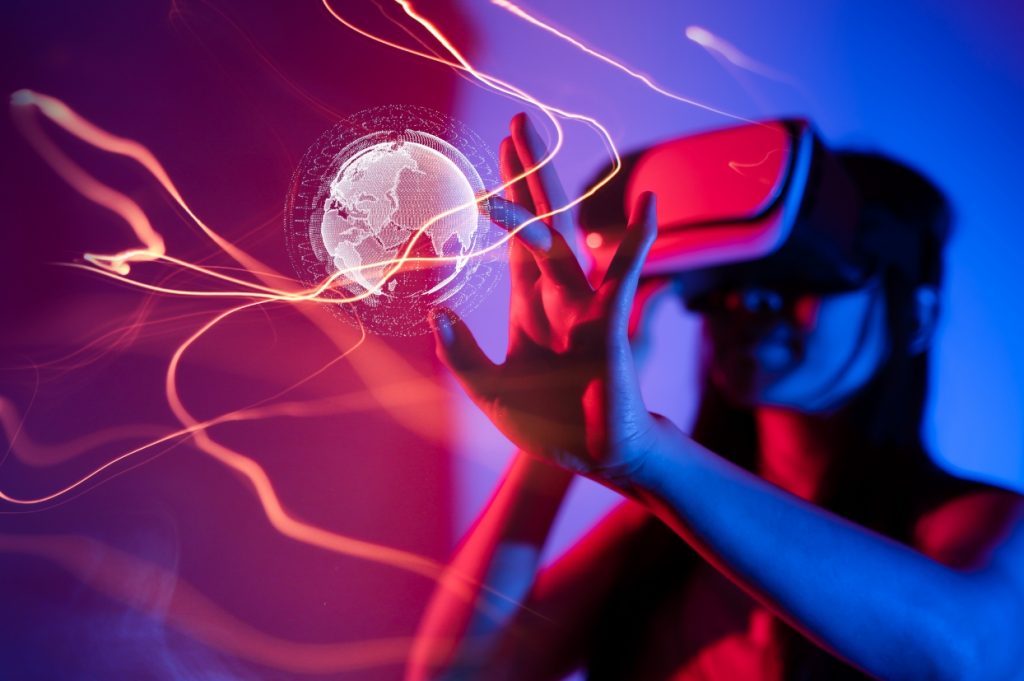
Transforming User Experience with AR and VR
As brands and businesses continue to tap into the potential of augmented reality (AR) and virtual reality (VR), the transformation of user experience (UX) is taking shape in unprecedented ways. The integration of these technologies offers immeasurable possibilities, changing how users interact with both products and services. With a focus on innovative applications, recent advancements showcase the capacity of AR and VR to create engaging, immersive experiences that grow consumer loyalty and redefine brand interactions.
Enhanced Customer Journeys
In an increasingly digital landscape, the customer journey is evolving, driven by the demand for more engaging and enriched interactions. Companies are leveraging AR and VR to craft dynamic experiences that cater to users’ desires for personalization and interactivity. Consider these notable enhancements:
- Virtual Try-Ons: In sectors like fashion and beauty, brands such as Sephora and Warby Parker have embraced AR technology to allow customers to try on products virtually. Users can see how makeup looks on their skin or how eyeglasses fit their faces, facilitating informed purchases and ultimately increasing conversion rates.
- Immersive Tours: The real estate industry is deploying VR to offer comprehensive virtual tours of properties, enabling potential buyers to explore homes from anywhere in the world. This capability not only attracts a broader audience but also allows for efficient filtering of homes that meet user preferences, streamlining the buying process.
- Interactive Marketing Campaigns: Brands are harnessing AR to create buzzworthy and shareable marketing campaigns. For example, Pepsi’s use of AR in bus shelters allowed unsuspecting commuters to interact with virtual creatures, enhancing brand visibility and user engagement through entertainment.
Fostering Community and Collaboration
AR and VR are also transforming user experience by fostering community and collaboration, particularly in remote work environments. As hybrid workplaces become the norm, these technologies introduce new ways for teams to connect and collaborate:
- Virtual Collaboration Tools: Platforms like Spatial and Microsoft Mesh utilize VR to provide immersive meeting spaces where teams can work together in real time, regardless of their physical locations. Users can brainstorm, share ideas, and even conduct training sessions within these virtual environments.
- Social Experiences: Social media companies are exploring VR spaces where users can gather for events, such as concerts or webinars. For instance, Facebook’s Horizon Workrooms allows users to meet in a virtual space, offering a sense of presence and community that traditional video conferencing lacks.
- AR-Enhanced Communication: Messaging apps are introducing AR features that allow users to enhance conversations with interactive elements. Snapchat, for example, uses AR filters to enable users to insert fun graphics or animations into their messages, leading to more engaging and entertaining interactions.
In summary, the integration of augmented and virtual reality into various aspects of user experience is not merely a trend; it is a significant shift that is reshaping how consumers engage with brands and their products. As we delve deeper into the implications of these technologies, it becomes clear that organizations must adapt to meet the expectations of a population ready to embrace enhanced, immersive experiences.
The integration of Augmented Reality (AR) and Virtual Reality (VR) into user experience is transforming how businesses engage with their customers and how users interact with digital content. One of the key areas where this impact is felt is in enhancing customer experience. By implementing AR and VR technologies, companies can provide immersive experiences that allow users to visualize products in real time and within their environment. For example, furniture retailers are increasingly using AR apps to let customers see how a couch looks in their living room before making a purchase, effectively reducing buyer hesitation and increasing satisfaction.Moreover, VR can simulate real-world environments, providing unique training opportunities in sectors such as healthcare and aviation. Medical professionals can practice complex procedures in a controlled virtual setting, resulting in better preparedness and confidence when dealing with real patients. This capability not only enhances the learner’s experience but also promotes better outcomes in real-life applications.Another crucial trend is the personalization of user experiences through AR and VR. Adaptive interfaces that change according to user preferences and behaviors are becoming more common. By leveraging data analytics, these technologies allow for tailored user journeys, enhancing engagement by offering specific, relevant content and experiences.As AR and VR technologies continue to evolve, they are making strides towards accessibility for individuals with disabilities, ensuring that user experience is inclusive. From innovative navigation aids for the visually impaired to immersive learning environments for those with learning challenges, the future of user experience is being reshaped to cater to diverse needs.The potential for AR and VR in marketing strategies is also noteworthy. Innovative campaigns using these technologies can create memorable experiences that resonate with the target audience. Brands are harnessing the power of AR for interactive advertisements and VR for virtual events, creating buzz and drawing in customers in ways traditional media cannot.In summary, as augmented and virtual realities continue to advance and become more integrated into our daily lives, they offer unprecedented opportunities for enhancing user experiences across various touchpoints. Businesses that embrace these technologies will not only stay ahead of the curve but also foster deeper connections with their customers, ultimately driving loyalty and growth.
| Category 1 | Category 2 |
|---|---|
| Customer Engagement | AR allows real-time product visualization, enhancing buyer confidence. |
| Training Simulations | VR creates realistic environments for training, improving response and skill levels. |
| Personalization | Adaptive interfaces enhance user journeys, increasing engagement. |
| Inclusivity | AR and VR cater to individuals with disabilities, promoting accessible experiences. |
LEARN MORE: Click here to dive deeper
Driving Innovation Through Immersive Experiences
The future of user experience is heavily intertwined with the innovations that arise from augmented reality (AR) and virtual reality (VR) technologies. These immersive experiences are not just tools for engagement; they are catalysts for innovation across various sectors, paving the way for new business models and opportunities. By incorporating advanced analytics and AI, companies can further enhance user experience, breaking traditional barriers and setting new expectations.
Data-Driven Insights
One of the most exciting aspects of AR and VR is their synergy with data-driven insights. As companies gather more data on user interactions within these environments, they can fine-tune strategies to deliver personalized experiences:
- Behavioral Analytics: Brands are utilizing AR and VR analytics to track user movements and interactions in real-time. This data helps identify which features users engage with the most, allowing for continuous improvement of the user interface and functionality. For instance, gaming companies like Epic Games use telemetry data to enhance player experiences in real-time.
- Personalization through AI: Combining AI with AR/VR technologies enables bespoke experiences tailored to individual preferences. By analyzing user habits and patterns, brands can create custom content that resonates with users, ultimately amplifying satisfaction and engagement. For example, online shopping platforms can suggest products based on the user’s virtual interactions during a shopping experience.
- Marketing Strategies: Marketers can now glean actionable insights from AR/VR campaigns, learning more about user preferences and behaviors. Insights gained can inform advertising strategies, such as optimizing the timing and placement of ads in immersive experiences for maximum impact.
Healthcare and Training Applications
Beyond marketing and retail, AR and VR hold transformative potential in sectors like healthcare and education:
- Medical Training: VR simulations are revolutionizing medical training by providing immersive environments where healthcare professionals can practice procedures without risk. Institutions like Johns Hopkins University are using VR to train doctors in complex surgeries, improving skill acquisition and confidence, while aiding in patient safety.
- AR in Patient Care: Augmented reality can assist in patient care by offering real-time information during procedures. For example, surgical teams can use AR glasses that overlay critical data onto a surgeon’s field of vision, enhancing precision and reducing errors.
- Educational Tools: The educational landscape is also shifting as AR and VR tools bring subjects to life. Students can explore ancient civilizations through VR field trips or visualize complex scientific concepts with AR overlaid in real-world contexts, making learning more engaging and effective.
Challenges and Considerations
Despite the immense potential of AR and VR technologies in shaping user experience, organizations must navigate certain challenges:
- Accessibility and Inclusivity: Ensuring that AR and VR experiences are accessible to everyone, including individuals with disabilities, is crucial. Companies must strive to design inclusive interfaces and content that can be enjoyed by as many users as possible.
- Hardware Limitations: Widespread adoption of AR and VR is often limited by the accessibility of compatible hardware. While mobile devices have made AR more available, VR still relies on high-end equipment that can be expensive. Addressing this challenge could lead to greater mainstream acceptance.
- Data Privacy Concerns: As the volume of data collected from user interactions increases, so do concerns regarding data privacy and security. Organizations must prioritize transparent data practices, ensuring users are informed about how their data is used and providing options to opt-out.
The integration of augmented and virtual reality continues to unlock new possibilities, not only transforming user experience but also pushing the boundaries of innovation. By navigating challenges effectively, businesses stand to benefit immensely from engaging users in this compelling landscape.
DISCOVER MORE: Click here to learn effective usability testing strategies
Looking Ahead: The Future of User Experience with AR and VR
As we delve into the future trends in user experience, it becomes abundantly clear that augmented reality (AR) and virtual reality (VR) are not merely futuristic concepts, but pivotal technologies shaping our immediate reality. By seamlessly integrating these immersive experiences into everyday applications, businesses are redefining how users interact with their products and services. The potential for personalization through data-driven insights allows companies to create bespoke experiences that resonate more deeply with individual users, fostering greater loyalty and engagement.
Moreover, sectors such as healthcare and education are experiencing transformative changes, utilizing AR and VR to enhance learning and training efficiency. The capability to simulate complex scenarios without risk in a controlled environment is invaluable. From training future medical professionals to enriching educational environments, AR and VR provide dynamic avenues for exploration and skill acquisition.
Nevertheless, challenges such as accessibility, hardware limitations, and data privacy concerns must be addressed as these technologies gain traction. It is imperative that stakeholders prioritize inclusivity and transparency to foster trust and ensure widespread adoption. As we move forward, the landscape of user experience will continue to evolve, driven by innovation and the integration of AR and VR. The opportunities are boundless, and the call to action for businesses is clear: embrace these technologies to remain competitive and relevant in an ever-changing digital world. The future is not only immersive; it’s a canvas waiting to be painted with creativity and discovery.

Beatriz Johnson is a seasoned tech writer and digital tools expert with a passion for simplifying the complexities of technology and mobile applications. With over a decade of experience in the tech industry, she specializes in topics like productivity apps, software reviews, and emerging digital trends. Through her work, Beatriz empowers readers to make informed technology choices and stay ahead in the ever-changing world of apps and innovation.