Furniture Choices for Space Efficiency: Balancing Style and Functionality in Minimalist Design
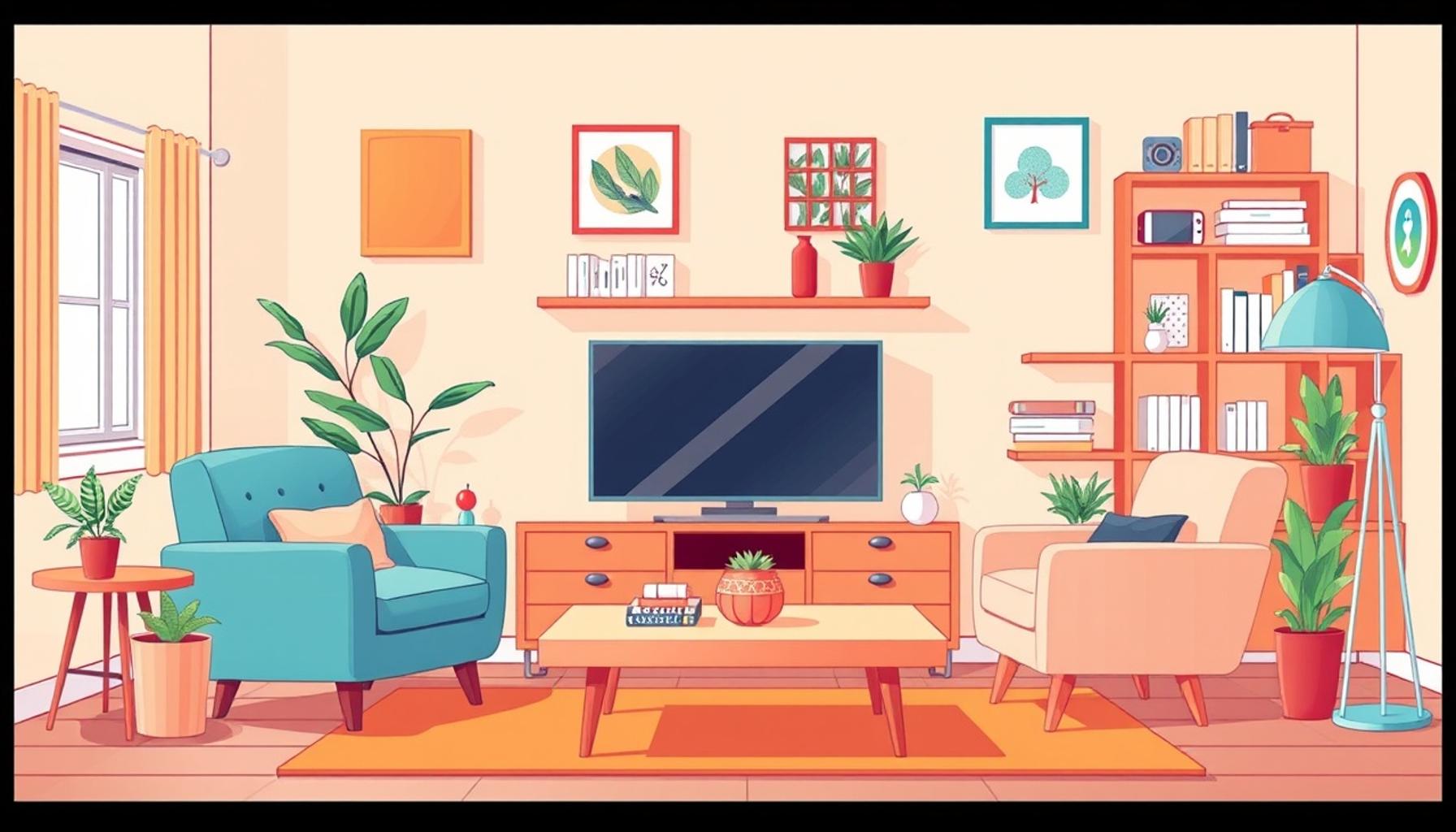
Embracing Minimalism in Furniture Selection
As urbanization continues to rise, many individuals find themselves navigating the realities of living in smaller apartments and homes. This shift in living spaces necessitates a reevaluation of how we approach our home interiors, particularly furniture. Thoughtfully selecting pieces that cater to both aesthetic desires and practical needs is essential for transforming compact spaces into lovely and organized environments. In this exploration of space efficiency, we will highlight key considerations that can optimize your living area.
Proportionality is fundamental when choosing furniture for limited space. Large, bulky items may create a feeling of congestion within the room, making it difficult to move around. Instead, opt for mid-century-inspired pieces or contemporary designs, which often feature slimmer profiles. For instance, a sleek sectional sofa could comfortably accommodate guests without dominating the room’s visual landscape.
Incorporating multi-functional items is another effective strategy. Pieces like a coffee table that doubles as a storage unit or a side table that expands into a dining table can save space and add utility. Imagine a sofa that folds out into a bed for unexpected guests, allowing you to embrace versatility without sacrificing comfort. This approach not only maximizes functionality but can also enhance the visual intrigue of your space.
Furthermore, minimal ornamentation is crucial in a minimalist design philosophy. Embracing clean lines and simple forms can create an atmosphere of tranquility, drawing the eye to thoughtfully chosen decorative elements instead of overwhelming clutter. When selecting items, prioritize those that add both charm and utility, such as a vase that serves as both decor and a storage holder for kitchen utensils.
By integrating these principles, you’ll discover how small adjustments can significantly enhance your living space. For example, a well-placed mirror can reflect light and create the illusion of depth, making a small room feel larger. Alternatively, employing color palettes that remain light and neutral can further enhance openness within the space.
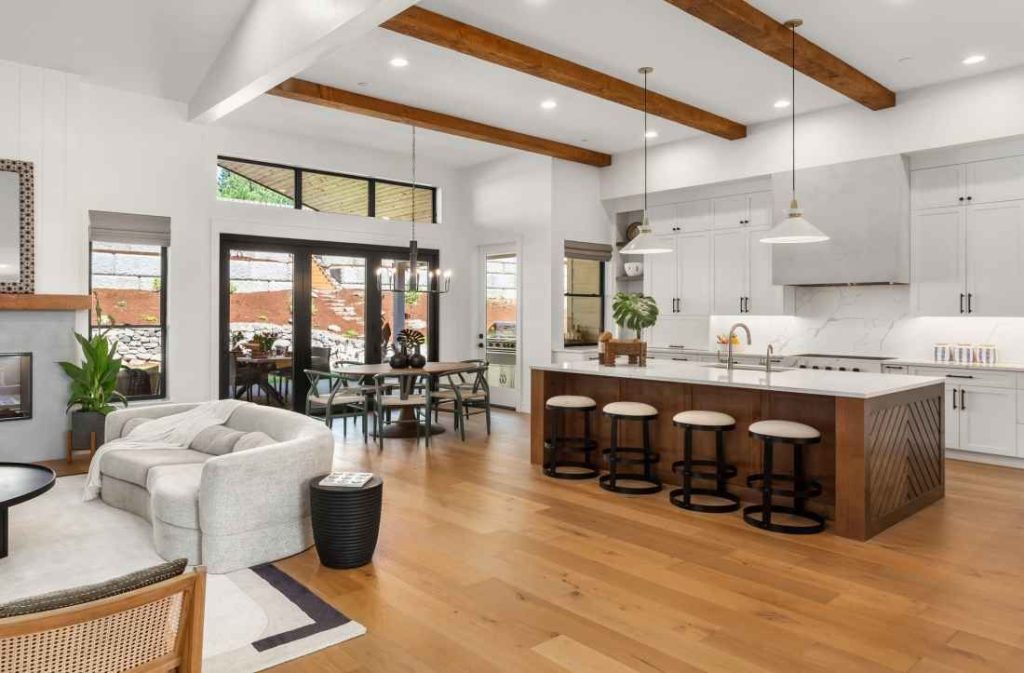
This article will delve into specific furniture choices that exemplify innovative designs, emphasizing how they contribute to space efficiency. You will uncover a treasure trove of insights that can transform your perspective on living within the confines of limited square footage. With thoughtful selections, your home can reflect both fashion and practicality, proving that even small spaces can be grand in their potential.
The Essentials of Space-Saving Furniture
When living in smaller environments, every inch counts. This reality necessitates a keen eye for space-saving furniture that not only meets practical needs but also enhances aesthetic appeal. As you consider your options, several categories of furniture stand out for their ability to maximize space while still offering individualized style. Below, we explore some essential pieces that can help you create a harmonious living space.
1. Compact Seating Solutions
Seating is often the most significant contributor to spatial constraints in a room. Compact seating solutions are essential for maintaining an open feel while providing ample comfort. When choosing seating:
- Armless Chairs: Opting for armless chairs can significantly free up floor space, allowing for ease of movement through the room. Their buoyant structure creates an airy atmosphere.
- Loveseats: A well-proportioned loveseat can serve as an efficient alternative to a full-sized couch, providing intimate seating without occupying too much area.
- Foldable Chairs: Dedicated foldable chairs can be stored away when not in use, making them a practical choice for those who frequently host gatherings.
2. Versatile Tables
Another crucial element in a minimalist design is the choice of tables. The right table can serve multiple purposes, which is vital for maintaining space efficiency. Consider:
- Nested Tables: These are ideal for smaller living areas, as they can be tucked away when not in use and brought out as needed for additional surface space.
- Drop-Leaf Tables: Perfect for dining areas, these tables can expand when hosting friends or family and collapse to save space during daily use.
- Wall-Mounted Desks: These innovative desks can be folded up against the wall when not in use, maintaining a clean and spacious environment.
3. Smart Storage Solutions
Storage is a common challenge in compact living spaces, making smart storage solutions essential for functional design. Look for:
- Ottomans with Storage: These versatile pieces can serve as both seating and storage, effectively hiding away blankets or books.
- Under-Bed Storage: Utilizing the space beneath your bed with storage containers allows you to keep seasonal clothes or shoes out of sight but easily accessible.
- Built-in Shelving: Instead of traditional bookcases, consider built-in shelving that saves floor space and makes full use of vertical surfaces.
By investing in furniture that serves multiple purposes and prioritizes compact design, you can achieve a stylish minimalist aesthetic that thrives within the constraints of your space. Moving forward, it’s crucial to keep an open mind and explore designs that embrace innovation without compromising on style. With the right selections, your home can achieve not only functional efficiency but also a reflection of your personal taste.
When it comes to optimizing your living space, furniture choices play a critical role in striking the right balance between style and functionality. Selecting furniture designed for space efficiency not only enhances the aesthetic of your home but also cleverly utilizes every square inch. One popular option in minimalist design is multifunctional furniture, which serves more than one purpose, such as a stylish sofa that converts into a guest bed or a coffee table with hidden storage. Incorporating furniture with a lighter footprint contributes to an airy feel, making spaces appear larger than they are. Light-colored furnishings can offer an illusion of space, while transparent materials like glass create visual flow without heaviness. Additionally, modular furniture is gaining prominence, allowing customization and reconfiguration to suit changing needs.Furniture choices must also consider scale; oversized pieces can dominate rooms, whereas smaller, tailored designs fit seamlessly into tight spaces. Consider incorporating wall-mounted elements that utilize vertical space, keeping floor areas clear and less cluttered. Moreover, floating shelves add charm and practicality while maintaining a minimalist aesthetic.Understanding your spatial limitations and lifestyle needs plays a crucial role in selecting the right pieces. For instance, if frequent hosting is a part of your lifestyle, investing in expandable dining options can be a wise decision. Innovatively blending style and functionality not only elevates your living area but also creates a welcoming environment, proving that you don’t have to compromise one for the other. In your pursuit of the perfect furniture for a more efficient and stylish home, every choice counts.
Maximizing Vertical Space
In many compact living environments, vertical space is often overlooked in favor of horizontal arrangements. However, effectively utilizing the vertical dimensions of a room can lead to both style and function. Here are a few strategies to incorporate vertical space into your minimalist design:
1. Tall Bookshelves
Rather than traditional bookcases that consume floor space, consider opting for tall bookshelves that draw the eye upward. These structures can maximize storage while creating a striking visual element. Look for:
- Open Shelving: A ladder-style shelf or a modern open shelving unit can display books, plants, and decorative items, adding character while keeping items easily accessible.
- Multi-Functional Units: Select bookshelves that incorporate built-in desks or display areas to serve various purposes and optimize your space.
2. Wall-Mounted Elements
Wall-mounted furniture offers an incredible way to keep your floors clear and foster an expansive feel in small rooms. Some options include:
- Wall Hooks: Install decorative hooks for coats, bags, or accessories to keep clutter off tables and floors.
- Floating Nightstands: Instead of traditional bedside tables, floating nightstands can hold essentials without consuming precious floor space.
- Wall-Mounted Storage: Use wall-mounted cabinets and organizers in kitchens and bathrooms to create an efficient storage solution that leaves counter space uncluttered.
3. Utilizing Corners Wisely
Not all furniture needs to be centered in a room. In fact, maximizing corner spaces is a phenomenal way to reclaim lost area. Look into:
- Corner Sofas: These sectional sofas can fit snugly into corners, making them perfect for small living rooms and maximally utilizing seating.
- Corner Desks: A compact corner desk provides a functional workspace without dominating the room, perfect for those working from home.
4. Mirrors and Light
Mirrors can be a powerful tool in space-efficient design, creating an illusion of depth and openness. Consider the following:
- Full-Length Mirrors: Placing a full-length mirror strategically in your home can reflect light and create the sense of broader space.
- Mirrored Furniture: Furniture with a mirrored finish can add style while also helping light bounce around the room, enhancing brightness and the feeling of openness.
Embracing vertical space and functional wall decor can transform your room and help you maintain a minimalist aesthetic while showcasing your personal style. The unique blend of functionality and creative design ensures that even compact areas can shine. Exploring these options leads to not only smarter choices in furniture but also a more spacious and inviting living environment.
Conclusion
In the pursuit of space efficiency within minimalist design, the balance between style and functionality is paramount. As living spaces continue to shrink, innovative furniture choices become essential not only for maximizing utility but also for creating a visually appealing environment. By integrating elegant yet functional elements such as tall bookshelves, wall-mounted fixtures, and multifunctional furniture, homeowners can transform compact rooms into stylish sanctuaries while minimizing clutter.
Moreover, the thoughtful utilization of vertical space allows for creative expressions that can enhance the perceived size of a room. Strategies like implementing mirrored furniture or utilizing corners wisely can both elevate the aesthetic and increase practicality. As you explore these design options, consider that the essence of minimalist design lies in simplifying your surroundings while amplifying your personal style.
Ultimately, embracing a minimalist approach does not mean compromising on comfort or individuality; rather, it encourages a curated environment where every piece serves a purpose and contributes to a sense of harmony. As you navigate your furniture selections, remember that the journey towards achieving a space-efficient and stylish home is an ongoing process, filled with opportunities for creativity and innovation. Embrace this challenge, and let your space reflect the balance of style and functionality that defines modern living.

Linda Carter is a writer and organization expert specializing in minimalism and personal organization. With extensive experience helping individuals create clutter-free, functional spaces and adopt mindful habits, Linda shares her knowledge on our platform. Her goal is to empower readers with practical advice and strategies to simplify their lives, stay organized, and achieve a sense of calm and balance in their daily routines.