
Clutter Reduction Strategies for Families: Keeping the Home Organized with Children
Finding Balance in a Busy Household
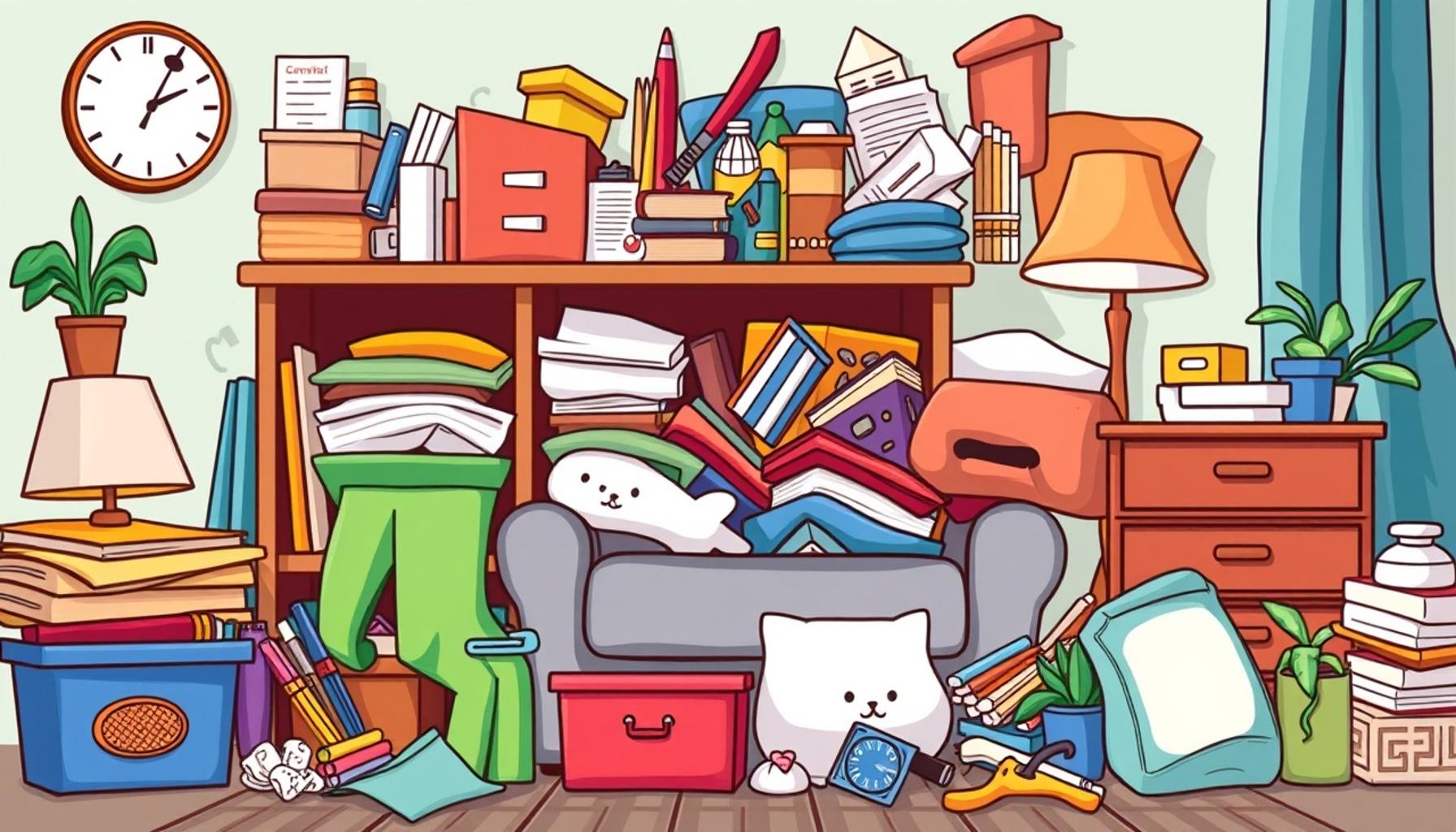
Managing a home filled with children can often feel like an uphill battle, especially when it comes to clutter reduction. Toys, clothes, and school supplies seem to multiply overnight, leaving many families overwhelmed. However, with the right strategies, it’s possible to create an organized and peaceful environment.
Why Focus on Clutter Reduction?
Maintaining an organized space is essential for several reasons:
- Improves mental clarity: A tidy home can lead to a decluttered mind. Studies suggest that physical clutter can distract us and contribute to anxiety. A clean space allows family members to focus better on tasks like homework or household chores.
- Enhances safety: Reducing clutter minimizes the risk of accidents. Items strewn about the floor can pose tripping hazards, especially for young children who explore their surroundings with curiosity. Keeping pathways clear can also facilitate a quicker exit in emergencies.
- Teaches responsibility: Involving children in organization fosters important life skills. When kids help in sorting and deciding which toys to donate, they learn valuable lessons about generosity and decision-making.
Implementing systematic strategies can yield significant benefits, transforming chaos into tranquility. Simple changes in daily routines can help families maintain order, even amidst the whirlwind of parenting.
Effective Strategies to Consider
To tackle clutter effectively, families may explore various approaches:
- Decluttering schedules: Allocate specific times for decluttering efforts. For instance, setting aside 15 minutes each evening after dinner dedicated solely to tidying up can make a huge difference over time. Creating a weekly family ritual can also turn a chore into a bonding activity.
- Designated storage areas: Ensure every item has its own place. Use clear bins or labeled baskets for toys and supplies to make it easier for children to find and return items. This not only enhances organization but also aids in quick clean-up sessions.
- Involving children: Encouraging kids to organize their belongings fosters ownership. By allowing children to choose where things belong or which toys to keep, they develop a sense of pride and responsibility towards their environment. This initiative can be made fun, like having a “mini garage sale” for gently used toys to teach them about value and giving.
By incorporating these strategies, families can not only keep their homes organized but also cultivate a sense of teamwork and responsibility among children. Ultimately, the journey toward achieving a clutter-free home is not just about creating an aesthetically pleasing space; it’s about fostering a lifestyle that values order, teamwork, and personal accountability. So, the next time the clutter accumulates, remember that with a little planning and effort, a more serene and organized household is within reach.
Practical Approaches for Families to Declutter
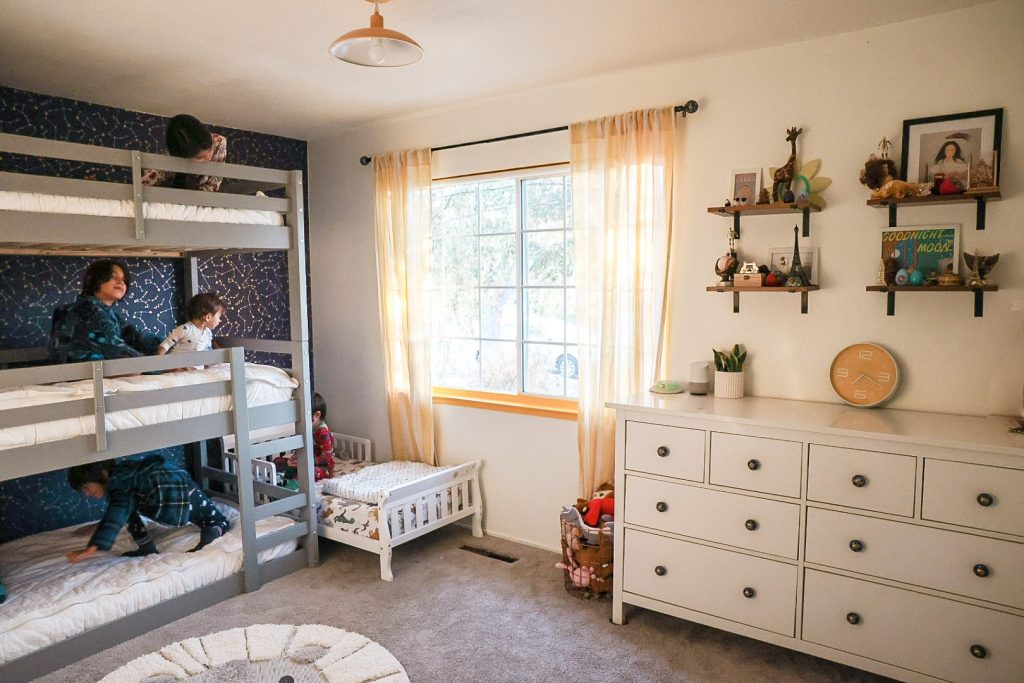
Decluttering is not just about tossing out unwanted items; it’s an ongoing process that requires mindful habits and a proactive mindset. Families looking to manage clutter effectively can benefit immensely from establishing structure and routines that work for everyone. Here are some practical approaches to consider:
- Utilize the ‘One In, One Out’ Rule: A simple yet powerful rule to enforce is that for every new item brought into the home, an old item must be removed. This strategy helps maintain the influx of things, especially toys and clothes, preventing them from piling up. Children can learn the value of moderation and mindful decision-making when they see their parents practicing this rule.
- Create Catch-All Zones: Designate specific areas in your home for common items that aren’t always easy to store neatly. Whether it’s a corner for shoes by the front door or a basket for miscellaneous craft supplies, having a catch-all zone can cut down on visual clutter. Assign spaces where children can be responsible for keeping items organized, making it easier for them to contribute.
- Rotate Toys for Engagement: Instead of letting every toy clutter the living space, implement a toy rotation system. By keeping some toys stored away and rotating them every few weeks, children remain engaged and excited about their playthings while also reducing the clutter. This strategy not only manages the mess but allows for creative play with ‘new’ toys when the rotation happens.
- Implement Family Declutter Days: Schedule dedicated family time focused on decluttering together. This could be monthly or seasonally. Make it an enjoyable event with music and treats or friendly competition about who can fill a bin the fastest with items to donate. Collaborative efforts can turn decluttering into a family bonding experience, teaching children valuable skills while fostering teamwork.
These approaches emphasize that clutter reduction is not merely about maintaining cleanliness; it’s about instilling values of organization and responsibility in children. Families can enjoy a more seamless daily routine without the chaos of scattered belongings cluttering their living spaces.
Setting Up a System for Success
Implementing a successful clutter reduction strategy relies heavily on maintaining consistency. Establishing two-way communication among family members about their responsibilities is crucial. When children understand the ‘why’ behind the need to keep a tidy home, they are more likely to participate actively. Furthermore, using visual reminders in the form of charts or checklists can create an engaging way for younger children to remember their chores.
In summary, managing clutter while raising children requires an intentional effort and a shift in family dynamics toward collective responsibility. By incorporating these strategies into daily life, families can create a nurturing environment that balances chaos and order, enhancing their overall home life quality.
| Strategies | Benefits |
|---|---|
| Regular Decluttering Sessions | Promotes family involvement while creating a sense of responsibility among children. |
| Designated Storage Areas | Reduces confusion and streamlines clean-up, fostering independence in kids. |
| Incorporating Fun Organization Tools | Makes organization a playful activity, encouraging children to participate actively without resistance. |
| Establishing a Routine | Creates consistency, minimizing chaos and enhancing family productivity. |
Implementing these clutter reduction strategies can significantly improve the organization of any family home. Each strategy invites children to engage with their surroundings positively, laying the foundation for lifelong skills in organization. Understanding the benefits helps families see beyond mere tidiness; it cultivates an environment where children learn valuable lessons about responsibility and cooperation. Families can further enrich their experience by making organization a fun and rewarding activity. Consider how a little planning can lead to remarkable changes in lifestyle, making family life not only organized but also more enjoyable.
Empowering Children Through Organization
One of the most effective clutter reduction strategies for families is empowering children with the tools and knowledge to maintain organization. By involving kids in the process of decluttering, they develop a sense of ownership and responsibility that fosters lifelong habits. Here are some innovative ideas to encourage children to embrace the organization:
- Personalized Storage Solutions: Engage children in creating their own storage solutions. For instance, designate a particular shelf or drawer for each child to fill with their belongings. Let them select colorful bins or labels to mark their space. Customization promotes pride in their organization efforts, making them more likely to keep the area tidy.
- Incorporate Fun and Routine: Turning organization into a game can significantly enhance children’s willingness to keep things tidy. Implement systems like “Tidy-Up Time” where children earn points or small rewards for completing their daily organization tasks. Consistent routines, such as a 5-minute clean-up before bedtime or after playing, can help make tidying up a natural part of their day.
- Lead by Example: Children often mimic their parents’ behavior. By demonstrating effective decluttering habits, parents can set an example of organization that children will emulate. Consider setting aside time together to sort through your items, narrating your thought process as you keep or discard things. This transparency teaches children to consider their own possessions thoughtfully.
- Encourage Emotional Decision-Making: Help children evaluate their belongings by encouraging them to think about the emotional attachments they have with certain items. For instance, when deciding which toys to keep or pass on, ask them questions like, “How does this toy make you feel?” or “Do you still play with this?” This method teaches children to make decisions based on their feelings and values, leading to better organization skills.
Moreover, using technology can enhance clutter reduction efforts. Various apps designed for families can assist children in keeping track of their possessions and organization charts. Engaging with technology can make decluttering feel less like a chore and more like a collaborative activity.
Building a Family Decluttering Mindset
Creating a family culture centered on decluttering and organization is vital. Holidays and seasonal transitions present excellent opportunities for this culture-building. Families can establish traditions such as pre-holiday cleanouts, where children learn to let go of items they no longer need to make space for new gifts. This not only simplifies the environment but also prepares children mentally for incoming items and teaches them the importance of considering their space.
Moreover, community engagement can further enhance this mindset. Organizing or participating in local charity events, neighborhood swaps, or garage sales can provide avenues for families to declutter while contributing to their communities. Through these interactions, children can acquire a sense of purpose about their belongings, promoting values like sharing and community spirit.
These strategies showcase that in the journey of clutter reduction, the focus should not solely rest on the end goal of an organized home, but rather on the experiences and valuable lessons learned along the way. By nurturing a habit of organization from a young age, families lay the groundwork for a more harmonious living environment and help children thrive not only at home but in their future endeavors as well.
Final Thoughts on Clutter Reduction Strategies for Families
In the quest for a well-organized home, families with children face unique challenges and opportunities. By implementing clutter reduction strategies, such as empowering children, fostering a family decluttering mindset, and utilizing technology, parents can create a systematic approach to keep their living spaces tidy. These practices not only streamline the household environment but also instill valuable life skills in children, nurturing their responsibility and independence.
It’s essential to remember that the journey towards a clutter-free home is more than just about achieving order; it’s about cultivating an interactive and collaborative atmosphere. Engaging children in the decluttering process ensures that they learn the importance of organization while making it a fun and enjoyable experience. Establishing family traditions focused on letting go of unnecessary items can transform what might be a tedious task into cherished memories.
As families explore these strategies, they may find that creating an environment where organization thrives can significantly enhance their overall quality of life. It not only aids in reducing stress but also sets the stage for children to develop positive habits that will benefit them in their adult lives. Whether it’s through interactive decluttering apps, personalized storage solutions, or community engagement, the impact is profound.
Ultimately, the message is clear: clutter reduction is a family affair. By working together, families can learn the art of organization, ensuring that their homes are not only pleasing to the eye but also nurturing spaces that allow everyone to flourish.

Linda Carter is a writer and organization expert specializing in minimalism and personal organization. With extensive experience helping individuals create clutter-free, functional spaces and adopt mindful habits, Linda shares her knowledge on our platform. Her goal is to empower readers with practical advice and strategies to simplify their lives, stay organized, and achieve a sense of calm and balance in their daily routines.