Menu

Nomadic Lifestyles: How Spatial Efficiency Adapts to Life on the Move

Nomadic lifestyles are on the rise, driven by a desire for flexibility and adventure. Emphasizing spatial efficiency, individuals creatively manage limited living spaces through innovative designs, technology, and minimalism. This lifestyle not only redefines personal living experiences but also influences urban planning and societal structures, fostering community and sustainability.

Technology and Space: Digital Tools that Aid in Organization and Spatial Efficiency

Digital tools are transforming spatial efficiency and organization in modern workspaces. From smart scheduling apps to VR technology, these innovations enhance productivity and resource management. As organizations embrace cloud computing and AI, they can optimize physical and virtual environments, ensuring adaptability and competitive advantage in today's dynamic landscape.

Multifunctional Furniture: Innovative Solutions to Enhance Spatial Efficiency at Home

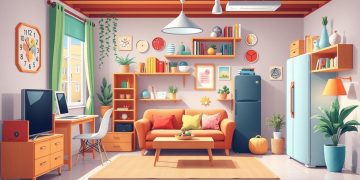
The article explores the growing trend of multifunctional furniture, highlighting its role in enhancing spatial efficiency at home. By combining style with practicality, these innovative designs cater to varying lifestyles, promoting organization and minimalism, while contributing to sustainable living. Discover how smart solutions can transform your space into a versatile haven.

The Role of Colors in Creating Efficient and Minimalist Spatial Environments

Colors play a crucial role in shaping efficient and minimalist spatial environments. By understanding their psychological impact, designers can enhance aesthetics, mood, and functionality. A thoughtful color palette promotes simplicity, delineates spaces, and fosters well-being, transforming areas into harmonious and inviting sanctuaries that prioritize user experience.

The Importance of Lighting in Spatial Efficiency: Transforming Environments with Minimalism

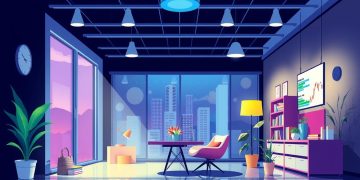
This article explores how thoughtful lighting design enhances spatial efficiency in urban environments. By integrating natural and artificial lighting, minimalist principles are applied to create functional, inviting spaces. It highlights innovative lighting technologies that improve productivity, emotional well-being, and sustainability, emphasizing their transformative power in modern design.

Creating Functional Zones: How to Divide Open Spaces Efficiently and Aesthetically

Creating functional zones in open spaces enhances usability and aesthetic appeal, allowing for organized, distinct areas tailored to various activities. Thoughtful design involving furniture arrangement, color, texture, and natural elements transforms environments, promoting engagement and well-being while ensuring adaptability for changing needs.