
Software Updates: How They Influence User Experience in Applications
The Vital Role of Software Updates in Application Lifecycles
In the rapidly evolving technology landscape, software updates are not merely routine maintenance; they serve as a lifeline for applications, ensuring they remain functional and relevant. These updates play a critical role in enhancing not just the functionality but also the overall user experience. Each iteration can greatly change how users interact with an application, creating new avenues for engagement while potentially introducing challenges or frustrations.
Key Influences of Software Updates on User Experience
Software updates influence user experience in several fundamental ways, highlighting their significance in application usage:
- Performance Improvements: Regular updates often include optimizations that can drastically enhance an app’s speed and efficiency. For instance, a popular task management application might update its algorithm to reduce loading times, leading to a smoother user experience. Such improvements can make the difference between a user persisting with an app or choosing to abandon it for a competitor.
- Security Enhancements: In today’s digital world, data breaches are all too common. Updates frequently address vulnerabilities that could expose user data to malicious attacks. Consider a prominent example: in 2021, a critical update from Microsoft addressed several security flaws in Windows, closing off potential gates for cyber intruders. By patching these vulnerabilities, companies not only protect their users but also build long-term trust, encouraging continued use of their products.
- User Interface Changes: Redesigns in user interfaces can offer a fresh take, potentially attracting new users or engaging existing ones. For example, after a major update, Instagram introduced a new layout that emphasized Reels. While this brought excitement and boosted user engagement, it also required users to adjust to the new aesthetic and navigational changes, which some found confusing initially. The delicate balance of refreshing an app while maintaining usability is crucial.
- New Features: Enhancements like adding innovative tools can greatly improve usability. However, if not implemented thoughtfully, they may overwhelm users. Take the example of Zoom during the COVID-19 pandemic, which rapidly rolled out features to cater to an increased user base. While most were Welcome additions, some users felt inundated by the sheer volume of changes, leading to brief frustration until they became accustomed to the new functionalities.
In this fast-paced technology environment, staying up to date with software updates is imperative for both users and developers. Being informed of how these updates impact user interaction provides valuable insights. Neglecting to implement or adopt these updates could mean losing competitive advantage or alienating users. In the following sections, we will delve deeper into specific instances showcasing the tangible implications of overlooking software updates, highlighting the necessity of proactive engagement with technology in our daily lives.
DISCOVER MORE: Click here to uncover essential tools
The Transformative Power of Software Updates
As technology advances, software updates emerge as pivotal components that continuously shape user experience within applications. They are not merely about fixing bugs or enhancing security; these updates actively transform how users perceive and interact with the software. Understanding this transformative power is crucial for both users and developers.
Enhancing User Engagement Through Regular Updates
One of the most significant influences of software updates is the ability to drive user engagement. With each update, developers have the opportunity to refine existing functionalities and introduce new capabilities. When an application enhances its core offering, it can entice users to explore deeper interactions.
- Gamification Elements: Many applications have successfully integrated gamification into their user experience, incentivizing user participation through rewards and challenges. For instance, fitness apps often update to include new challenges or leaderboards, tapping into users’ competitive nature and motivating them to log their workouts continuously.
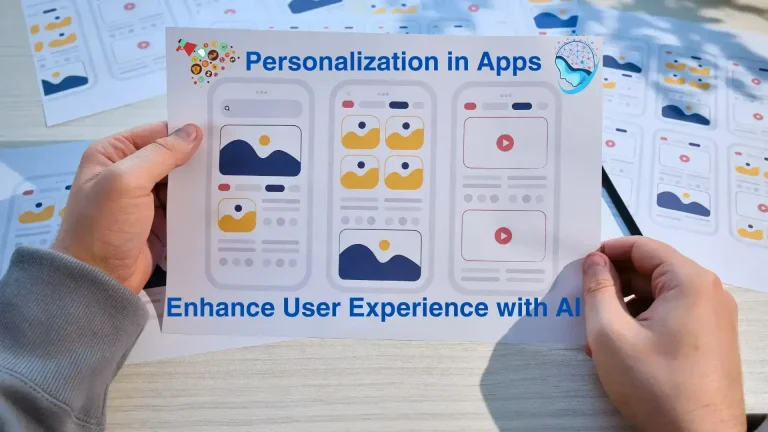
- Personalization Features: Updates can include improved algorithms for personalized experiences, making applications feel tailored to individual users. Streaming platforms frequently roll out algorithms designed to refine recommendations based on viewing history; a targeted recommendation after an update can resonate more effectively with a user, keeping them engaged longer.
- Feedback Mechanisms: Software updates also often respond directly to user feedback. When applications update to include frequently requested features—like dark mode in popular apps such as WhatsApp or Telegram—they show users that their voices matter. This not only boosts satisfaction but fosters a sense of community between developers and users.
However, the excitement surrounding updates can quickly dissipate if not managed properly. Adapting to changes, particularly when updates introduce significant shifts, can be jarring. Users may feel disoriented if they are accustomed to a certain layout or set of features, only to find them replaced or repositioned in a subsequent version. This indicates a delicate balance; while updates are necessary for progress, they should also prioritize user familiarity.
Staying Relevant in a Competitive Landscape
The impact of software updates is further amplified by the competitive nature of the app market. Users have countless options available at their fingertips, and a poor experience can lead to them swiftly abandoning one application for another. Regular updates ensure that applications do not just remain relevant but can also adapt to changing user needs and emerging technologies.
In summary, software updates are vital to enhancing engagement and ensuring applications do not become obsolete in a fast-changing environment. Each update can present both an opportunity and a challenge, influencing how users interact with the software over time. As we delve deeper, we will examine specific case studies illustrating the critical consequences of overlooking the importance of software updates in the user experience journey.
Enhancing User Experience Through Regular Software Updates
Software updates significantly influence user experiences in applications, offering both immediate advantages and long-term improvements. Each update serves as a detailed roadmap for developers to enhance their applications and ensure users obtain the best possible performance. The ongoing process of improving applications enables businesses to stay competitive and retain customer loyalty.
Improving Security and Stability
One of the foremost benefits of software updates is strengthened security. Cybersecurity threats are constantly evolving, and updates allow developers to fortify their applications against vulnerabilities. By quickly addressing potential risks, users can engage with applications with heightened confidence, reducing anxiety about data breaches and privacy violations.
Furthermore, software updates significantly enhance application stability, minimizing crashes and bugs. These improvements improve the overall user experience, as users can rely on the application to perform smoothly without interruptions. A reliable application can foster user trust, promoting continued engagement and exploration of its features.
Introducing New Features and Functionalities
Regular updates not only fix existing problems but also introduce new features that cater to evolving user demands. Staying abreast of technological advancements or user feedback allows developers to create more engaging applications. The introduction of innovative functionalities keeps users interested and encourages them to explore and utilize the application more extensively.
Ultimately, software updates create a harmonious relationship between application performance and user satisfaction. With improvements in both security and feature-rich offerings, users are more likely to advocate for and promote the application to their networks.
| Category | Explanation |
|---|---|
| User Security | Updates address vulnerabilities and reduce risks of data breaches. |
| Enhanced Stability | Regular updates minimize bugs and crashes, creating a smoother user experience. |
To maximize these benefits, it is crucial for users to regularly update their applications. Developers are constantly committed to improving features, functionality, and performance to present an optimized user experience.
Exploring the impact of software updates underscores their importance—not just in terms of immediate usability, but also in crafting a long-term relationship between users and applications.
DISCOVER MORE: Click here to find out how
The Pitfalls of Poor Update Management
While software updates can significantly enhance user experience, the consequences of mismanaged updates can lead to detrimental outcomes. Users may not understand the intricacies of technology, and an update that introduces new features without proper guidance can lead to confusion and frustration. This highlights the importance of not only frequently updating applications but also ensuring these updates are accompanied by clear communication.
Communicating Changes Effectively
Effective communication is key in helping users navigate updates successfully. Following any major update, developers should provide detailed release notes summarizing changes and improvements. This transparency can greatly aid in maintaining user trust. For instance, consider popular social media platforms like Facebook or Instagram; they routinely update their user interfaces, often sparking backlash due to misunderstandings. Comprehensive notifications explaining the functionality of new features can alleviate user anxiety and promote smoother transitions.
- In-App Notifications: In-app messages act as effective tools to inform users about significant updates. For instance, music streaming services like Spotify often use in-app banners to highlight new features. Clear, concise notifications that explain updates can motivate users to explore these changes rather than dismissing them outright.
- Guided Tours: Another effective strategy is implementing guided tours within the app post-update. Applications like Duolingo utilize this approach to help users understand new features interactively. When users can see step-by-step instructions directly in the application, they are more likely to embrace changes instead of resisting them.
- User Education: Developers can also invest in user education through tutorials, FAQs, and even video Explainations that address common update-related questions. This proactive approach can transform users’ views toward updates from annoyance to acceptance, helping them feel more at ease with changes.
The Role of Feedback Loops
Creating an environment for feedback plays a crucial role in maintaining a positive user experience post-update. This interaction can occur through app reviews, community forums, or direct feedback forms integrated into applications. Developers should actively seek input to identify pain points and areas for improvement after updates.
For instance, after rolling out a significant update, mobile game developers often monitor user reviews and engagement data closely. If negative feedback surfaces regarding a newly implemented feature, the development team may prioritize immediate revisions in subsequent updates. Such responsiveness not only preserves user satisfaction but can also foster loyalty as users recognize their influence on the application’s evolution.
Furthermore, leveraging analytics tools can enable developers to gather data about user behavior post-update. Understanding how users interact with an updated feature can lead to further optimizations. High engagement with a new feature is an excellent opportunity for developers to market and enhance user experience further, while low engagement signals a need for reassessment.
In the contemporary app ecosystem, effectively managing updates and the user experience surrounding them is essential. By prioritizing user communication, education, and feedback mechanisms, developers can turn every update into an opportunity for enrichment rather than a potential risk. As we continue our exploration, we will examine how businesses can leverage software updates to not only improve user experience but also drive overall success in an increasingly competitive digital landscape.
DISCOVER MORE: Click here for insights on two-factor authentication
Conclusion
In an era where digital interactions are increasingly central to our daily lives, software updates emerge as a critical element influencing user experience within applications. These updates, when managed effectively, can enhance usability, introduce innovative features, and respond to user feedback, making applications more accessible and enjoyable. However, the stakes are high; a poorly communicated update can lead to user frustration and decreased trust, showcasing the necessity for businesses to prioritize clear communication and user education.
The strategies outlined, such as implementing in-app notifications, guided tours, and a robust feedback system, are essential tools for developers striving to navigate the complexities of software updates. By embracing these practices, organizations can cultivate a sense of community and loyalty among their user base, transforming potentially disruptive updates into opportunities for positive engagement. Furthermore, leveraging analytics to refine and optimize features based on user interactions post-update can create a dynamic environment that not only retains users but might also attract new ones.
As we look to the future, it is clear that the relationship between software updates and user experience will continue to evolve. With advancements in technology and a growing emphasis on personalized user experiences, developers must remain agile and responsive. Ultimately, successful software updates can lead to enhanced user satisfaction and long-term success for applications in a competitive digital marketplace. As we continue to explore the intricacies of digital interaction, one thing remains certain: the way we approach software updates will profoundly shape the user experience for years to come.