Security in Messaging Apps: Tips to Protect Your Conversations
The Risks of Poor Messaging App Security
In today’s digital landscape, effective communication often relies on various messaging apps. However, many users remain blissfully unaware of the potential security risks that lurk beneath the surface of their daily exchanges. Whether it’s a chat with friends, crucial negotiations at work, or sensitive discussions about personal matters, the content shared through these platforms is ripe for exploitation if not adequately protected.
To illustrate the pressing need for enhanced security, consider the alarming statistics surrounding data breaches and privacy concerns. Over 30% of Americans have reported falling victim to some form of a data breach, with personal messaging platforms being a common target. Furthermore, nearly 43% of online users express significant worries regarding their privacy when using these applications. These statistics underscore the importance of being proactive about digital security.
Understanding the Consequences
The ramifications of inadequate messaging app security extend beyond just individual privacy. Cybercrime costs the global economy an astonishing $1 trillion annually, demonstrating that the impact of unsecured communications resonates at a macroeconomic level. Data leaks can lead to identity theft, financial loss, and even reputational damage for businesses and individuals alike.
Effective Security Strategies
Fortunately, there are several practical measures that users can implement to enhance the security of their messaging applications. Here are some critical aspects to consider:
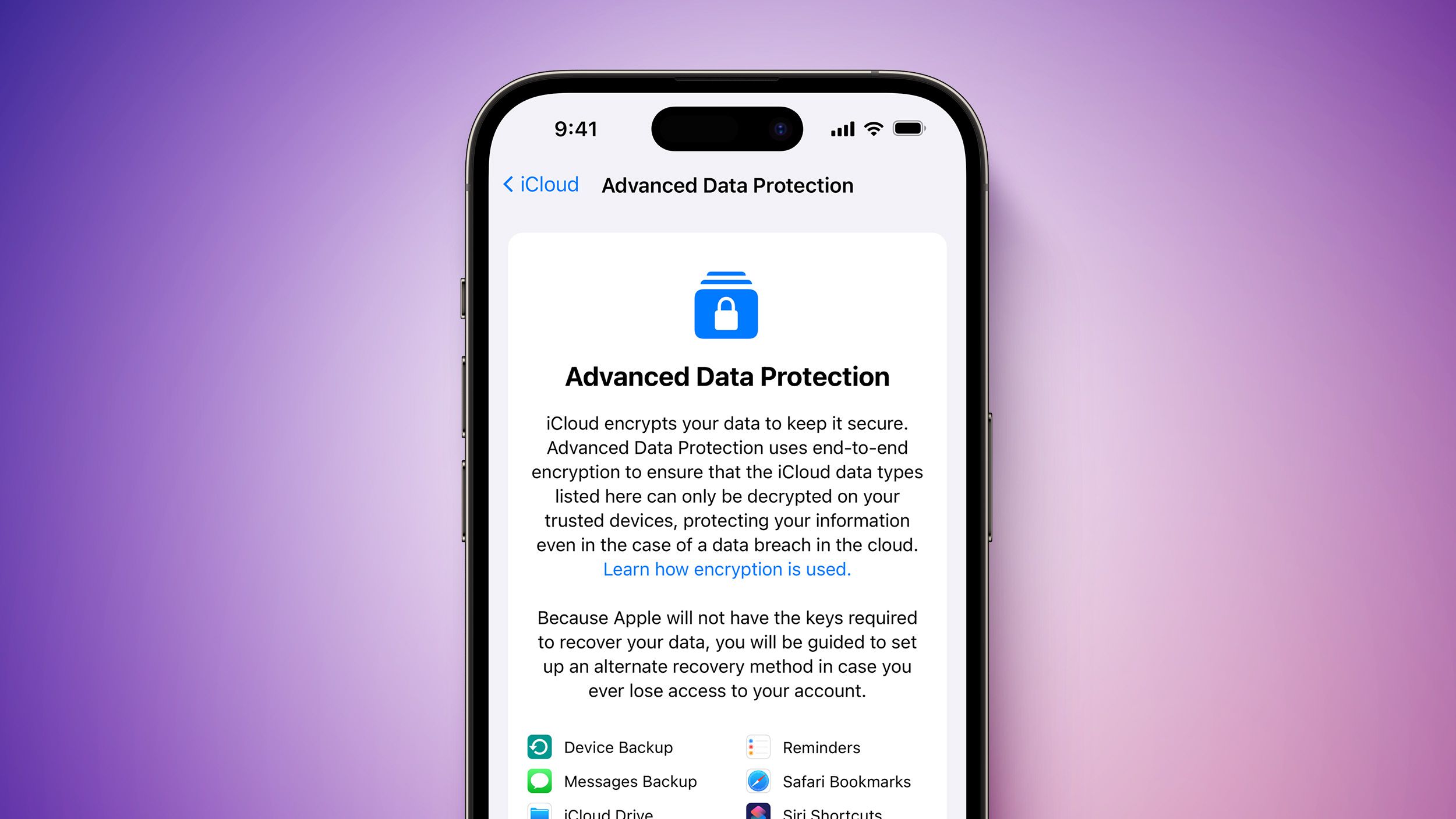
- End-to-End Encryption: One of the fundamental features to look for in a messaging app is end-to-end encryption. This technology ensures that only the sender and recipient can access the contents of messages, keeping them shielded from prying eyes, including hackers and even the app providers themselves.
- Password Protection: The importance of strong passwords cannot be overstated. Using combinations of letters, numbers, and special characters significantly increases security. Additionally, enabling two-factor authentication adds an extra layer of protection, requiring a secondary form of verification before access is granted.
- Avoid Public Wi-Fi: While convenient, public Wi-Fi networks pose significant risks. They can be easily intercepted by cybercriminals. Whenever possible, connect to a secure, private network when accessing your messaging apps to minimize exposure to potential threats.
Staying Informed
The digital landscape is ever-evolving, and with it, the tactics employed by cybercriminals continuously adapt. Staying informed about potential threats is crucial in this fight against digital vulnerabilities. Understanding the features of your messaging apps, regularly updating software, and educating yourself about the latest security practices can empower users to keep their conversations private and secure.
As you navigate the complexities of online communication, remember that enhancing your messaging app security is not just an option; it’s a necessity. As the old adage goes, knowledge is power, and the better equipped you are against potential threats, the more secure your digital conversations will remain.
DISCOVER MORE: Click here to dive deeper
Understanding the Landscape of Messaging App Vulnerabilities
As the demand for messaging apps escalates, understanding their vulnerabilities becomes increasingly vital. The myriad of options available to users—ranging from popular applications like WhatsApp and Telegram to lesser-known alternatives—often masks underlying security flaws. It is critical to recognize that not all messaging apps are created equal. Some prioritize user privacy and data protection, while others may bypass these essential features.
For instance, a significant number of messaging platforms collect user data to monetize their services through targeted ads. According to a report by the Data Privacy Consortium, approximately 56% of messaging apps track user behavior, raising serious concerns about the security of private conversations. This reality means that while users may think they are sharing messages in a secure environment, the truth could be far less comforting.
Key Features to Enhance Messaging App Security
When choosing a messaging app, users should be aware of key features that bolster security. Understanding what to look for can significantly mitigate risks. Here are the essential features to consider:
- Self-Destructing Messages: Some apps allow users to send messages that automatically disappear after being read, decreasing the chances of unwanted access later. This feature can be an essential tool for sensitive conversations.
- Security Audits: Research whether the app has been subjected to independent security audits. High transparency levels enhance trust, making it easier to gauge an app’s commitment to user safety.
- Data Encryption: While end-to-end encryption is critical, users should also look for apps that encrypt data on their servers. This ensures that even if data breaches occur, unauthorized individuals cannot easily access the information.
- Minimal Data Retention: It’s important to choose messaging apps that do not save conversations longer than necessary. Apps that prioritize minimal data retention limit the potential for data exploitation.
Adapting to Changing Threats
One of the most effective ways to secure conversations is to stay agile in your understanding of evolving threats. Cybercriminals continuously refine their methods, making staying informed non-negotiable. Regularly reviewing and updating security settings, being aware of phishing scams, and following reputable security blogs can keep you one step ahead of potential threats.
Moreover, involving friends, family, or colleagues in these discussions fosters a community of awareness. Sharing best practices and tips can bolster overall digital hygiene, so everyone knows how to protect their conversations. Only then can users foster an environment where secure messaging becomes the norm rather than the exception.
As alarming as the statistics surrounding messaging app vulnerabilities may be, educating oneself and integrating proactive security measures can significantly mitigate risks. In a world where communication is essential, ensuring that these exchanges remain private and secure is paramount.
Security in Messaging Apps: Tips to Protect Your Conversations
In the digital age, protecting our conversations has never been more crucial. With the increasing prevalence of messaging apps, it’s essential to remain vigilant about security measures that can safeguard your personal information. Here are valuable tips to enhance security in your messaging apps:
| Category | Key Features |
|---|---|
| End-to-End Encryption | Messaging apps that offer end-to-end encryption ensure that only you and the recipient can read the messages, as encryption scrambles the content during transmission. |
| Two-Factor Authentication | Two-factor authentication (2FA) provides an additional layer of security by requiring a second form of verification, such as a text message code or authentication app. |
Choosing a messaging app that prioritizes strong security protocols can significantly reduce the risk of unauthorized access. Furthermore, be mindful of public Wi-Fi networks; try to avoid accessing sensitive conversations on unsecured connections. When possible, use a virtual private network (VPN) for encrypted connections.
Being aware of potential phishing attempts is crucial. Always verify links before clicking and confirm the identity of the sender, especially when suspicious messages are received. Additionally, regularly updating your apps ensures you have the latest security features and patches to close any vulnerabilities.
Finally, consider the sensitivity of your communications. For highly confidential conversations, you might want to use apps that offer messages that self-destruct after being read to minimize the risk of exposure, ensuring that your conversations remain private.
DON’T MISS OUT: Click here to discover effective usability testing tips
Tips for Enhancing Personal Security Practices
While selecting a secure messaging app is essential, users also share the responsibility to safeguard their conversations. Implementing personal security practices can further fortify messaging privacy. Here are several practical tips that users can adopt:
- Utilize Strong Passwords: Always use complex and unique passwords for messaging apps. A strong password typically combines letters, numbers, and symbols, making it less susceptible to unauthorized access. Practicing good password hygiene, such as changing passwords periodically, is also advisable.
- Enable Two-Factor Authentication (2FA): Many messaging apps offer the option to enable 2FA, which provides an extra layer of security. This process requires users to verify their identity through a secondary device or code, significantly reducing the risk of unauthorized access.
- Be Wary of Public Wi-Fi: While it can be tempting to connect to free public Wi-Fi, these networks often lack sufficient security measures. Cybercriminals can exploit these networks to intercept messages. Consider using a Virtual Private Network (VPN) when accessing messaging apps over public Wi-Fi.
- Regularly Update the App: Keeping the messaging app updated is vital as developers continually release patches and updates to address security vulnerabilities. Users should prioritize enabling automatic updates to ensure they benefit from the latest enhancements.
Recognizing Social Engineering Attacks
In an age ripe with digital communication, users must remain vigilant against social engineering attacks. Cybercriminals often employ tactics such as phishing, impersonation, and baiting to extract sensitive information or gain access to personal accounts. Understanding these tactics enables users to identify potential threats more effectively.
For example, a common phishing scam may involve a seemingly legitimate message from a trusted source requesting personal information or a verification code. Always verify the sender and approach unsolicited requests with skepticism. Familiarizing oneself with the latest methods used by cybercriminals will aid in recognizing red flags before falling victim to their schemes.
Staying Informed and Educated
In a rapidly evolving digital landscape, remaining informed about messaging app security is crucial. Regularly consult trusted cybersecurity resources such as the Electronic Frontier Foundation (EFF) and the National Cyber Security Alliance (NCSA) for updates on best practices and emerging threats. Engaging in online communities, forums, or local workshops focused on technology and cybersecurity can also provide valuable insights.
Furthermore, consider attending webinars or local cybersecurity events that bring together experts to discuss the latest developments in privacy and security. A well-informed user is better equipped to protect their conversations and can contribute to a broader culture of security among peers.
The Future of Messaging App Security
The dynamics of messaging apps and their security features are continually evolving. As technology advances, so too do the techniques employed by cybercriminals. Users should stay agile in their approach to security, adopting innovative tools and strategies to combat emerging threats. With advancements such as “secure enclave” technology being integrated into devices, the future holds promising developments for safeguarding digital conversations.
Ultimately, being proactive about messaging app security can empower users to engage in communication with greater confidence, knowing they have taken the necessary steps to mitigate risks and protect their conversations.
DIVE DEEPER: Click here to learn how to conduct effective usability testing
Conclusion
In a world where digital communication dominates our everyday interactions, security in messaging apps is not just a luxury but a necessity. As we increasingly share sensitive information via chat platforms, understanding how to protect our conversations is paramount. This article has highlighted essential strategies for enhancing messaging security, from selecting secure apps to implementing personal security practices.
Users must embrace a proactive approach to safeguard their conversations. Utilizing strong passwords and enabling two-factor authentication are foundational steps that significantly bolster account protection. Moreover, being aware of vulnerabilities, such as those posed by public Wi-Fi networks and social engineering attacks, can make a substantial difference in avoiding potential threats. Staying informed about emerging security trends through reputable resources like the Electronic Frontier Foundation (EFF) and engaging with cybersecurity communities can further empower users.
As we look towards the future, the importance of adaptable security measures will only grow. The integration of advanced technologies, such as secure enclave systems, promises better defenses against emerging cyber risks. By remaining vigilant and educated, users can confidently navigate the landscape of digital communication, ensuring that their conversations remain private and secure. It is through a combination of technological advancement and informed personal practices that we can truly protect our digital dialogues in an ever-evolving environment.