The Importance of Software Updates for Device Security
The Importance of Keeping Software Current
In our rapidly evolving digital world, failing to keep your software updated can feel like leaving your front door wide open. Every day, cyber threats become more sophisticated, targeting vulnerabilities in various devices and systems. The consequences of outdated software can extend beyond mere inconvenience; they can jeopardize your personal data, finances, and even your professional integrity.
Why You Should Care
Software updates are more than just optional enhancements; they often include crucial security patches that are vital for protecting your digital information. Consider, for instance, the well-known incidents involving the Equifax data breach in 2017, which exposed personal information of nearly 147 million people due to vulnerabilities in outdated software. The implications of such breaches can be catastrophic, leading to identity theft and financial loss.
- Data breaches: Hackers can exploit outdated software to gain access to sensitive information. For example, outdated web browsers can be exploited to steal personal data inputted on websites.
- Malware attacks: Older systems are more susceptible to malicious programs that can compromise device functionality. An example is the WannaCry ransomware attack, which specifically targeted older systems lacking necessary updates.
- Performance issues: Updates often optimize software performance, ensuring smoother operation. This can include anything from faster load times for applications to improved battery life on devices.
Impact on Device Security
Every device connected to the internet, be it your smartphone, laptop, or smart home gadget, requires regular attention. It’s not just about having the latest features; it’s about maintaining a robust defense against potential threats. For instance, smart home devices such as security cameras or thermostats may also require updates to ward off hackers. If these devices are running outdated firmware, they can serve as entry points for cybercriminals into your home network.
By ignoring software updates, you are increasing the risk of falling victim to cyberattacks. The remedy is simple but often overlooked: regularly updating your software can be a crucial step in safeguarding your digital life. Furthermore, many companies have made this process easy by providing automatic updates, minimizing the need for users to remember to update manually. However, it is still essential to be proactive about checking for updates and understanding what those updates entail, especially in the United States, where the prevalence of cyber threats is growing.
Ultimately, keeping your software up to date isn’t just a personal responsibility; it’s a critical aspect of ensuring the safety and security of the interconnected digital landscape that we all use.
DISCOVER MORE: Click here to dive deeper
Navigating the Landscape of Cyber Threats
As technology advances, the threats arising from connected devices become increasingly intricate. With over 4.7 billion internet users globally, the vast data exchange provides ample opportunities for cybercriminals to exploit weaknesses. In the United States, where a large percentage of the population relies on digital services for daily tasks, the implications of ignoring software updates are particularly severe. Failure to implement updates can lead to a cascade of issues that extend beyond individual users, impacting entire organizations and sectors.
Many individuals underestimate the power of modern malware and phishing techniques, often believing that their personal data is too insignificant to warrant a cyberattack. However, even the smallest breach can lead to devastating consequences. For instance, consider the case of a local small business that failed to update its point-of-sale systems. A targeted attack allowed hackers to capture customers’ credit card information, leading to substantial financial losses and damaged reputations.
The Ripple Effect of Neglecting Updates
According to the Cybersecurity & Infrastructure Security Agency (CISA), software vulnerabilities are one of the leading causes of successful cyberattacks. The impact of such attacks can ripple through various sectors, making software updates a vital practice not just for personal devices but for businesses and institutions as well. Outdated software can result in:
- Increased Vulnerability to Attacks: Each outdated application creates a new window of opportunity for cybercriminals. For example, older operating systems often contain flaws that are well-documented in hacker communities, leading to targeted attacks that can leave users defenseless.
- Regulatory Consequences: Businesses operating in regulated industries, such as healthcare and finance, face stringent requirements for data protection. Failing to uphold these regulations due to outdated software can result in hefty fines and legal action.
- Poor User Experience: Software updates frequently come with not only enhancements but also bug fixes that improve overall functionality. Ignoring them can lead to frustrating user experiences, such as crashes and slow performance, hampering productivity and satisfaction.
For U.S. citizens, where the integration of smart technology in daily life continues to grow, neglecting software updates can be especially troubling. Devices like smart TVs, fitness trackers, and home assistants, while convenient, can transform into gateways for hackers when insufficiently maintained. Each device contributes to a broader network, and if one is compromised, it can serve as a potential entry point into others.
In essence, the importance of regular software updates cannot be overstated. They are not merely a technicality but a fundamental aspect of device security. By prioritizing updates, individuals and organizations can significantly fortify their defenses against cyber threats that pose real and tangible dangers.
The Importance of Software Updates for Device Security
In today’s digital landscape, the importance of timely software updates cannot be overstated. As cyber threats evolve, malicious actors continuously develop new techniques to exploit vulnerabilities in devices and software. Software updates play a crucial role in fortifying device security by patching vulnerabilities and enhancing overall functionality.
It is vital to understand that neglecting software updates can expose devices to significant risks. Many users may overlook the necessity of updates, believing that their current software is adequate. In reality, each update is often accompanied by essential security patches aimed at closing the gaps that could potentially be exploited. This is particularly important for operating systems, applications, and antivirus programs. Failure to install these updates could lead to unauthorized access, data breaches, or even complete system failures.
Furthermore, regular updates ensure that devices remain compatible with the latest security protocols and features. This not only protects sensitive information but also provides users with enhanced performance and new functionalities that improve the overall user experience. Prioritizing software updates contributes significantly to safeguarding personal data, preventing identity theft, and maintaining the integrity of systems.
| Advantage | Description |
|---|---|
| Enhanced Security | Regular updates close security vulnerabilities, ensuring device protection against the latest threats. |
| Improved System Performance | Updates optimize software functionality, leading to smoother operation and faster response times. |
Given the potential consequences of failing to keep software up-to-date, it is imperative for users to establish a routine for monitoring and applying updates. Whether automatic or manual, consistent adherence to update schedules can ultimately safeguard not only personal devices but also sensitive information stored within them.
DIVE DEEPER: Click here to learn about effective usability testing
Embracing a Proactive Approach to Device Security
With the growing sophistication of cyber threats, the urgency of implementing software updates transcends mere convenience; it has become an act of self-preservation. Statistics reveal that nearly 60% of data breaches are linked to known vulnerabilities for which patches were available but not installed. This statistic underlines the critical need for users and organizations alike to adopt a proactive mindset toward device security.
The Role of Software Developers in Cyber Defense
Software developers play a pivotal role in safeguarding digital ecosystems. Major corporations like Google and Microsoft have established rigorous patch management processes, routinely releasing updates to address vulnerabilities that could be exploited by hackers. For instance, Google’s Project Zero team continually assesses software vulnerabilities across various platforms, reporting their findings to ensure swift updates are made. The essential message here is simple: it is vital for end-users to remain vigilant and regularly install updates released by developers.
Moreover, the frequency and promptness of these updates can be indicative of a developer’s commitment to security. Organizations that prioritize timely updates signal a serious dedication to protecting their users. This diligence can determine whether users choose to remain loyal to a brand or seek alternatives that offer enhanced security features. It’s worth noting that software updates often incorporate not only essential security patches but also user-friendly improvements that enhance overall functionality, giving further incentive to stay updated.
Common Misconceptions About Software Updates
Despite the clear benefits, many users harbor misconceptions about software updates, leading to undesired consequences. A prevalent myth is that updates are only relevant to major operating systems and critical software. In reality, even seemingly minor applications, such as web browsers or media players, can be exploited if left outdated. A recent report highlighted that nearly 70% of cyberattacks targeted applications that had not been updated, reinforcing the understanding that every piece of software deserves attention.
Another misunderstanding revolves around the fear of updates breaking existing functionalities. While this concern is valid, developers strive to minimize disruptions and have established rollback features in many systems which allow users to return to prior versions if issues arise. This highlights the importance of maintaining a proactive update regimen rather than delaying it due to apprehension.
Education and Awareness as Imperatives
Education and awareness are crucial elements in combating the tide of cyber threats associated with outdated software. Organizations should invest in training programs for their employees, with an emphasis on the importance of updates. Such initiatives will not only bolster internal defenses but will also cultivate a culture of vigilance and accountability. For instance, many companies have adopted policies mandating that devices connected to their networks must run the latest software versions, actively safeguarding the organizational infrastructure.
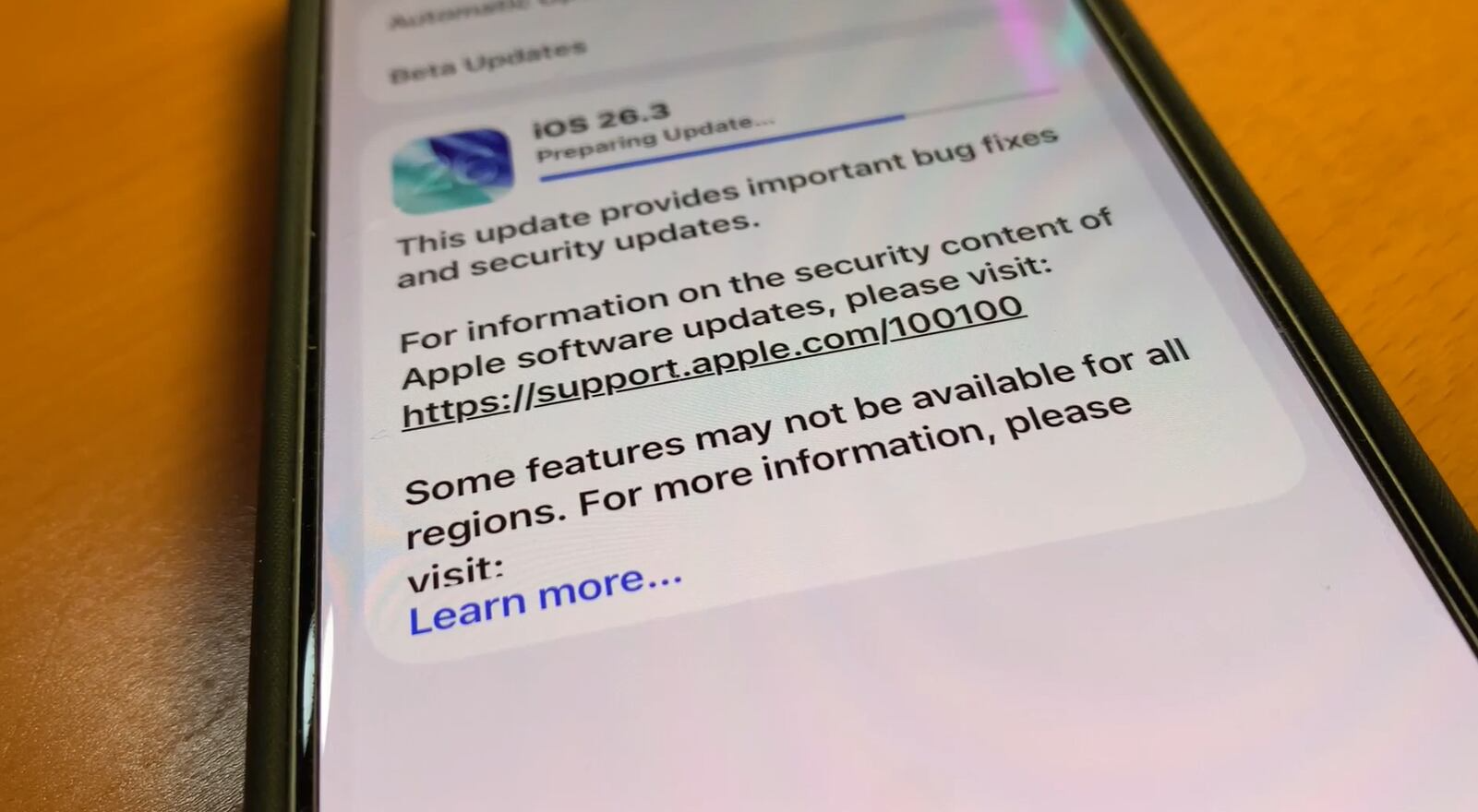
Moreover, individuals can benefit significantly from understanding how to recognize genuine update notifications, especially when countering the threat of phishing. Cybercriminals often exploit users’ confusion, sending fake update prompts that seek to harvest personal information. Encouraging users to verify sources before acting can lead to more secure computing environments.
As the digital footprint continues to expand, fostering a culture that values software updates as a cornerstone of device security becomes increasingly essential. A collective effort from users, developers, and organizations is imperative in safeguarding digital assets and ensuring the security of all interconnected devices.
DIVE DEEPER: Click here to learn about effective usability testing
Conclusion: The Crucial Role of Software Updates in Enhancing Device Security
In an era defined by rapid technological advancements and increasing cyber threats, the significance of software updates for device security cannot be overstated. As this article has highlighted, failing to install updates can lead to devastating consequences, with a staggering 60% of data breaches occurring due to known vulnerabilities. This stark reality emphasizes the necessity for users and organizations to adopt a proactive approach where updates are not seen as optional but essential.
Developers play a vital role in this ecosystem, diligently working to patch vulnerabilities and improve user experiences through regular updates. The evident commitment from companies like Google and Microsoft showcases how timely updates can significantly enhance security and foster user trust. Users must recognize that every application, regardless of its size, requires meticulous attention; neglecting seemingly minor software can open doors to substantial risks, as concluded by research indicating that 70% of cyberattacks focus on outdated applications.
Moreover, promoting education and awareness surrounding updates is crucial. By training individuals to identify genuine update notifications and dismiss phishing attempts, organizations can fortify their defenses against cyber threats. Ultimately, a collective commitment from all parties—developers, businesses, and users—toward regular software updates creates a digital environment that prioritizes security and resilience.
As we navigate this increasingly interconnected world, viewing software updates as a fundamental aspect of device security is not just wise; it is imperative for safeguarding our digital lives. Embracing this essential practice can lead to a safer, more secure online experience for everyone.