
How Software Updates Can Influence the Lifespan of Devices
The Impact of Software Updates on Device Longevity
In today’s fast-paced technological landscape, understanding the role of software updates is crucial for maximizing the lifespan of our devices. These updates often come packed with new features, security improvements, and performance enhancements. But their influence extends far beyond immediate benefits.
Let’s begin with one of the principal advantages: enhanced security. Regular updates patch vulnerabilities that could leave devices at risk, a reality that becomes increasingly important as cyber threats evolve. For example, major breaches like the Equifax hack have shown how outdated software can jeopardize personal information and financial security. By keeping devices current with the latest updates, users can help shield themselves from hackers who exploit known vulnerabilities.
Moving to improved performance, updates can optimize system functionality, making devices run smoother and faster. A notable case is Apple’s iOS updates, which frequently include performance enhancements that streamline over time. Users often find that their devices feel more responsive post-update, as background processes get fine-tuned and unnecessary functionalities get trimmed away. Such optimizations not only enhance the user experience but can also prolong device usage, delaying the need for replacements.
Another significant advantage presented by updates is the introduction of new features. Whether integrating advanced camera functionalities in smartphones or enhancing usability in operating systems, these improvements keep devices relevant in a rapidly evolving tech environment. For instance, a simple update on an Android device may include new photo editing tools or advanced voice recognition features that can breathe new life into a device that may feel outdated otherwise.
Neglecting software updates can lead to a range of problems. Users may experience slower performance, a consequence of outdated software not being able to manage modern applications effectively. Moreover, one risk that users face is compatibility issues, where failing to update software may render vital apps unusable. This can be particularly frustrating in professional settings, where productivity tools are crucial for daily operations.

Another concern is the reduced support that manufacturers offer for outdated software. After a certain period, companies typically cease support for older versions, leaving users without assistance if a problem arises. This is particularly noteworthy in industries relying heavily on software solutions, as any breakdown can cause delays and increased costs.
Additionally, potential data loss is a significant threat linked to older software. Outdated systems often harbor vulnerabilities that can be exploited, risking the compromise of valuable data. For individuals and businesses alike, protecting sensitive information is paramount, making regular updates a necessary precaution.
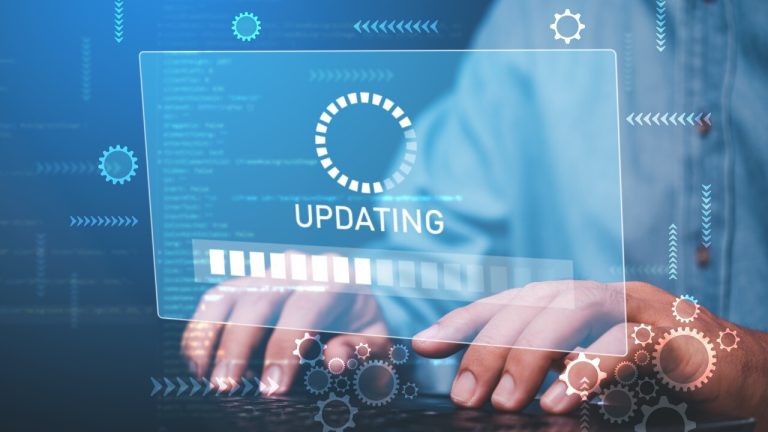
This exploration of the implications of software updates underscores how staying up-to-date can significantly affect device longevity. By implementing best practices, such as enabling automatic updates or regularly checking for manual updates, users can ensure their technology remains viable for years to come. Those notifications for software updates are not just recommendations; they are vital to our digital lives, safeguarding our devices and enhancing their functionality. Therefore, the simple act of clicking “update” plays a pivotal role in maintaining the integrity and efficiency of our electronic companions.
DISCOVER MORE: Click here for insights on effective usability testing
The Vital Role of Security in Device Longevity
When examining how software updates can influence the lifespan of devices, it is essential to highlight the importance of security enhancements. As technology continues to advance, so do the strategies employed by cybercriminals. Staying ahead of these threats is paramount, and regular software updates are the first line of defense. For instance, according to cybersecurity reports, approximately 90% of data breaches exploit known vulnerabilities. This staggering statistic underscores the necessity of keeping systems updated to mitigate risks.
Moreover, operating systems and applications often receive updates specifically designed to address newly discovered security flaws. For example, companies like Microsoft and Apple regularly release critical patches to their software, fixing vulnerabilities that could otherwise allow malicious actors to gain access. This form of preventative maintenance not only secures personal data but also bolsters the overall integrity of the device, effectively extending its usable life.
Performance Optimization Through Updates
In addition to security benefits, updates are instrumental in enhancing the overall performance of devices. Over time, the performance of electronic devices may diminish due to a combination of outdated software and increasing demands from newer applications. Regular updates can help alleviate these issues by improving system efficiency. For example, Android updates often come equipped with optimizations that can significantly improve battery life and speed. Users consistently report a marked difference in the responsiveness of their devices after updates, suggesting that neglecting them could lead to a noticeable decline in performance.
- Battery life: Updates can introduce better battery management features, prolonging the time users can work without charging.
- Processor efficiency: Regular updates help devices manage processing power more effectively, allowing for smoother multitasking.
- Memory management: Through updates, manufacturers can refine memory usage, reducing lag and stuttering in applications.
Furthermore, updates provide access to new functionalities that can drastically enhance user experience. For example, as streaming services evolve, they frequently update their applications to improve video quality and user interface, ensuring that users can take full advantage of the latest technological advancements. Without updating their software, users may find themselves unable to enjoy modern features or even new versions of essential applications, which can feel frustrating and counterproductive.
The Risks of Neglecting Updates
Conversely, avoiding updates can lead to a host of problems that could curtail the lifespan of devices. Users may experience increased system malfunctions, where outdated software cannot adequately support newer applications or security protocols. This degradation of performance not only compromises the device’s functionality but can also lead to abrupt crashes and data loss, which can tarnish an otherwise productive user experience.
Additionally, devices that fall behind on updates may find themselves facing incompatibility issues. For example, popular apps are often designed with the latest operating systems in mind, and failing to keep up with updates may result in users being unable to run crucial software for work or personal use. Such inconveniences not only hinder productivity but can also lead to costly replacements when devices are deemed obsolete.
In summary, understanding how software updates can influence the lifespan of devices is vital for optimizing both individual use and overall security. The interwoven relationship between security, performance, and updates is complex but incredibly important for every device user. Embracing a routine of regular updates can lead to a more secure, efficient, and longer-lasting device.
When discussing the impact of software updates on the lifespan of devices, one crucial aspect emerges: enhanced security features. As technology progresses, so too do the methods used by cybercriminals. Frequent software updates are essential for patching vulnerabilities that could be exploited to compromise devices. For instance, operating systems like Android and iOS regularly issue updates that significantly reduce the risk of malware attacks, ensuring that users can operate their devices with peace of mind. This is particularly important in an age where personal data is at high risk, and one outdated application can serve as an easy gateway for hackers.
Moreover, companies often release updates that optimize device performance. These updates can streamline processes, enhance battery efficiency, and fix bugs that may affect the overall usability of the device. For example, a smartphone that receives regular updates can benefit from reduced crash rates and improved processing speeds. Users often notice that their older devices, even when they seem sluggish, can function smoothly after such enhancements. Continued support through software updates often leads to an extension of a device’s usable life, thereby offering consumers a better return on their investments.
As the industry evolves, it becomes clear that neglecting these software updates could not only compromise security but also degrade device performance over time. This creates a compelling reason for individuals to prioritize updates, not just for security, but for maintaining a seamless user experience throughout the lifespan of their digital devices.
| Category 1 | Category 2 |
|---|---|
| Security Enhancements | Regular updates patch vulnerabilities, safeguarding user data. |
| Performance Optimization | Updates improve device speed and efficiency, prolonging usability. |
These facets illustrate the critical role software updates play not just in the realm of security, but also in enhancing the performance and longevity of devices. As users become more aware of these factors, the conversation around essential software updates will undoubtedly continue to gain momentum.
DIVE DEEPER: Click here to uncover more insights
The Influence of Updates on Usability and User Experience
Another pivotal aspect to consider when discussing how software updates can influence the lifespan of devices is their impact on usability and overall user experience. Software updates are not merely about fixing bugs or patching security holes; they often introduce new features and enhance existing ones. This evolution directly contributes to a more engaging, satisfying, and efficient user experience.
Take, for instance, the regular updates provided by companies such as Apple and Google for their mobile operating systems. These updates frequently include enhancements that adapt to how users interact with their devices. For example, Apple’s iOS updates often incorporate improved user interfaces and accessibility features that cater to a diverse range of users, including those with disabilities. Such enhancements not only make the device more enjoyable to use but also ensure that users can leverage newer, more intuitive tools for their tasks, extending the practical lifespan of the device.
The Cycle of Technological Advancements
Moreover, software updates keep devices in sync with the rapid pace of technological advancements. Neglecting updates can lead to a disconnect between a device’s hardware capabilities and the software it runs. For instance, a smartphone with a powerful camera may become significantly less appealing if the software does not receive periodic updates to improve image processing algorithms. Current software can facilitate advanced photographic features such as night mode or augmented reality, essential for keeping pace with the evolution of user expectations in photography and gaming.
In this sense, software updates act as a bridge that allows older devices to leverage more recent advancements in technology. A prime example is the introduction of 5G connectivity; devices that receive timely updates are more likely to support this feature, thereby enhancing their usability long after their initial release. Conversely, failing to stay updated may render devices obsolete as users become accustomed to newer technologies and functionalities, leading them to seek out more capable replacements.
The Importance of Community Support
In addition to manufacturer updates, many devices benefit from a robust community of developers and users who create custom firmware and third-party applications. Devices like Android smartphones often enjoy a vibrant ecosystem where users can install modified operating systems that may enhance performance, battery life, and customization options. These community-driven updates can prolong the life of older devices that official manufacturers may no longer support. However, the safety and reliability of such alternatives largely depend on the vigilance of users to keep abreast of updates and cybersecurity measures.
Yet while the emphasis on user-driven updates presents exciting opportunities, it also underscores the importance of diligent maintenance. Users must ensure that they are aware of the potential risks involved with non-official software to protect their devices from threats that could ultimately reduce their lifespan.
Cost Efficiency and Sustainability
Finally, regular software updates not only benefit users in terms of functionality but also contribute to greater cost efficiency and sustainability. Extending the lifespan of devices through software updates minimizes the need for frequent replacements, which can be both financially burdensome and detrimental to the environment. A dedicated effort to keep devices updated can foster a culture of sustainability, extending the life of technology and reducing electronic waste.
As consumers become increasingly concerned about environmental impacts, awareness of the possibility to lengthen the lifespan of devices through regular updates will undoubtedly grow. Ultimately, the responsibility lies with users to embrace the importance of updates and take proactive steps to ensure their devices remain secure, efficient, and relevant in the ever-evolving tech landscape.
DIVE DEEPER: Click here to learn about effective usability testing
Conclusion
In summary, software updates play an indispensable role in not only enhancing the functionality and user experience of devices but also significantly influencing their lifespan. By introducing innovative features and improvements, these updates allow users to remain engaged and take full advantage of their devices’ capabilities, keeping them relevant in a fast-paced tech environment. Moreover, as we navigate an era marked by rapid technological advancements, staying updated ensures that devices remain compatible and harness the latest features, thus preventing them from becoming obsolete.
The impact of software updates extends beyond just individual users; they foster a culture of sustainability by reducing the frequency of device replacements. By enhancing performance and ensuring security, regular updates help users save money while also contributing to a decrease in electronic waste, positively affecting the environment. Furthermore, the role of community support in developing custom firmware provides users an additional avenue to extend the life of their devices, albeit with caution regarding safety and reliability.
As consumers grow more aware of the importance of digital sustainability, the conversation around software updates will become increasingly significant. It is crucial for users to embrace the practice of updating their devices, which can result in a more seamless technology experience while promoting responsible consumption. By prioritizing software updates, we empower ourselves to maximize the lifespan of our devices, enabling us to navigate the ever-evolving tech landscape efficiently and responsibly.