Mindfulness Techniques Through Apps to Improve Focus and Concentration
The Importance of Mindfulness in Modern Life
In today’s fast-paced world, maintaining focus and concentration can feel like an uphill battle. With constant notifications and information overload, many individuals are turning to technology for help. Fortunately, mindfulness apps have emerged as a powerful solution to cultivate attention and clarity. These digital tools not only provide innovative techniques for managing stress but also support the development of important cognitive skills that benefit both personal and professional lives.
Mindfulness applications have gained popularity among diverse demographics, from busy professionals in urban centers like New York City to students juggling assignments and extracurricular activities. These apps offer a variety of techniques designed to improve mental focus, including:
- Guided Meditations: Led by experienced instructors, these sessions can last anywhere from a few minutes to an hour, helping users create a calm mind. For example, the Headspace app provides themed sessions that address particular issues such as stress management or improving sleep.
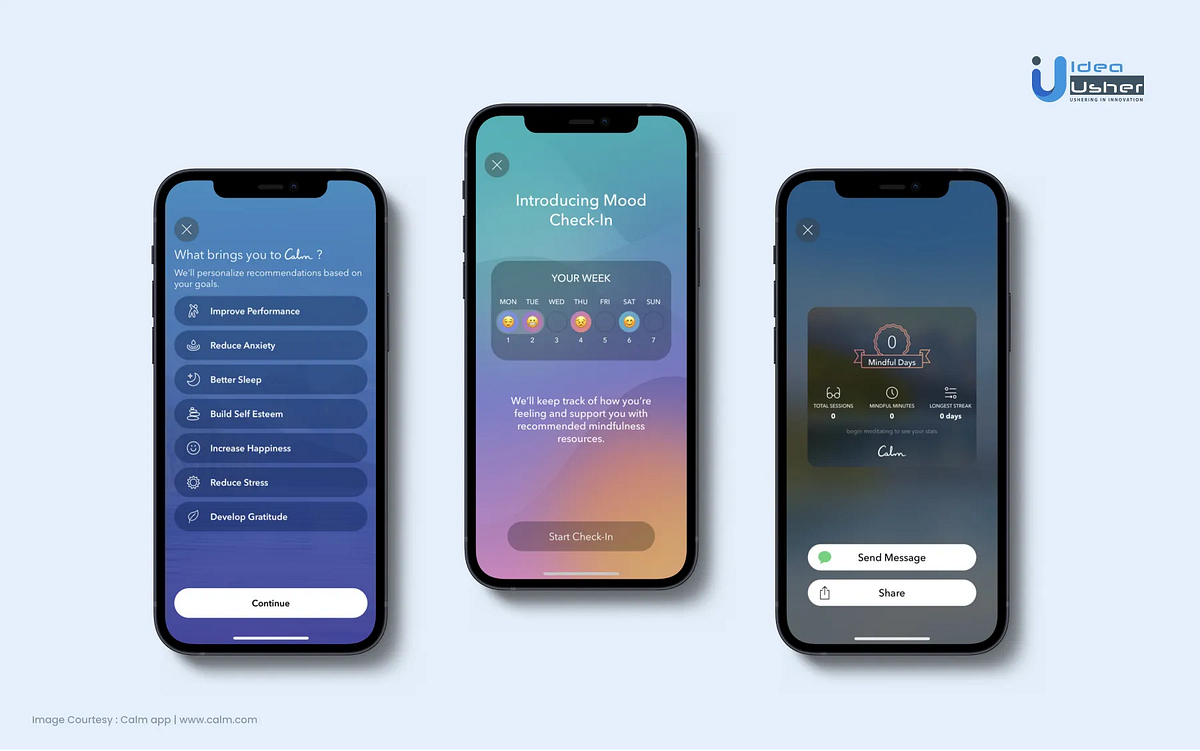
- Breathing Exercises: Simple yet effective breathing techniques can enhance concentration and reduce anxiety. Apps like Calm feature exercises that teach users how to use breath as an anchor, aiding in grounding oneself amidst distractions.
- Mindfulness Reminders: Notifications encourage users to pause and refocus throughout their day. Using customizable prompts, these reminders can serve as gentle nudges to practice presence, whether during lunch breaks at the office or while commuting.
Research suggests that regular mindfulness practice can lead to significant cognitive benefits. For instance, a meta-analysis published in the journal Psychological Bulletin found that mindfulness improves attention, enhances memory retention, and boosts overall productivity. This is crucial in today’s knowledge economy where multitasking is the norm yet often counterproductive.
- Increase Attention Span: Mindfulness practices help train the brain to sustain attention longer, which is particularly beneficial in work environments requiring prolonged focus.
- Enhance Memory Retention: Studies have indicated that mindfulness can bolster the hippocampus, the brain area responsible for memory, enhancing one’s ability to retain and recall information.
- Boost Overall Productivity: Many professionals report higher output when engaging in mindfulness practices, attributing this to improved focus and reduced stress levels.
As more Americans seek ways to improve their mental wellness, exploring these innovative mindfulness techniques through apps is certainly worth considering. Whether you’re a student looking to enhance your study habits, a working professional aiming to manage stress effectively, or simply someone interested in cultivating a more attentive life, these tools are designed to support you on your journey. By dedicating just a few minutes each day to mindfulness, one can unlock hidden potentials, transform focus, and achieve personal goals more effectively. Stay with us to discover more about how these apps can transform your ability to concentrate and achieve your goals efficiently.
DISCOVER MORE: Click here for insights on usability testing
Exploring Mindfulness Techniques in Apps
As the demand for effective focus and concentration increases, many individuals are discovering the multifaceted approach that mindfulness apps offer. These applications are not just tools; they are gateways to enhancing cognitive skills and emotional well-being. With a plethora of options available, users can dive into a range of techniques tailored to their specific needs. Understanding how these mindfulness practices work and their impact on focus can empower anyone to better navigate life’s distractions.
One of the most popular features of mindfulness apps is the availability of guided meditations. These sessions can help users develop self-awareness, fostering a deeper understanding of their thoughts and feelings. For instance, the app Insight Timer offers a library with thousands of free guided meditations that cater to different experiences, such as improving productivity or nurturing self-compassion. By allowing users to listen to expert instructors, these guided sessions simplify the process of incorporating mindfulness into daily routines.
Another vital component is breathing exercises, often touted as the cornerstone of mindfulness practice. Apps like Buddhify provide various breathing techniques aimed at enhancing focus and alleviating anxiety. Users can engage in simple exercises, such as deep belly breathing, which brings attention back to the present moment and reduces mental clutter. Research indicates that even just a few minutes of focused breathing can activate the body’s relaxation response, leading to improved concentration levels.
Journaling features in mindfulness apps also offer a unique way to enhance focus. By prompting users to reflect on their experiences and emotions, apps like Day One encourage self-expression and clarity of thought. This practice not only aids in emotional processing but also enhances cognitive function by helping users organize their thoughts and goals. Writing about daily experiences can act as a cognitive cleanse, allowing for a refreshed and more focused mindset.
- Customization Options: Mindfulness apps often allow users to customize their meditation sessions, providing options for background sounds, session lengths, and topics that speak to personal objectives, whether it be stress relief or sharpening focus.
- Daily Challenges: Some apps offer daily challenges that motivate users to practice mindfulness regularly. This gamification element encourages routine engagement, making mindfulness less of a chore and more of an enjoyable habit.
- Community Support: Many of these apps feature community boards or support groups, allowing users to connect with others on a similar mindfulness journey. Engaging in discussions or sharing experiences can bolster motivation and deepen their practice.
Utilizing these mindfulness techniques through apps can create a profound shift in how users approach their daily tasks. Whether it is a simple exercise or an in-depth guided meditation, the blend of science-based practices and user-friendly technology opens doors for everyone to enhance their focus and concentration. As such, individuals are empowered to reclaim their attention and reclaim their time, allowing them to engage more fully with their personal and professional lives. The next step involves examining specific apps that excel in supporting mindfulness and the benefits they provide through continued practice.
| Advantages | Key Features |
|---|---|
| Enhanced Focus | Mindfulness apps utilize meditation techniques to train the mind, leading to improved concentration levels. |
| Stress Reduction | Regular use of these apps can help lower stress and anxiety levels, which are often barriers to effective focus. |
In the rapidly evolving digital age, integrating mindfulness techniques through apps has emerged as an innovative solution to improve focus and concentration. One of the standout benefits offered by these applications is the promise of enhanced focus. They employ a variety of meditation methods that engage users, effectively training their minds to lessen distractions and bolster concentration. Moreover, the intuitive design of these apps allows individuals to easily fit mindfulness practices into their daily routines, making the journey toward improved mental clarity accessible to everyone.Another significant advantage is the stress reduction that accompanies regular mindfulness practice. Users often report a decrease in anxiety and stress levels, creating a soothing mental environment that promotes better attention span. Such improvements not only aid in personal productivity but also uplift overall well-being. Exploring the vast array of available mindfulness apps can open up new avenues for enhancing focus, ultimately leading to a more productive lifestyle.
LEARN MORE: Click here to discover effective usability testing techniques
Leveraging Technology for Mindfulness and Focus
As innovative technology merges with age-old traditions of mindfulness, apps have begun to create holistic environments that foster improved focus and concentration. Beyond just guided meditations and breathing exercises, these applications introduce users to an array of features that adapt mindfulness principles to everyday life, maximizing productivity and cognitive clarity. This adaptability makes mindfulness accessible to a broader audience, meeting both beginners and experienced practitioners where they are on their journey.
One groundbreaking approach that several apps embrace is the mindfulness reminder feature. Apps like Calm integrate reminders that prompt users to pause and engage in deep breathing or brief meditative moments throughout their busy day. These alerts serve as gentle nudges to bring awareness back to the present moment, which can be particularly beneficial during high-stress situations like work deadlines or family responsibilities. Research indicates that these brief intervals of mindfulness can help reduce stress significantly, facilitating a clearer mental state and improved focus when returning to tasks.
The inclusion of mindfulness playlists is another feature gaining traction, allowing users to curate auditory experiences tailored to their focus needs. For example, Headspace offers options with ambient sounds or soothing music specifically designed to enhance concentration. The scientific community acknowledges that sound can profoundly affect cognitive performance; utilizing such playlists helps users lock in their focus while simultaneously disengaging from external distractions. Within the competition of modern distractions, finding the right auditory backdrop can elevate productivity levels substantially.
- Progress Tracking: Many mindfulness applications include tracking features that enable users to measure their progress in practicing mindfulness techniques. Monitoring duration, consistency, and user-defined goals not only provides motivation but also offers insights into how these practices influence overall focus and concentration over time.
- Integration with Daily Tasks: Some apps have taken it a step further by allowing users to integrate mindfulness practices into their daily tasks. By using time-tracking applications in conjunction with mindfulness features, individuals can structure their day to ensure rejuvenation breaks, leading to enhanced concentration during work periods.
- Biofeedback Mechanisms: Advanced mindfulness applications are incorporating biofeedback tools, which monitor users’ physical responses such as heart rate variability. These metrics provide real-time data on how well users are managing stress, consequently guiding them in tailoring their mindfulness exercises to improve focus and emotional balance.
Community tools are also an essential element in modern mindfulness applications. Forums and groups allow users to share experiences and insights, creating a supportive environment that encourages ongoing engagement with mindfulness practices. Users often find an added layer of accountability in these communities, where they can discuss goals, achievements, and challenges related to focus and concentration. This collective approach draws inspiration from mindfulness traditions that emphasize connection and support within groups, reinforcing psychological resilience.
As technology continues to evolve, so too do the possibilities for integrating mindfulness techniques into everyday life. Users can experience a significant transformation in their ability to maintain focus and concentration through their smartphone apps. This seamless blend of innovative features with mindfulness practices enables individuals to harness their cognitive potential in a sustainable and engaging manner, equipping them with the tools necessary to succeed in both their personal and professional endeavors.
LEARN MORE: Click here to dive deeper into effective usability testing
Conclusion
In a world rife with distractions, the intersection of technology and mindfulness offers essential tools for enhancing focus and concentration. By leveraging mindfulness techniques through apps, individuals can cultivate an intentional practice that fits seamlessly into their busy lives, all tailored to meet their specific needs and preferences. The multitude of features—ranging from progress tracking to community support—empower users not only to engage more deeply with their mindfulness journey but also to witness tangible improvements in their cognitive abilities.
As studies increasingly highlight the benefits of mindfulness in reducing stress and enhancing mental clarity, integrating these practices into daily routines through mobile applications is no longer just a trend; it is becoming a necessity for achieving personal and professional excellence. The numerous options available can accommodate both beginners seeking guidance and experienced practitioners looking for nuanced approaches, ensuring that mindfulness remains accessible to all.
Ultimately, by utilizing these innovative apps, users are not simply adopting a passive form of relaxation but actively reshaping their mental landscapes to thrive in challenging environments. As technology advances, the potential for such apps to evolve and further incorporate research-backed strategies is immense, promising even greater efficacy in improving focus and concentration. Whether you’re a student, a professional, or anyone seeking to enhance your cognitive function, exploring the world of mindfulness through apps may well be your next step towards unlocking your full potential.