How to Integrate Gamification to Improve User Experience in Apps
Understanding Gamification in User Experience Design
In the fast-paced landscape of digital technology, where apps compete for user favor, the need for a memorable user experience has never been more pronounced. As users navigate through an ocean of choices, capturing and sustaining their attention poses a unique challenge for developers and designers alike. This is where gamification emerges as a game-changing strategy, infusing elements typically found in games into non-gaming contexts to create a more engaging and interactive experience.
At its core, gamification seeks to transform routine tasks into engaging activities by incorporating mechanisms designed to motivate and inspire users. Here are some of the key components that can significantly enhance user interaction:
- Point systems: By rewarding users for completing tasks, apps can create a sense of accomplishment. For instance, fitness applications like Strava allow users to earn points for logging workouts, which can be used to unlock achievements or discounts, thus encouraging consistent engagement.
- Leaderboards: These foster healthy competition among users. Popular gaming platforms such as PlayStation Network use leaderboards to showcase top players, which encourages users to improve their skills and climb the ranks within their communities.
- Badges: Recognizing user achievements through digital badges can enhance user satisfaction and encourage further participation. Apps like Duolingo reward language learners with badges for reaching milestones, thus providing a visual representation of progress.
- Challenges: These can inspire users to set personal goals and share their progress with others. Platforms like Fitbit frequently host challenges, encouraging users to compete against friends or family, which not only boosts engagement but also alleviates the monotony of routine exercise.
When effectively integrated into app design, these gamification elements can significantly enhance user loyalty and retention rates. Research indicates that apps utilizing gamification strategies can increase user engagement by over 30%, highlighting its effectiveness in drawing users back into the app environment.
As we delve deeper into this topic, the article will provide a comprehensive exploration of various techniques for implementing gamification in your app design. With practical tips, real-world applications, and successful examples from leading companies, you will gain insights into how to create an engaging experience that keeps your users coming back for more.
LEARN MORE: Click here for effective usability testing tips
Key Techniques for Implementing Gamification in App Design
To effectively harness the power of gamification, it’s essential to understand the various techniques that can be integrated into your app’s design. By incorporating these elements deliberately and strategically, developers can create an environment that fosters engagement and satisfaction, enticing users to interact with the app more frequently. Below are several techniques to consider when integrating gamification:
- Storytelling: Engaging users through compelling narratives can significantly enhance their connection to an app. By creating a storyline that reflects the user’s journey and incorporates their achievements, you can foster emotional engagement. For instance, apps like Elevate, which focuses on brain training, utilize personalized storylines that encourage users to stick with their daily exercises.
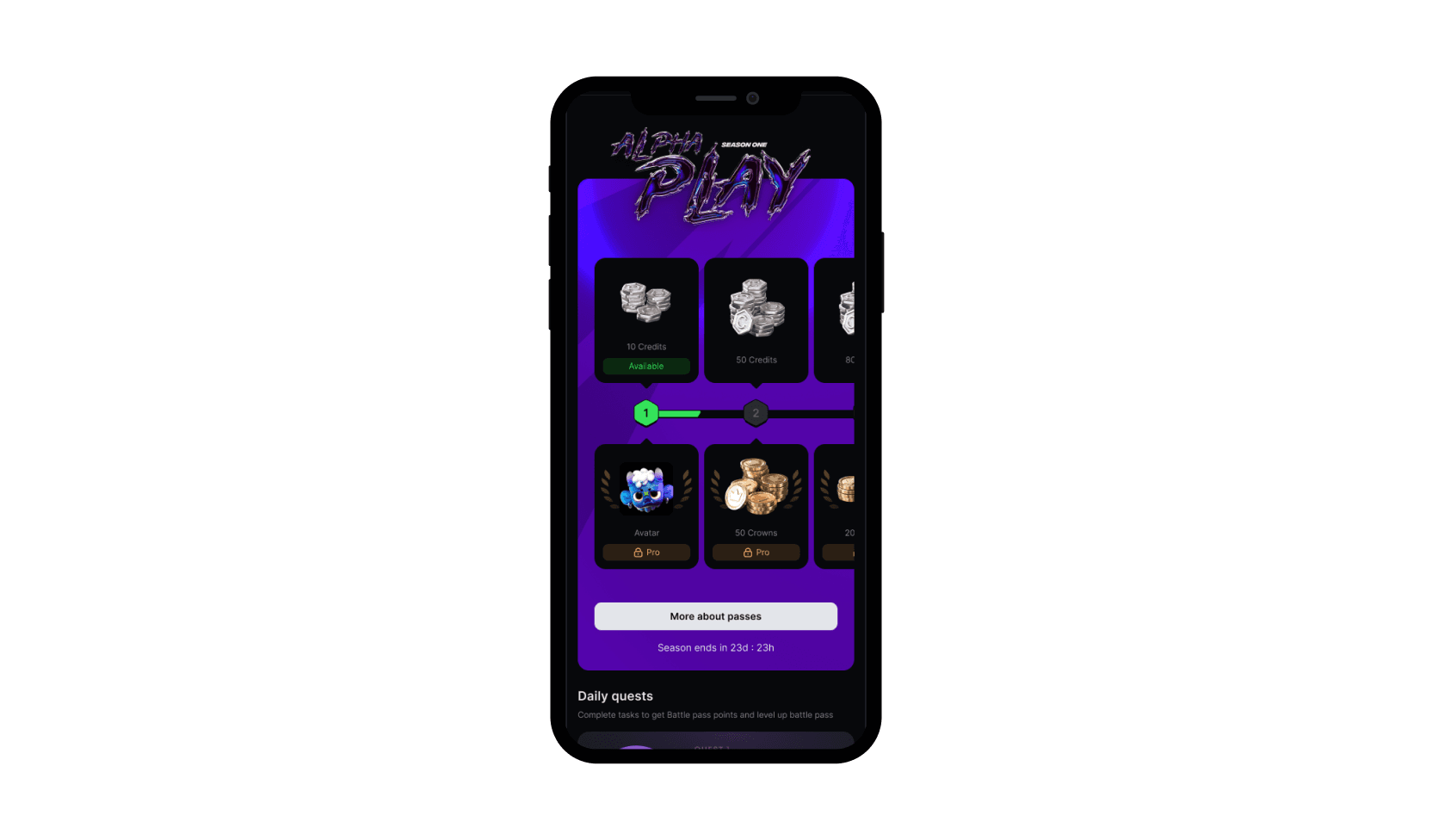
- Progress Tracking: Visual representations of a user’s progress keep them motivated and aware of their achievements. For example, fitness and productivity apps often employ visual timelines or progress bars that illustrate how far a user has come towards their goals, effectively instilling a sense of purpose in their daily activities.
- Rewards and Incentives: Besides points and badges, diverse rewards can captivate a broader audience. These can range from unlocking new features, receiving discounts, or accessing exclusive content. An example is Starbucks, which uses a rewards program within their app that fosters customer loyalty through enticing incentives for frequent purchases.
- Social Interaction: Integrating social features can significantly enhance user experience. Allowing users to connect with friends, share achievements, or form groups increases the competition and camaraderie within the app. Social connectivity is prominently featured in apps like MyFitnessPal, where users can encourage one another, share tips, and celebrate milestones together.
Each of these techniques serves to address the varying motivations and preferences of users, allowing for a tailored and immersive experience. However, it’s crucial to strike a balance—too much gamification can lead to user fatigue while too little may not be enough to keep users engaged. Adopting a thoughtful approach to implementing gamification elements can set an app apart in a saturated market.
Additionally, it’s important to gather data continuously. By monitoring user behavior and feedback, developers can tweak and refine the gamification elements. Research indicates that apps employing these methods not only engage users but also increase user retention rates, with as much as 87% of users expressing a greater likelihood of returning after experiencing gamified features.
In the ever-evolving digital landscape, integrating gamification techniques is not just a trend but a valuable strategy for enhancing user experience. As we progress further, this article will explore case studies and analyze the successes of various apps that have effectively executed these strategies, offering you practical insights to apply in your own app development journey.
Benefits of Gamification in User Experience
Integrating gamification within apps enhances user experience in a multitude of ways. By employing game-like elements, developers can significantly increase engagement and retention rates among users. Understanding these advantages is crucial for any designer looking to optimize user interaction.
| Category | Description |
|---|---|
| Increased Engagement | Gamification elements like points, badges, and leaderboards create an interactive environment that motivates users to participate more actively. |
| Enhanced Retention | Apps that utilize gamified experiences retain users longer, as they feel a sense of achievement and progress by interacting with gamified features. |
The implementation of gamification not only makes the app more enjoyable but also encourages users to reach their goals more efficiently while fostering a loyal user base. Discovering the potential of gamification within your application can transform user behavior, guiding them toward success and satisfaction.
DISCOVER MORE: Click here to learn how to conduct effective usability testing
Engagement Metrics: Measuring Success in Gamified Apps
Understanding the effectiveness of gamification is essential for continual improvement and user satisfaction. By analyzing engagement metrics, developers can unveil how users interact with gamified elements, revealing how well these techniques are resonating. The right metrics can pinpoint areas for enhancement and drive the app toward higher levels of user retention. Here are key engagement metrics to consider:
- Daily Active Users (DAU) and Monthly Active Users (MAU): Tracking DAU and MAU offers insights into user engagement over time. A marked increase in these numbers post-gamification implementation indicates that users are finding value and enjoyment in the new features.
- Session Length: Monitoring how long users spend within the app can help determine if gamification efforts are successfully encouraging prolonged engagement. Longer session lengths often signify that users are absorbed in the content and experiences the app provides.
- Churn Rate: This metric measures the percentage of users who stop using the app over a given timeframe. A decrease in churn rate following the introduction of gamified elements indicates their positive impact on user retention, suggesting that users are motivated to continue interacting with the app.
- Completion Rates: For apps with specific goals, such as learning platforms or fitness apps, it’s vital to measure the rate at which users complete challenges or tasks. High completion rates may emphasize that gamified incentives are effectively driving users to achieve their objectives.
To gather this data effectively, employing analytical tools such as Google Analytics, Mixpanel, or Amplitude can help provide deep insights into user behavior. These tools can track user interactions in real-time, allowing developers to make swift and informed decisions based on user preferences.
Customization and Personalization in Gamification
Another powerful aspect of integrating gamification is the ability to customize user experiences, tailoring them to individual preferences and behaviors. Personalizing app elements can significantly enhance user engagement and satisfaction. Here are some strategies to implement customization:
- Adaptive Challenges: By analyzing user data, apps can offer personalized challenges that match individual skill levels or interests. For instance, Duolingo customizes language lessons based on previous performance, ensuring users remain challenged but not overwhelmed.
- Dynamic Content: Tailoring content based on user preferences can encourage users to keep coming back to the app. Netflix, for example, uses data-driven algorithms to recommend shows or movies that align with a user’s viewing history, effectively gamifying the selection process.
- User-Created Content: Allowing users to contribute their own challenges or content can increase investment in the app. Platforms like Twitch enable users to interact and create challenges for each other, fueling a sense of community that keeps users engaged.
By combining gamification with advanced personalization strategies, developers can create experiences that are not only entertaining but also profoundly relevant to users’ goals and interests. As the mobile app market becomes increasingly competitive, those who leverage engagement metrics and personalization stand to not only capture users’ attention but also maintain a loyal user base.
In summary, integrating gamification into app design requires a nuanced approach that involves understanding both the effectiveness of its implementation through key metrics and how customization can enhance user interaction. This intricate balance will ultimately pave the way for a more immersive and rewarding user experience.
DON’T MISS: Click here to enhance your usability testing skills
Conclusion: The Future of User Engagement through Gamification
In an age where user expectations continue to evolve, integrating gamification into apps has emerged as a critical strategy for enhancing user experience. By harnessing engagement metrics, developers can fine-tune the gamified aspects of their applications to better cater to user preferences, ultimately fostering stronger interactions. Metrics such as DAU, session length, and churn rate become essential tools in understanding how well these elements resonate with audiences. Moreover, the incorporation of customization and personalization allows developers to craft unique experiences that not only engage users but make them feel valued and connected to the app’s objectives.
As technology advances, the potential for innovation in gamification offers an exciting canvas for app developers. The power of personalized adaptive challenges, dynamic content recommendations, and user-generated contributions enables a rich tapestry of interactions that can captivate users and keep them coming back for more. By merging user feedback with analytical tools, businesses can navigate uncharted territories in the app landscape—ensuring they not only meet user needs but exceed them.
Ultimately, the integration of gamification is not just about adding fun elements; it’s about creating a deeply engaging experience that encourages users to reach their goals while feeling a sense of accomplishment and enjoyment. As developers continue to explore new horizons in gamification, the potential for user experience breakthroughs remains limitless, promising a future where users are not mere recipients of content but active participants in a rewarding journey.