The Psychology of Space Efficiency: How Optimizing Your Environment Can Boost Productivity and Well-Being
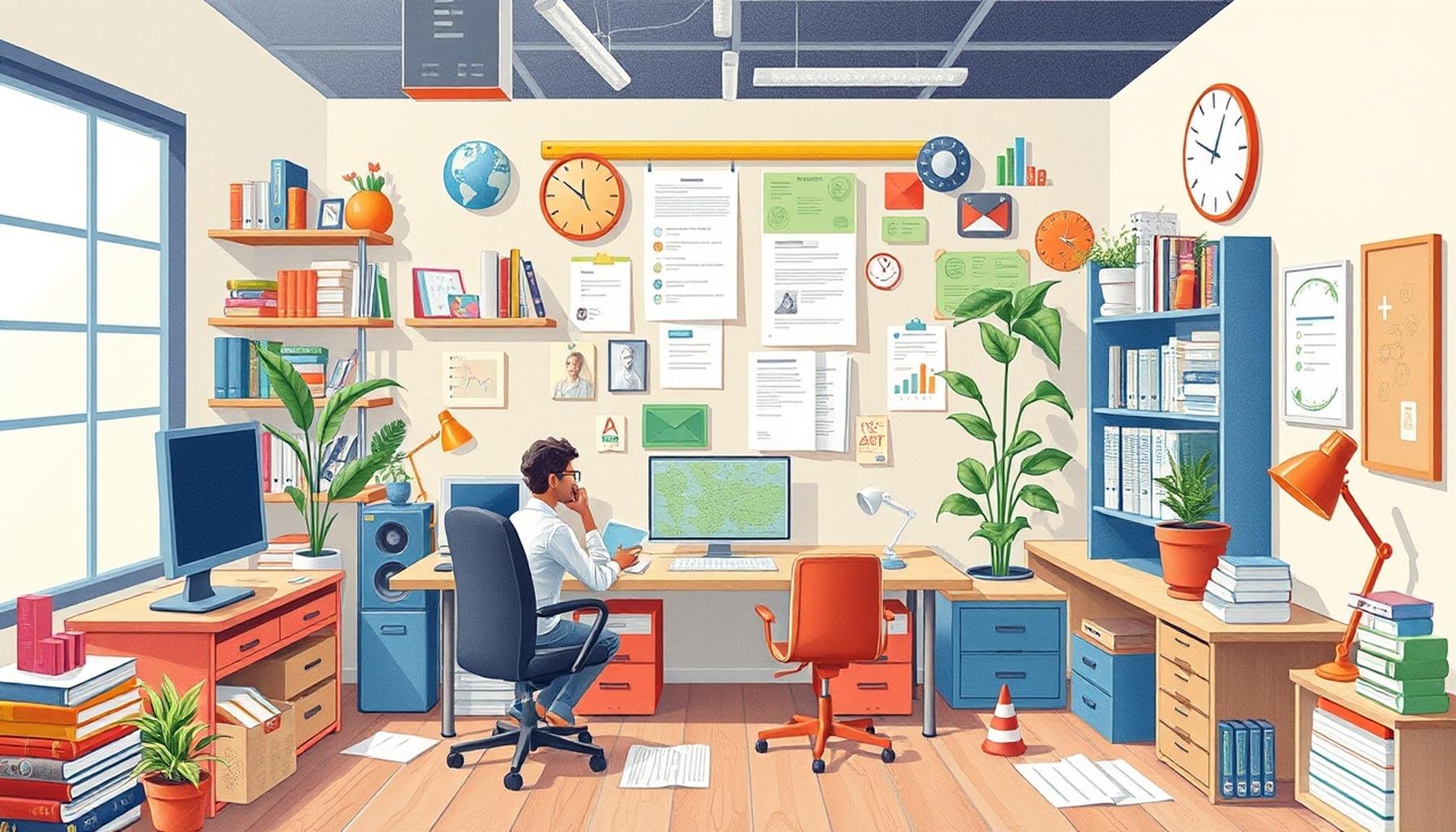
Your surroundings may be more influential than you think
In a world where time is precious, the psychology of space efficiency plays a crucial role in determining how effectively we work and how we feel. The way we design and utilize our environment can profoundly affect our productivity and overall well-being. Simple changes in your workspace or home office can lead to significant improvements in focus, creativity, and mood.
What is Space Efficiency?
Space efficiency refers to how well an environment is designed to facilitate productivity and well-being. When optimized, a workspace can become a catalyst for:
- Increased focus: Reduced distractions lead to higher concentration. For instance, studies have shown that environments with fewer visual clutter can enhance a person’s ability to focus on tasks at hand.
- Enhanced creativity: Thoughtfully arranged spaces can inspire innovative ideas. The layout of a room, the choice of colors, and the arrangement of furniture can all significantly impact creative thinking. For example, companies like Google and Facebook invest heavily in office designs that promote collaborative spaces, resulting in groundbreaking innovations.
- Improved mood: A well-organized environment can lead to greater job satisfaction. Employees working in pleasant and aesthetically pleasing surroundings often report lower levels of stress and higher overall happiness. Research indicates that elements like greenery and artwork can boost morale.
Key Elements of Space Efficiency
To harness the benefits of space efficiency, consider these key factors:
- Decluttering: Remove unnecessary items to create a more open and calm atmosphere. The minimalist approach that many modern workers adopt demonstrates that a clutter-free space can enhance clarity of thought and decision-making processes.
- Design: Ergonomic furniture and ideal layouts can significantly impact comfort. Invest in chairs that support good posture and desks that allow for adjustable heights. This kind of thoughtful design reduces physical strain and fosters a more productive work session.
- Lighting: Natural light has been proven to elevate mood and concentration levels. Workspaces with ample windows or artificial lighting that mimics natural light can greatly enhance workplace satisfaction and reduce feelings of fatigue.
As you delve into this intriguing topic, be prepared to discover how optimizing your environment can not only enhance productivity but also improve your overall sense of well-being. The journey of understanding space efficiency could be the key to unlocking your true potential. By taking the time to analyze and enhance your surroundings, you can create an environment that not only supports your work but also contributes positively to your quality of life. In a society that continually demands more, fostering a space that allows for both productivity and personal well-being is imperative. Exploring these principles can lead to a richer, more fulfilling professional experience.
The Impact of Space on Human Behavior
The relationship between our surroundings and psychological well-being is as profound as it is intricate. Research in environmental psychology suggests that the spaces we inhabit can shape our moods, boost cognitive clarity, and even influence social interactions. For instance, a study published in the journal “Environment and Behavior” illustrates that individuals working in environments that are intentionally designed to be welcoming and aesthetically pleasing report significantly higher levels of productivity. This underscores the idea that our surroundings extend far beyond mere physical structures; they are active participants in our daily lives.
The Connection Between Space and Productivity
A well-organized space can serve as a powerful tool in enhancing productivity. Key factors significantly influence our work output, including:
- Personalization: Adding personal touches, such as photographs or memorabilia, can foster a sense of ownership and comfort. A personalized workspace not only invites a feeling of belonging but also encourages creativity by reminding individuals of their passions and motivations.
- Functionality: The layout and organization of workspaces should align with the tasks performed. A designated area for specific activities can prevent cognitive overload and streamline workflows. For instance, having separate zones for brainstorming and focused work can help maintain productivity without interruptions.
- Aesthetics: Color choices and artwork can evoke different emotional responses. According to the Color Psychology Association, warm colors like yellow and orange can create an energizing environment, while cooler colors such as blue and green can promote calmness and focus. Strategically integrating color can vastly influence mental processes.
Incorporating these elements into our environments can create an optimized space that not only amplifies productivity but also nurtures mental well-being. This is especially relevant in the context of the rising trend of remote work, where individuals have more control over their environment than ever before.
The Role of Nature in Space Efficiency
Nature has an undeniable impact on our psychological health, and integrating natural elements into our environment can further enhance space efficiency. Studies show that incorporating plants into workspaces can reduce stress, reduce fatigue, and improve overall mood. This phenomenon, often referred to as ‘biophilia,’ suggests that humans have an innate affinity for connecting with nature. As organizations and individuals strive to optimize their spaces, the inclusion of greenery is a simple yet effective means of improving both work performance and emotional health.
Ultimately, examining the psychology of space efficiency reveals that our working environments can enhance our professional lives and contribute to personal fulfillment. As we continue to navigate the complexities of modern work, understanding and optimizing our surroundings could be the key to achieving a harmonious balance between productivity and well-being.
The Psychology of Space Efficiency: A Deeper Dive into Its Benefits
When we discuss the significance of space efficiency, it becomes evident that the environment plays a crucial role in shaping our mental state and productivity levels. By optimizing our surroundings, we not only enhance our workspace functionality but also promote overall well-being. Various studies indicate that a well-organized environment can significantly reduce stress and distractions, leading to a more focused and productive lifestyle.
Furthermore, it’s essential to understand how the design and arrangement of our spaces can influence our mood and creativity. Cluttered spaces often lead to feelings of anxiety and overwhelm, while minimalist environments tend to foster clarity and peace of mind. For example, implementing open spaces with natural light can create a more inviting atmosphere, encouraging collaboration and innovation, particularly in a workplace setting.
To bring these ideas into focus, we can reference the psychological principle known as the Environmental Psychology Theory, which emphasizes that our surroundings directly affect our behaviors and emotions. Researchers have demonstrated that environments styled according to principles of space efficiency can improve cognitive function, maximize focus, and enhance overall satisfaction. As we explore further into the concept of optimizing spaces, it becomes evident that the implications stretch beyond mere aesthetics; they touch upon crucial aspects of mental health and personal productivity.
| Advantages | Impact on Productivity |
|---|---|
| Enhanced Focus | A decluttered environment minimizes distractions, allowing for deeper concentration on tasks. |
| Improved Mood | Bright, well-organized spaces can elevate mood, fostering a more positive work atmosphere. |
As we continue to dissect the psychology behind space efficiency, it becomes increasingly clear how intertwined our physical environments are with our mental faculties and productivity outcomes. By recognizing the profound effects of space organization, we can take substantial steps towards creating settings that truly enable us to thrive.
Designed for Dual Functionality: Work and Well-Being
As the traditional boundaries between work and home continue to blur, creating environments that promote both productivity and personal well-being is increasingly essential. This dual-functional approach to space efficiency places a strong emphasis on not just what we need for work, but what we need to maintain our overall mental health and comfort. According to research conducted by the American Psychological Association, spaces designed with ergonomic furniture and multifaceted areas foster both physical well-being and a conducive work atmosphere.
Ergonomics: The Cornerstone of Space Efficiency
Ergonomics plays a pivotal role in optimizing performance and well-being within our workspaces. A comfortable chair, an appropriately sized desk, and adjustable monitors can make a significant difference in reducing physical strain and promoting sustained focus. Studies reveal that ergonomically designed offices can reduce employee discomfort by as much as 65%, translating to less time spent away from work due to health issues.
Additionally, investing in ergonomic tools such as standing desks or anti-fatigue mats can enhance mood and productivity. A project by the Texas A&M University Health Science Center demonstrated that employees using standing desks experienced a marked increase in energy levels and productivity while simultaneously reporting feelings of improved concentration. This interplay of health and productivity underlines the necessity of fostering spaces designed for physical comfort.
Creating Collaborative Yet Personal Spaces
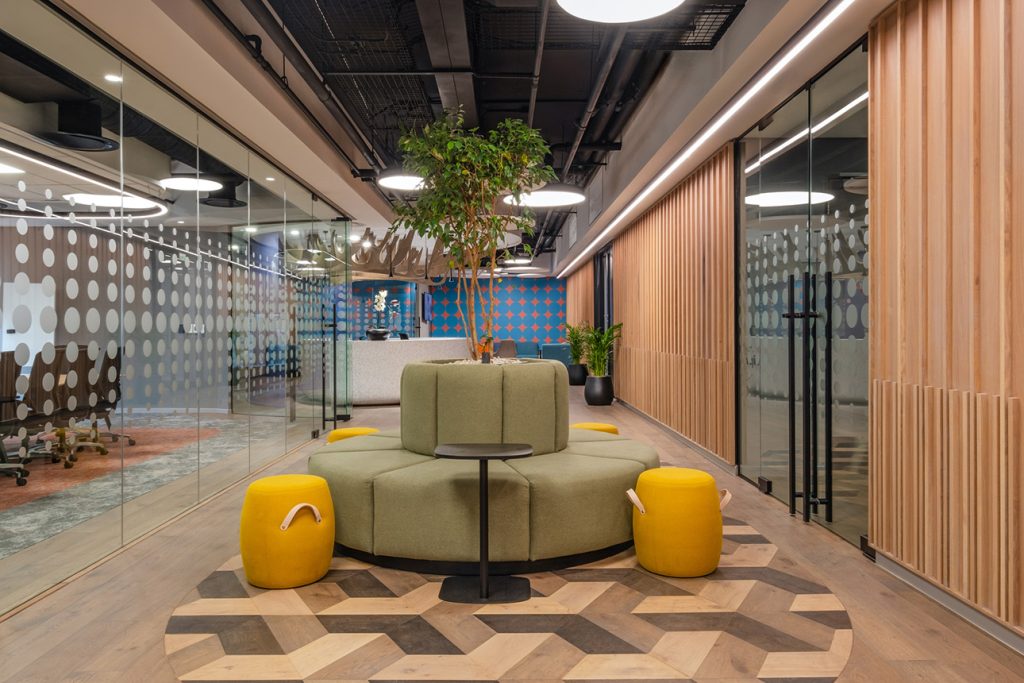
The evolution of workspace design suggests that flexibility is key. Modern offices that embrace collaborative spaces provide employees with areas for teamwork and brainstorming while also allowing for quiet zones dedicated to focused work. Striking the right balance ensures that team members can enjoy social interaction without distraction from their individual tasks.
For example, tech giants like Google and Facebook have increasingly adopted open-plan designs in collaboration with private nooks. This model promotes conversation and creativity without sacrificing the need for concentration. A study published in the “Journal of Environmental Psychology” indicates that employees in open spaces exhibit a 15% increase in collaborative work but also require access to quieter spaces to maintain productivity levels. Organizations that focus on creating both collaborative and personal spaces may discover a higher overall satisfaction and efficiency among employees.
Mindfulness and Space Design
Incorporating elements of mindfulness into workspace design can also enhance mental clarity and emotional balance. This principle includes simplicity, minimalism, and the reduction of clutter, all aimed at fostering an environment that encourages focus. Mindfulness-based approaches, like the “Zen workspace,” often feature neutral color palettes, natural materials, and a focus on lighting that mimics natural daylight, thereby reducing mental fatigue and improving mood.
Research by the University of Southern California found that environments designed with mindfulness in mind can boost creativity and problem-solving ability, with participants reporting less anxiety and greater mental agility. This makes a compelling case for businesses and individuals alike to consider not just functionality, but the psychological implications of their spaces in today’s world.
Ultimately, as we delve deeper into the psychology of space efficiency, it becomes clear that our environments profoundly affect not only our productivity but also our overall mental and emotional well-being. By integrating ergonomics, collaboration, and mindfulness in design, we can create spaces that are not only efficient but also advocates for our health and happiness.
Final Thoughts on Space Efficiency
In a world where the lines between work and personal life are increasingly blurred, the psychology of space efficiency emerges as a critical factor to enhance both productivity and well-being. As our environments shape our behaviors and mental states, the incorporation of ergonomic designs, collaborative hubs, and elements of mindfulness can significantly transform our experiences within those spaces. The benefits extend beyond the mere functionality of an office; they foster a culture of health and happiness, which is essential for sustainable productivity.
Investments in ergonomic furniture, flexible work areas, and mindful aesthetics can create a sanctuary that not only facilitates work but also enhances overall mental clarity and resilience. While companies like Google and Facebook exemplify the importance of designing versatile spaces, individuals too can take cues from these principles to cultivate their own environments—whether at home or at work—that promote comfort and motivation.
Furthermore, the integration of these elements is supported by a growing body of research that highlights the effects of environmental factors on performance and well-being. As we continue to explore these connections, a key takeaway is the need for ongoing adaptation and personal awareness regarding how we curate our spaces. Thus, approaching space with intention can yield remarkable dividends, allowing us to not only work more efficiently but also thrive in our everyday lives.
In conclusion, embracing the psychology of space efficiency is not merely about optimizing environments for productivity; it is about harmonizing our surroundings with our innate needs for comfort, creativity, and collaboration. As you reevaluate your space, consider how these principles can be applied to enhance both your professional output and personal happiness.

Linda Carter is a writer and organization expert specializing in minimalism and personal organization. With extensive experience helping individuals create clutter-free, functional spaces and adopt mindful habits, Linda shares her knowledge on our platform. Her goal is to empower readers with practical advice and strategies to simplify their lives, stay organized, and achieve a sense of calm and balance in their daily routines.