The Psychology of Clutter: Understanding the Connection Between Clutter and Our Daily Habits

The Connection Between Clutter and Mental Well-Being
Clutter significantly impacts our mental health and productivity, often manifesting as stress and anxiety. Research suggests that our environments reflect our mental state; when we are overwhelmed mentally, our spaces often mimic this chaos, leading to a negative feedback loop that influences our daily lives.
Emotional Effects of Clutter
One of the primary issues with clutter is its ability to evoke feelings of overwhelm. When surrounded by disorder, individuals may experience heightened anxiety, which can impede their decision-making abilities. This sensation can be particularly potent in work environments. For example, a report from the National Association of Professional Organizers revealed that 75% of people felt overwhelmed by clutter in their homes. This overwhelming feeling can lead to procrastination, adversely affecting personal and professional responsibilities.
Distraction in Daily Life
A cluttered environment can act as a significant distraction, pulling focus from essential tasks. Studies have shown that students in organized spaces tend to perform better academically than those in disorganized classrooms; a similar correlation can be found in workplaces. In a corporate setting, the ability to concentrate diminishes with an increase in visual distractions. Imagine trying to draft an important report while surrounded by stacks of unfiled papers, unwashed dishes, or unmade beds—all signals that scream for attention.
The Battle with Emotional Attachment
Many individuals find it challenging to part with items due to emotional attachment. The inclination to hold onto possessions, even those that no longer serve a purpose, can lead to an accumulation of clutter. Consider the example of inherited items; while they may carry sentimental value, an overabundance can clutter space and mental clarity. This emotional struggle can hinder one’s ability to declutter, as memories become intertwined with physical objects.
Psychological Implications of Clutter
Research indicates a clear connection between clutter and psychological states. Indications of stress often correlate with disorganized spaces, reflecting the chaos within. Additionally, busy lifestyles—common in a fast-paced society like the United States—often lead to neglecting organization. When people are consumed by their hectic schedules, maintaining order in their physical surroundings may feel like an unattainable luxury.
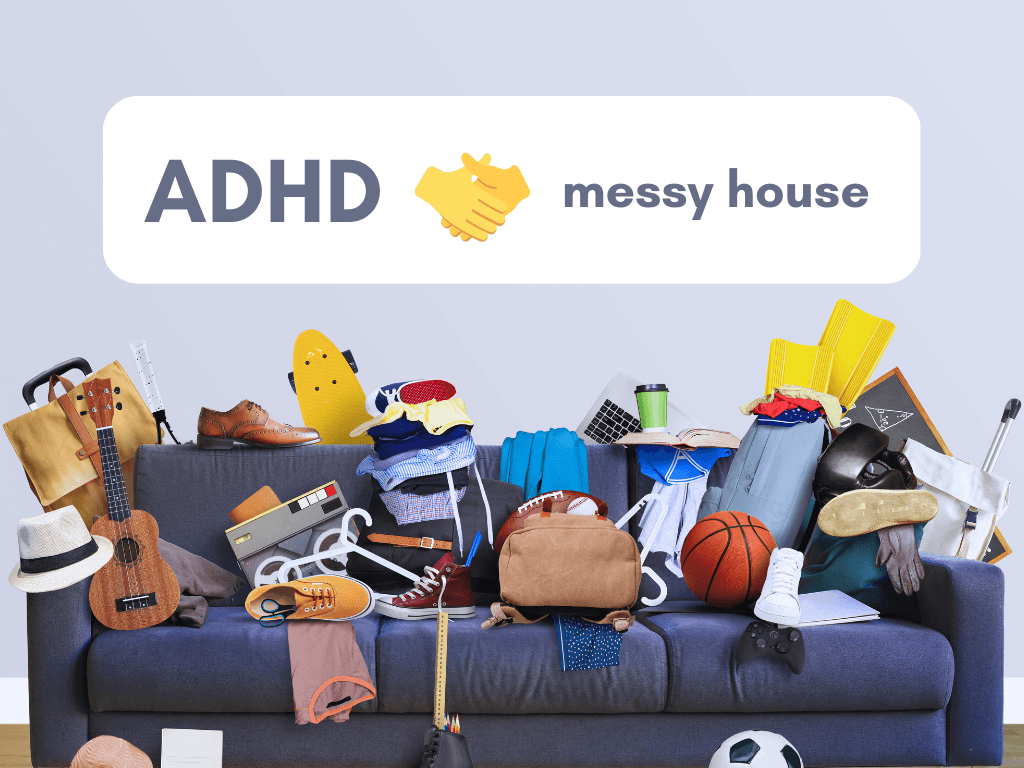
Moreover, clutter often symbolizes a lack of perceived control in one’s life. An individual struggling with chaos in their living space may also be experiencing feelings of powerlessness in other areas. Understanding this psychological connection is paramount for anyone seeking to improve their mental well-being.
By taking a closer look at our habits and our relationships with the items around us, we can begin to recognize how clutter affects our overall well-being. This exploration offers the chance not only for decluttering our physical spaces but also for understanding ourselves better, leading to healthier emotional practices and improved mental clarity.
Unpacking the Roots of Clutter
Understanding the psychology behind clutter requires examining not only its effects but also the behaviors and habits that contribute to its accumulation. Our day-to-day interactions with our belongings often reveal intricate patterns linked to our emotional and psychological states. By exploring these underlying behaviors, we can gain valuable insights into the persistent issue of clutter.
The Habitual Nature of Accumulation
One of the most significant factors in clutter accumulation is the human tendency to form habits. Many individuals engage in routines driven by convenience rather than intention. For instance, instead of putting items back in their designated places or taking a moment to sort through mail as it arrives, people often toss things aside, leading to disorganized spaces. Over time, these small choices compound, transforming into significant clutter.
Environmental Triggers
Our environments are rife with stimuli that can trigger clutter accumulation. Certain spaces in our homes or workplaces may inadvertently encourage disorganization. For example, an overflowing closet or an unorganized workspace filled with miscellaneous items not only invites chaos but also serves as a constant reminder of unfinished tasks or decisions yet to be made. This can lead to a compounding effect, where individuals retreat further into disarray, feeling paralyzed by their surroundings.
Immediate Gratification Over Long-Term Value
In today’s fast-paced society, there’s a continual push towards instant gratification. This mindset can significantly impact clutter behavior. Many individuals fall into the trap of acquiring new items in the moment, driven by desire or impulse, without considering their long-term utility. This external pressure plays a massive role in increasing clutter levels. To illustrate this, consider the following common habits that often lead to excessive accumulation:
- Shopping sprees: Retail therapy can provide a temporary euphoric feeling, often leading to whimsical purchases that become unnecessary clutter.
- Gifting without thought: Receiving gifts can lead to keeping items out of obligation rather than genuine need or desire.
- Hoarding “just in case”: The fear of running out or future utility leads people to hold onto items they may never use again.
These behaviors highlight how our quest for satisfaction can lead to a cluttered lifestyle, reflecting underlying psychological desires that need exploration. Understanding these roots is essential for anyone looking to regain control over their environment and mental space.
Breaking the Cycle of Clutter
The journey toward decluttering begins with self-awareness. Identifying the habits that contribute to clutter accumulation is the first step to establishing healthier practices. By acknowledging the emotional triggers and environmental influences at play, individuals can work to develop new routines that prioritize organization and intentionality over impulsive decisions.
Exploring these connections between clutter and daily habits not only fosters a clearer living space but also opens the door for transformative personal growth. As we delve deeper into understanding our relationship with clutter, we may discover that the path to a more organized life is fundamentally intertwined with our emotional and psychological well-being.
The Impact of Clutter on Mental Well-Being
Clutter often extends beyond mere physical space; it can significantly affect our mental health and daily productivity. Research has shown that a cluttered environment can lead to increased levels of anxiety and stress, making it difficult for individuals to focus on tasks at hand. This overwhelming sensation can drain cognitive resources, leading to feelings of helplessness and decreased motivation.
Understanding Daily Habits
When clutter takes over our home or workspace, it serves as a constant reminder of unfinished tasks and responsibilities. This sensation of being surrounded by disorder can lead to a reactive rather than proactive approach to our daily tasks. Instead of feeling in control, individuals may find themselves engaging in avoidance behaviors, further perpetuating the cycle of procrastination and clutter accumulation.
Clutter and Decision Fatigue
Moreover, clutter contributes significantly to decision fatigue. The human brain can only handle so much information processing at one time. When surrounded by disorganization, we are often required to make countless insignificant decisions throughout the day, gradually exhausting our mental energy. It can be as simple as choosing which items to use or which tasks to prioritize, which can lead to paralysis in our decision-making processes.
| Category | Advantages |
|---|---|
| Mental Clarity | A decluttered space promotes focus and enhances decision-making. |
| Stress Reduction | Less visual clutter leads to lower anxiety levels and improved mood. |
| Increased Productivity | An organized environment enhances efficiency in completing tasks. |
Understanding the psychological impact of clutter reveals critical insights into how it shapes our habits and lifestyle choices. By addressing the clutter in our lives, we not only boost our physical spaces but also improve our mental landscape, enhancing overall life satisfaction.
Understanding the Emotional Burden of Clutter
The relationship between clutter and emotional well-being is profound and complex. Many individuals are unaware of how their surroundings can influence their mental health. Clutter often serves as a physical manifestation of emotional baggage, resulting in increased stress and anxiety levels. The concept of emotional attachment to belongings plays a significant role in this connection.
The Weight of Nostalgia
One of the strongest emotional ties people have toward their possessions stems from nostalgia. Objects that remind us of past relationships or cherished moments can create a reluctance to let them go. This phenomenon is particularly prevalent in the United States, where sentimental items like old toys, photographs, or inherited family heirlooms can pile up over time. According to a recent survey, nearly 60% of individuals admitted that their emotional attachment to items is a significant barrier to decluttering. This attachment can create cognitive dissonance; one struggles between the desire for a more organized space and the emotional weight of what those items represent.
The Impact of Perfectionism
Another psychological factor influencing clutter is the drive for perfectionism. Many individuals hold high expectations for their personal spaces, leading to a paralyzing fear of not achieving perfection. As a result, they may avoid organizing altogether, causing items to accumulate instead of managing them effectively. This tendency can manifest in various ways, such as procrastinating on cleaning tasks or feeling overwhelmed by the prospect of decluttering. Research shows that perfectionists often experience heightened levels of anxiety and frustration, further complicating their relationship with physical clutter.
Identity and Self-Perception
The items we choose to keep can also be extensions of our identity. In a culture that highly values consumerism, the possessions we accumulate are often viewed as indicators of status or success. This can create a cycle where individuals feel pressured to collect more items to reflect their self-worth. The danger lies in equating our personal value with material possessions. The implication of this is profound, as it often leads to continuous accumulation rather than conscious curation of belongings.
Clutter and Decision Fatigue
The clutter we maintain also contributes to what psychologists call decision fatigue, where the sheer volume of items requires mental energy and resources to manage effectively. When faced with a cluttered environment, we may experience difficulty focusing on essential tasks or making decisions, contributing to a sense of overwhelm. A study from Princeton University revealed that clutter can hinder our brain’s ability to process information efficiently, leading to lower productivity and increased frustration.
- Mindfulness Practices: Incorporating mindfulness can help individuals become more aware of their relationship with their belongings, learning to let go of items that no longer serve a purpose.
- Accountability Partners: Working with someone else can create a support system while decluttering, helping to ease the emotional burden.
- Setting Small Goals: Breaking down the decluttering process into manageable tasks can reduce anxiety and foster a sense of achievement.
Understanding these psychological connections can empower individuals to address their clutter challenges holistically. By examining the emotional nuances surrounding possessions and their impact on daily habits, we can pave the way towards a less cluttered, more fulfilling life.
Conclusion
As we’ve explored, the connection between clutter and our daily habits is both intricate and revealing. Clutter is not merely an inconvenience; it embodies emotional struggles, societal pressures, and a profound impact on our mental health. The emotional burden of items rooted in nostalgia suggests that our possessions often exceed their tangible value, complicating our decision-making processes. Furthermore, perfectionism and the need for validation through material goods transform our living spaces into battlegrounds of personal identity. Understanding these psychological factors is essential for anyone seeking to reclaim control over their space and, by extension, their mental well-being.
In light of this exploration, embracing conscious decluttering strategies becomes imperative. Techniques such as mindfulness practices, enlisting accountability partners, and setting small goals enable individuals to navigate their relationship with clutter holistically. By fostering awareness and promoting positive habits, we can diminish the adverse emotional and psychological effects of clutter, paving the way for a cleaner environment that nurtures productivity and serenity.
Ultimately, untangling ourselves from the web of clutter is indicative of a larger shift towards greater self-awareness and intentional living. As we move forward, let us encourage ourselves and others to critically assess the attachments we form with our belongings, thus transforming not just our spaces, but our lives. Uncluttering is not simply a physical act—it is a journey towards mental clarity and emotional freedom.

Linda Carter is a writer and organization expert specializing in minimalism and personal organization. With extensive experience helping individuals create clutter-free, functional spaces and adopt mindful habits, Linda shares her knowledge on our platform. Her goal is to empower readers with practical advice and strategies to simplify their lives, stay organized, and achieve a sense of calm and balance in their daily routines.